Chronic fatigue and lethargy might stem from an overworked liver. Discover essential nutrients and dietary management tips to boost your liver health and reclaim your vitality. Make small daily changes for a healthier liver.

Your Body's Whisper: The Shadow of Chronic Fatigue and Lethargy
Do you often wake up feeling exhausted, even after a full night's sleep? Does your body feel heavy and sluggish, with a dull complexion and a tendency to snap easily? Many modern individuals experience these symptoms daily. While it's easy to blame lack of sleep or stress, these could actually be warning signs from your overworked liver. Your liver is a tireless organ, performing countless metabolic activities and detoxifying your body, silently supporting your overall health. When its function is compromised, it can impact your entire system, diminishing your quality of life. It’s time to pay attention to these signals and start nurturing your liver health today.
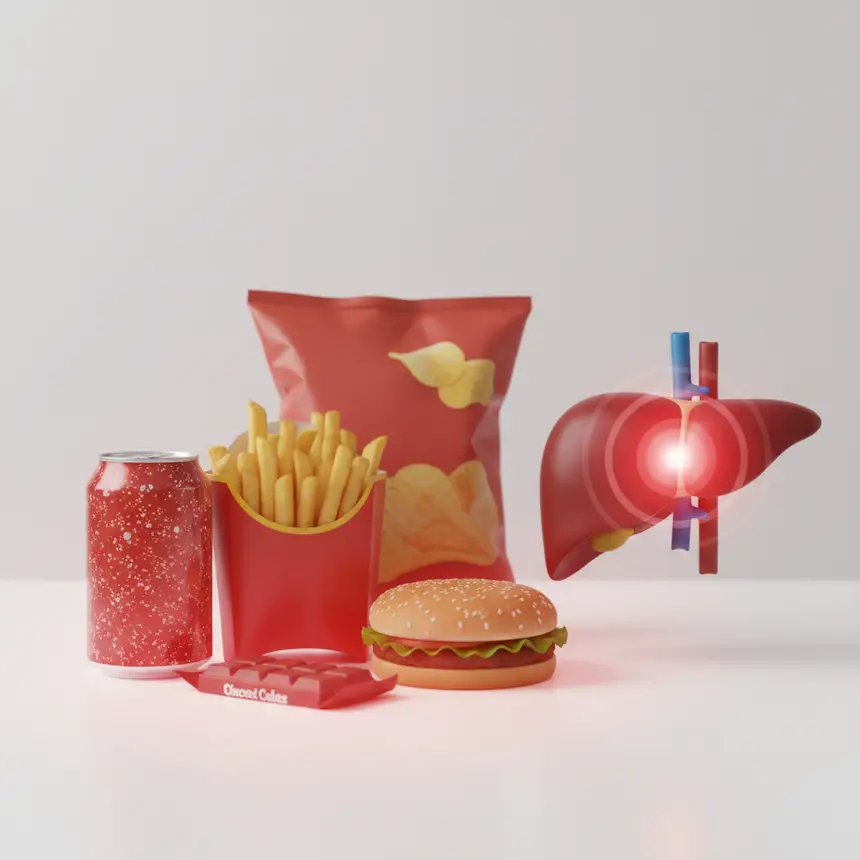
Modern Threats to Your Liver's Well-being
As your body's primary defense, the liver performs over 500 complex functions, including detoxifying harmful substances, metabolizing nutrients, and producing bile. However, our modern lifestyles often expose the liver to overwhelming challenges. Food additives in processed items, excessive sugar, irregular eating habits, alcohol consumption, and chronic stress all place a continuous burden on this vital organ. Furthermore, the accumulation of fat in the liver, known as fatty liver, often goes unnoticed in its early stages due to a lack of clear symptoms. If left unaddressed, it can become a major cause of liver dysfunction. The liver is often called the 'silent organ' because it rarely signals distress until significant damage has occurred, making proactive care essential. Recognizing these threats is the first step towards restoring your liver's vitality.
※ This post contains affiliate links. I may earn a commission at no extra cost to you.

Nature's Gifts for Liver Vitality: Key Ingredients
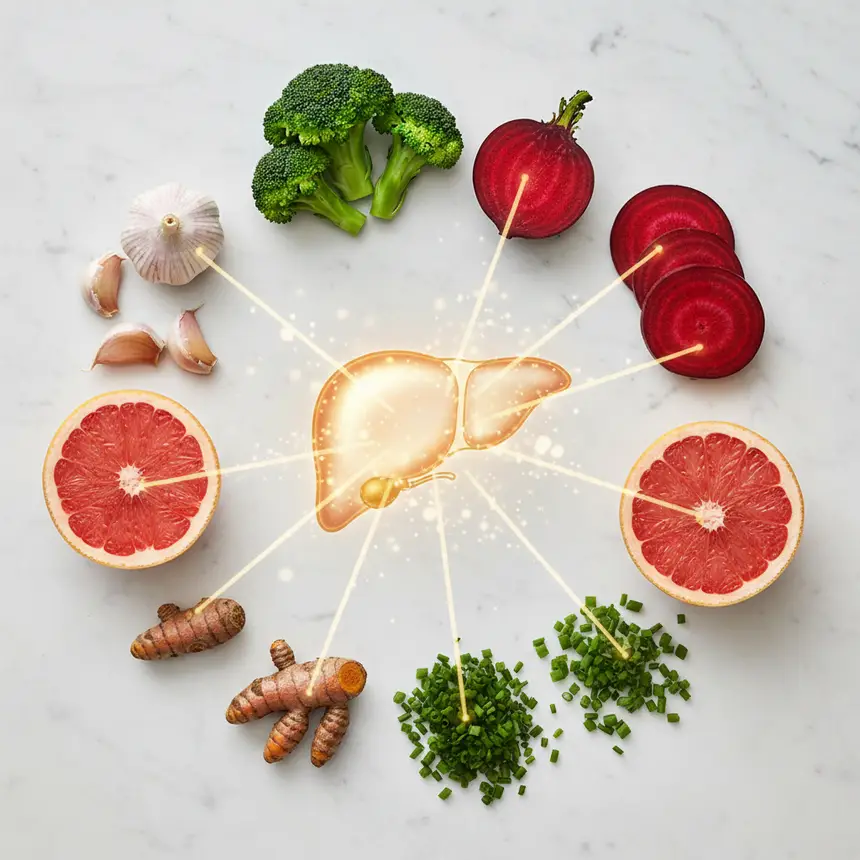
One of the most effective ways to rejuvenate a tired liver is through dietary adjustments. Certain natural ingredients, rich in specific compounds, can significantly aid the liver's detoxification processes and protect its cells.
- Sulfur-Rich Vegetables: Ingredients like garlic, onions, and cruciferous vegetables such as broccoli contain sulfur compounds that boost the liver's detox enzyme activity, helping to flush out toxins from the body—much like cleaning a water filter.
- Red Root Vegetables: Beets, with their vibrant red color, are packed with antioxidants like betaine, which can assist in liver cell regeneration and help reduce inflammatory responses.
- Spices: Curcumin, the active compound in turmeric (a staple in curries), offers powerful antioxidant and anti-inflammatory benefits that support liver protection. It also promotes bile production, aiding fat digestion and reducing liver strain.
- Citrus Fruits: Grapefruits contain flavonoids like naringenin, which have positive effects on protecting liver cells and inhibiting fat accumulation.
- Leafy Greens: Greens like chives are rich in vitamins and minerals that improve blood circulation and ensure the liver receives essential nutrients.
- Everyday Beverages: Surprisingly, consuming 2-3 cups of black coffee daily has been linked in studies to reduced liver inflammation and slowed progression of fibrosis.
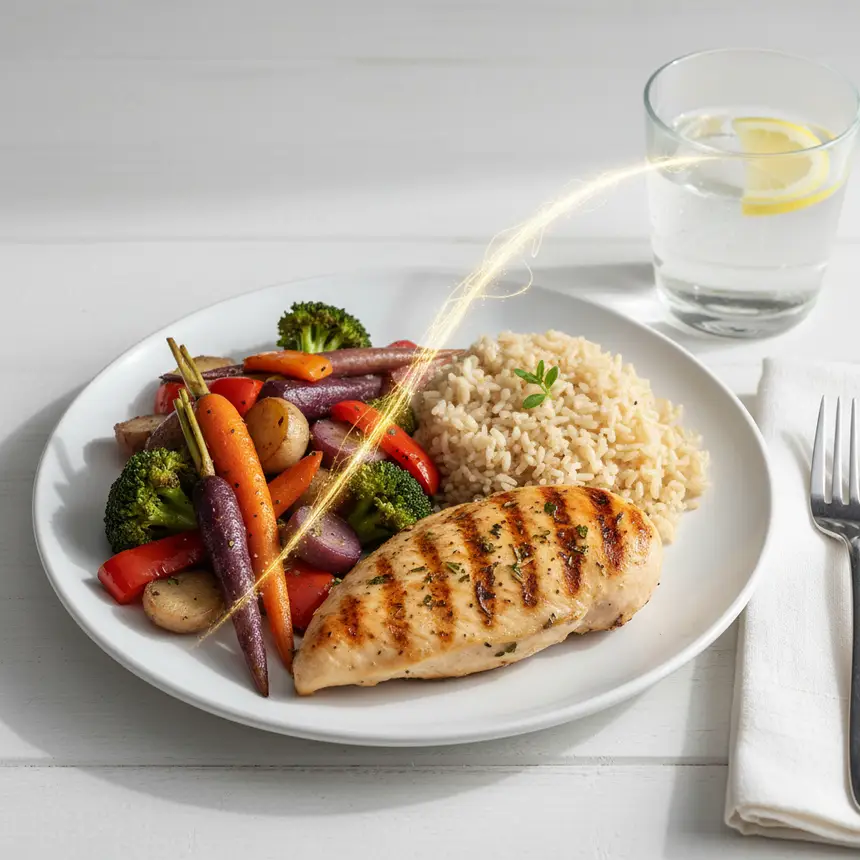
Putting Liver-Friendly Eating into Practice: Small Lifestyle Shifts
Transforming your diet for better liver health doesn't require drastic measures. The key is to start with small, manageable changes in your daily routine.
1. Fill Your Plate with Whole Foods: Prioritize whole grains, fresh vegetables, fruits, and lean proteins over processed foods. Think of it as fueling your body with clean energy, similar to putting the right fuel in a car.
2. Increase Daily Vegetable Intake: Aim to consume a variety of colorful vegetables with every meal. Enjoy them in salads, stir-fries, or vegetable smoothies.
3. Stay Hydrated: Drink at least eight glasses of water daily to support metabolism and aid the liver's detoxification processes. Avoid sugary drinks, which can burden the liver.
4. Choose Healthy Fats: Incorporate unsaturated fats found in olive oil, avocados, and nuts, while reducing your intake of trans and saturated fats.
5. Maintain Balanced Meals and Regular Habits: Avoid overeating, stick to regular meal times, and combine sufficient sleep with moderate exercise for optimal liver health. For instance, simply adding a serving of broccoli to your dinner each night or starting your day with a glass of warm water can make a significant difference.
1. Fill Your Plate with Whole Foods: Prioritize whole grains, fresh vegetables, fruits, and lean proteins over processed foods. Think of it as fueling your body with clean energy, similar to putting the right fuel in a car.
2. Increase Daily Vegetable Intake: Aim to consume a variety of colorful vegetables with every meal. Enjoy them in salads, stir-fries, or vegetable smoothies.
3. Stay Hydrated: Drink at least eight glasses of water daily to support metabolism and aid the liver's detoxification processes. Avoid sugary drinks, which can burden the liver.
4. Choose Healthy Fats: Incorporate unsaturated fats found in olive oil, avocados, and nuts, while reducing your intake of trans and saturated fats.
5. Maintain Balanced Meals and Regular Habits: Avoid overeating, stick to regular meal times, and combine sufficient sleep with moderate exercise for optimal liver health. For instance, simply adding a serving of broccoli to your dinner each night or starting your day with a glass of warm water can make a significant difference.

Liver Health: An Investment in Your Vibrant Tomorrow
If chronic fatigue and lethargy are weighing you down, it's time to turn your attention to your liver, the silent workhorse of your body. Liver health doesn't deteriorate or improve overnight; it requires consistent care and effort. Start by actively incorporating the liver-friendly foods discussed today into your diet and making small changes like reducing processed food intake. It might seem challenging at first, but with time, you'll begin to feel lighter, more energetic, and experience a noticeable boost in your overall vitality. Your liver will remember your efforts and reward you with a healthier future. Take the first step towards better liver health today. Here's to your vibrant tomorrow!
Frequently Asked Questions
Q. What are the most important nutrients for liver health?
A. It's difficult to pinpoint just one nutrient for liver health. Proteins are essential for liver cell regeneration, while B vitamins and antioxidant vitamins (C, E) contribute to detoxification and damage prevention. Minerals like selenium also play crucial roles. The key is to consume a balanced intake of these nutrients.
Q. What foods or habits should I avoid for liver health?
A. For optimal liver health, you should limit processed foods, sugary drinks high in added sugars and high-fructose corn syrup, and foods rich in trans fats. Excessive alcohol consumption places a significant burden on the liver and should be moderated. Irregular eating habits and insufficient sleep can also negatively impact liver function.
Q. Is a vegetarian diet better for liver health?
A. A plant-based diet, typically rich in fiber, vitamins, and minerals, and lower in saturated fats, can positively impact liver health. However, balanced nutrition is crucial, so it's important to ensure adequate intake of potentially lacking nutrients like protein and essential amino acids.
Q. Is it true that coffee is good for liver health?
A. Yes, several studies suggest that consuming about 2-3 cups of black coffee daily can help reduce liver inflammation and improve liver health markers. The antioxidants in coffee are believed to contribute to these positive effects. However, coffee with added sugar or cream can actually stress the liver, so plain black coffee is recommended.
Q. Does exercise help in managing liver health?
A. Absolutely. Regular physical activity aids in weight management, improves insulin sensitivity, and helps reduce fat accumulation in the liver, all of which positively impact liver health. Combining aerobic exercises like walking, jogging, or swimming with strength training is beneficial.