Many people consume gut-friendly foods yet still suffer from digestive discomfort. True gut health extends beyond food choices. Discover how improving lifestyle habits and leveraging specific nutrients can help you reclaim a healthy gut.

Still Experiencing Gut Discomfort Despite Your Best Efforts?
It's a common story: a significant number of adults in the U.S. regularly report digestive complaints like bloating, gas, and irregular bowel movements. Many diligently incorporate gut-friendly foods such as yogurt, fermented vegetables, and fiber-rich produce into their diets, yet true relief remains elusive. This suggests that achieving gut health is far more complex than just making good food choices. The root cause often lies in an imbalance within the gut microbiome, an imbalance that can be worsened by various lifestyle factors like stress, lack of sleep, and insufficient physical activity, not just diet alone. Even with a seemingly healthy diet, if the delicate ecosystem inside your gut is disrupted, discomfort can persist.

Comprehensive Strategies for Optimizing Your Gut Environment
To truly reclaim comfortable gut health, a multi-faceted approach beyond just 'good foods' is essential.
1. Build Gut-Protective Daily Habits
2. Support Your Gut Flora Beyond Basic Diet
3. Leverage Synergistic Nutrients for Gut Health
To bridge potential nutritional gaps from diet alone, consider specific nutrient combinations:
1. Build Gut-Protective Daily Habits
- Stay Hydrated: Aim to drink at least 8 glasses (around 2 liters) of plain water daily. Remember, coffee, tea, and sugary drinks do not count towards this goal.
- Mindful Eating: Even when busy, try to dedicate at least 15-20 minutes to each meal. Eating slowly and chewing thoroughly significantly reduces digestive strain and helps prevent gas.
- Strategic Meal Planning: If you anticipate heavy meals or dining out, consider having light, easily digestible options like broth or plain soup before and after to give your gut a break.
2. Support Your Gut Flora Beyond Basic Diet
- Prebiotic-Rich Foods: Incorporate foods like bananas, onions, garlic, asparagus, and oats, which act as fuel for your beneficial gut bacteria.
- Probiotic Sources: Regularly consume fermented foods such as yogurt, sauerkraut, kimchi, and kefir to directly replenish beneficial microbes in your gut.
- Minimize Irritants: Reducing your intake of highly processed foods, excessive fats, added sugars, and alcohol is crucial, as these can promote the growth of harmful bacteria and irritate the gut lining.
3. Leverage Synergistic Nutrients for Gut Health
To bridge potential nutritional gaps from diet alone, consider specific nutrient combinations:
- Targeted Botanical Extracts: Ingredients like licorice root extract can help soothe and protect the gut lining while assisting in maintaining a balanced microbial environment.
- Specific Probiotic Blends: Look for supplements containing a diverse range of bacterial strains and a substantial CFU count (e.g., billions of CFUs) to effectively support and diversify your gut microbiome.
- Essential Micronutrients: Minerals such as zinc (around 8.5mg recommended) are vital for maintaining the integrity of the gut barrier and supporting the immune system within the digestive tract. These components often work more effectively in combination, providing a synergistic benefit to overall gut health.
※ This post contains affiliate links. I may earn a commission at no extra cost to you.

The Power of Consistency in Your Gut Wellness Journey
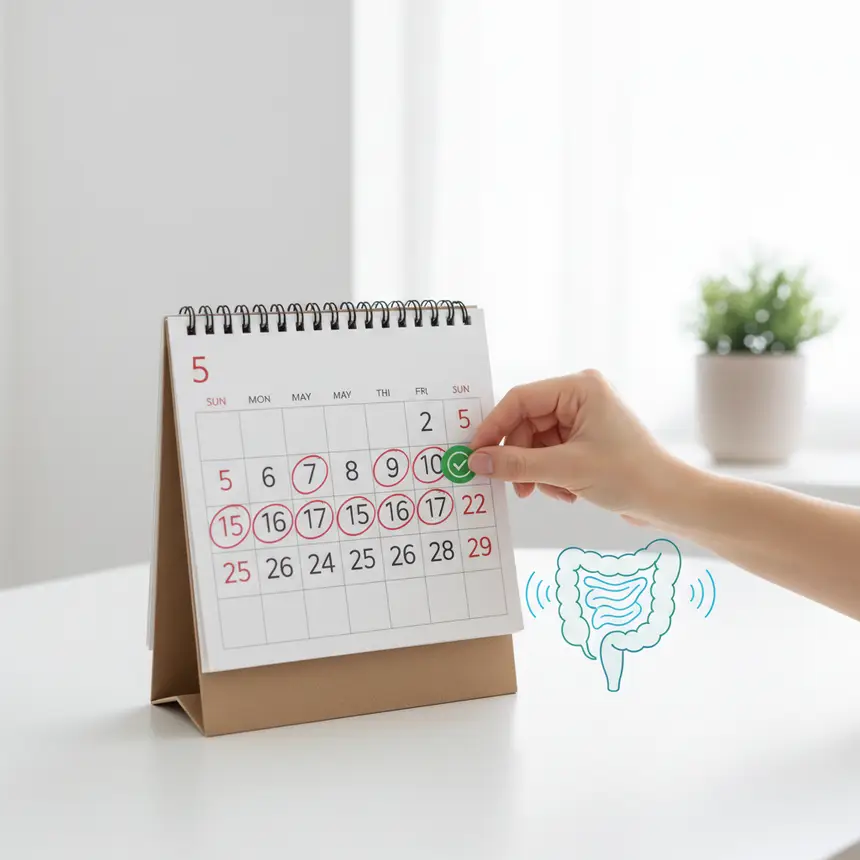
The path to better gut health is a marathon, not a sprint. Many busy individuals can relate to the struggle: 'I eat yogurt every morning, but after a stressful day or a social dinner, my stomach still feels off.' The key here isn't perfection, but rather 'balance' and 'consistency.' Even the most gut-friendly diet will have limited impact if lifestyle factors like chronic stress, poor sleep, and irregular routines aren't addressed. Conversely, making small, consistent changes, even amidst a busy schedule, can lead to significant improvements. Simple actions like drinking an extra glass of water, taking a few deep breaths before meals, or consistently taking targeted gut-supportive nutrients can accumulate. With consistent effort, many people begin to notice positive changes within 2-3 months, such as more regular bowel movements, reduced bloating, and an overall improvement in their digestive comfort. Start with one small change today; your gut will acknowledge your sustained efforts and reward you with greater comfort and well-being.
Frequently Asked Questions
Q. Why do I still experience digestive issues even when eating gut-friendly foods?
A. Gut health is influenced by more than just your food choices; factors like eating speed, stress levels, sleep quality, and hydration play significant roles. It's not just about adding beneficial bacteria, but also inhibiting harmful ones, protecting the gut lining, and improving gut motility through a holistic approach.
Q. What are some effective tips for managing gut health with a busy lifestyle?
A. Small habits can make a big difference: drink a glass of warm water before meals, consciously slow down your eating to at least 15 minutes, and opt for lighter, easily digestible meals after stressful events or heavy outings. Considering targeted nutritional support can also be beneficial.
Q. Are there specific nutrient combinations that can help improve gut health?
A. Yes, combinations that include botanical extracts (like licorice root) for gut lining protection, diverse strains of probiotics (e.g., billions of CFUs) for beneficial bacteria balance, and essential trace minerals (like zinc at 8.5mg) for gut immune function can create a synergistic effect for improving the gut environment.
Q. How long does it typically take to see improvements in gut health?
A. While individual results vary, with consistent effort and management, many people start noticing positive changes—such as more stable bowel patterns or reduced post-meal discomfort—after about 2 to 3 months. Gut health doesn't improve overnight, so consistency is paramount.