As we age, declining liver function can significantly impact daily life. From fatigue recovery to digestion improvement, discover essential nutrients and lifestyle habits for liver health and how to regain vitality.

The Subtle Shifts: Is Your Liver Sending You Signals?
Remember those days when you could pull an all-nighter and still bounce back the next morning, or enjoy any meal without a second thought? Yet, lately, you might find yourself constantly dragging, feeling heavy even after a full night's sleep. Perhaps fatty foods leave you with a sluggish feeling, or that glass of wine hits harder than it used to. These subtle changes, especially as you hit your 40s, can be perplexing. Persistent fatigue, an unexplained discomfort in your side, or hangovers that seem to linger indefinitely aren't just signs of aging. They could be your liver, the body's silent workhorse, signaling a decline in its function. Often, the liver doesn't cry for help until significant damage has occurred. It's time to pay attention to these whispers and check in on this vital organ that filters and processes so much for us.
Why Prioritizing Liver Health is Non-Negotiable
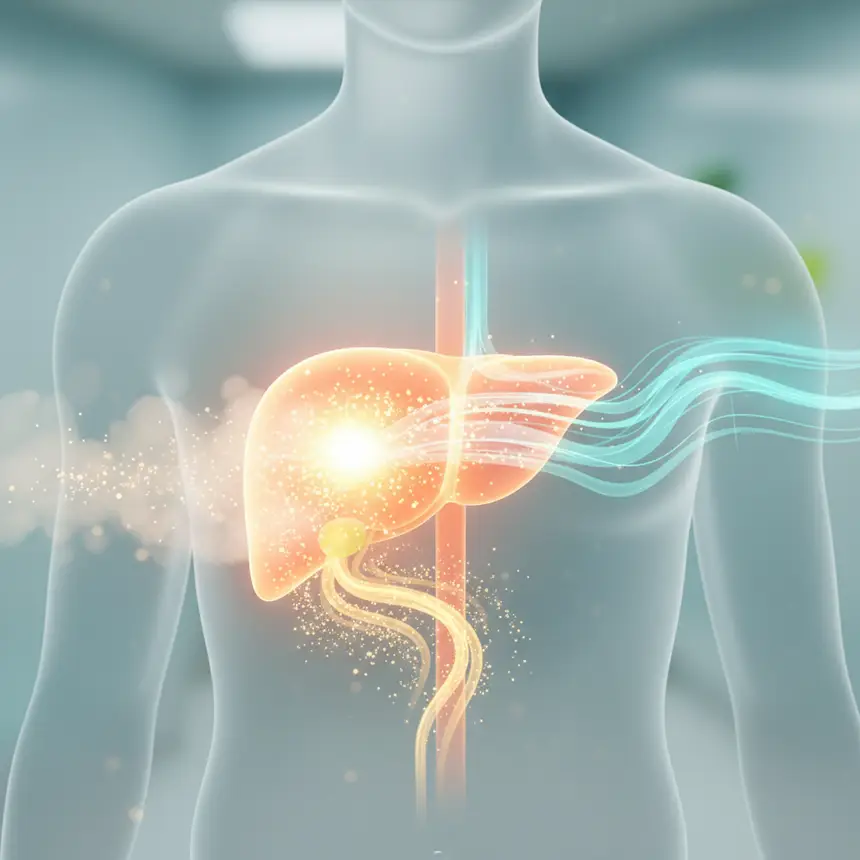
Your liver is a true multi-tasker, performing over 500 critical functions, including detoxification, nutrient metabolism, and bile production. When liver function wanes, this intricate system can falter, impacting your entire body. For instance, a weakened detox system means toxins can accumulate, leading to persistent fatigue. If bile production is hampered, digesting fats becomes a struggle. An imbalance in energy metabolism can leave you feeling constantly drained. Liver health is also deeply tied to your immune system; a compromised liver can weaken your body's defenses against external threats. So, don't dismiss declining liver function as mere tiredness. Proactive management is essential for maintaining your body's overall balance. Since liver damage can be challenging to reverse, early attention and care are paramount.
※ This post contains affiliate links. I may earn a commission at no extra cost to you.


Everyday Nutritional Habits for a Vibrant Liver
Safeguarding your liver hinges on smart nutrition and healthy lifestyle choices. If you're experiencing signs of liver function decline, focusing on specific nutrients that support liver recovery and reduce its burden is key. For example, amino acid complexes or sulfur-containing amino acids are vital for detoxification pathways, helping to neutralize harmful substances. Powerful antioxidants like curcumin, a plant compound, can protect liver cells and modulate inflammatory responses. B vitamins, antioxidant vitamins (C, E), and various minerals are also crucial for liver energy metabolism and protective functions. Ideally, you'd get these from a balanced diet rich in fresh vegetables, fruits, whole grains, and lean proteins. However, if dietary intake isn't sufficient, quality nutritional supplements can bridge the gap. When choosing supplements, look for pure ingredients without unnecessary additives and ensure adequate nutrient dosages. Pair a balanced diet with regular exercise, sufficient hydration, and stress management for the most effective liver health support.

It's Never Too Late: Your Journey to Liver Wellness Starts Now
Your liver diligently supports your health, often without a word of complaint. If you've overlooked its hard work, now is the perfect time to start actively protecting and nurturing it. Recognizing the signs of liver function decline and embarking on proper nutritional management and lifestyle improvements is one of the smartest investments you can make for your future health. Consistency is key, even if immediate changes aren't apparent. Small daily habits—maintaining a healthy diet, incorporating light exercise, managing stress—will collectively strengthen your liver and help restore your overall vitality. A healthy liver directly translates to a more energetic and vibrant daily life. Take that first step today: give your liver the attention it deserves, revitalize it, and reclaim your brighter, more active days.
Frequently Asked Questions
Q. What are the common symptoms of declining liver function?
A. Common symptoms include chronic fatigue, indigestion (especially after fatty meals), itchy skin, general malaise due to persistent tiredness, discomfort in the upper right abdomen, and changes in urine color. Early signs can be vague and often mistaken for simple fatigue.
Q. Which key nutrients are beneficial for liver health?
A. Nutrients beneficial for liver health include silymarin, curcumin, glutathione precursors, and sulfur-containing amino acids (L-cysteine, methionine) which aid detoxification. B vitamins support liver metabolism, while antioxidants like vitamins C, E, and selenium also play crucial roles.
Q. Besides supplements, what lifestyle habits can support liver health?
A. Beyond supplements, a balanced diet (rich in fresh vegetables, fruits, whole grains), regular aerobic exercise, adequate hydration, moderating alcohol intake, and managing stress are all vital for liver health. Reducing processed foods and sugar consumption also helps.
Q. What important considerations should be kept in mind for liver health management?
A. Liver health management requires a consistent, long-term approach. It's crucial to focus on overall lifestyle improvements rather than relying solely on specific nutrients or foods. Regular health check-ups and consulting with a healthcare professional are essential to accurately assess your liver's condition and manage it effectively.