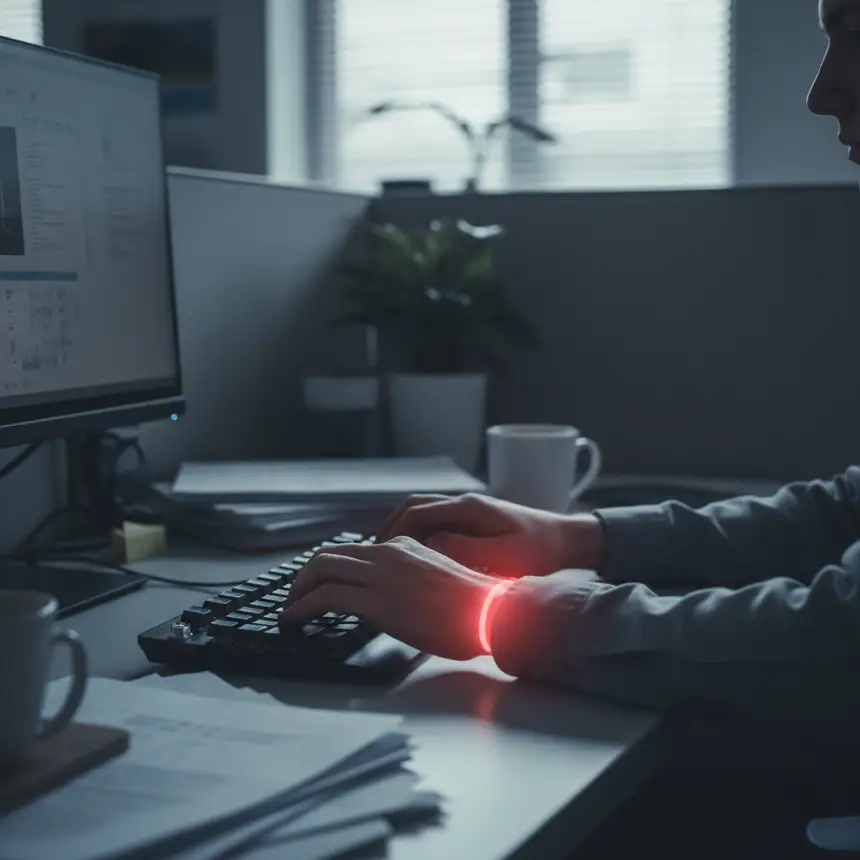
Discover effective strategies to improve your sleep quality. Learn practical ways to reclaim restful nights and boost your daytime energy through small, consistent lifestyle changes.

Beyond Tiredness: Recognizing the Broader Signals of Poor Sleep
In our fast-paced world, many individuals yearn for quality sleep, yet it remains elusive for a significant portion of the adult population. Statistics frequently show that chronic sleep deprivation is widespread, extending its impact far beyond just feeling groggy in the morning. Improving sleep quality isn't merely about logging more hours; it's a fundamental step towards restoring overall balance in our physical and mental well-being. When we don't get adequate rest, our daytime functions suffer, manifesting as decreased concentration, mood fluctuations, and even unexpected physical discomforts. For instance, impaired cognitive function can hinder productivity and decision-making, while heightened irritability can strain personal and professional relationships. These symptoms are clear warning signs from our bodies, and ignoring them can lead to long-term health complications. The physical repercussions of insufficient sleep can range from persistent headaches and digestive upset to skin issues, underscoring the intricate connection between sleep and nearly every system in our body. Thus, a holistic approach to sleep challenges is essential. Today, we'll explore practical strategies you can integrate into your daily life to cultivate better rest.

Daily Habits for Deep Sleep: Actionable Strategies
The journey towards improving sleep quality often begins not with complex medical interventions, but with small, consistent changes in our daily routines. A key element is regulating our body's internal clock, the circadian rhythm, and light exposure management is the first crucial step. Start your day by exposing yourself to natural sunlight to help suppress melatonin production and promote alertness. In the evening, dim your indoor lights and minimize screen time from smartphones and computers to avoid disrupting the natural melatonin synthesis that cues sleep.
Next, diet and digestive health play a direct role in how well we sleep. Aim to avoid heavy meals or spicy foods at least three hours before bedtime. Be particularly mindful of caffeine and alcohol consumption in the evening, as both can significantly degrade sleep quality. A short, gentle walk after dinner can aid digestion and help prevent blood sugar spikes, reducing nighttime discomfort.
Physical activity is also vital, but timing is everything. Regular, moderate exercise can promote better sleep if done several hours before bedtime, ideally 4-5 hours prior. However, intense workouts too close to sleep can have the opposite effect, leaving you feeling stimulated. Gentle stretching or yoga in the evening can help release muscle tension and induce a state of relaxation conducive to restful sleep.
Stress management is equally critical. Overthinking or worrying before bed keeps your brain active, making it hard to drift off. Establishing an evening routine that includes writing down your to-do list or jotting down daily concerns in a journal can help clear your mind and calm your nervous system. Incorporating relaxation techniques like diaphragmatic breathing or meditation can also help balance your autonomic nervous system. If you find yourself in bed unable to fall asleep after about 15-20 minutes, it's often more effective to get out of bed, engage in a quiet activity like reading a book or listening to calming music in another room, and return to bed only when you feel sleepy.
Next, diet and digestive health play a direct role in how well we sleep. Aim to avoid heavy meals or spicy foods at least three hours before bedtime. Be particularly mindful of caffeine and alcohol consumption in the evening, as both can significantly degrade sleep quality. A short, gentle walk after dinner can aid digestion and help prevent blood sugar spikes, reducing nighttime discomfort.
Physical activity is also vital, but timing is everything. Regular, moderate exercise can promote better sleep if done several hours before bedtime, ideally 4-5 hours prior. However, intense workouts too close to sleep can have the opposite effect, leaving you feeling stimulated. Gentle stretching or yoga in the evening can help release muscle tension and induce a state of relaxation conducive to restful sleep.
Stress management is equally critical. Overthinking or worrying before bed keeps your brain active, making it hard to drift off. Establishing an evening routine that includes writing down your to-do list or jotting down daily concerns in a journal can help clear your mind and calm your nervous system. Incorporating relaxation techniques like diaphragmatic breathing or meditation can also help balance your autonomic nervous system. If you find yourself in bed unable to fall asleep after about 15-20 minutes, it's often more effective to get out of bed, engage in a quiet activity like reading a book or listening to calming music in another room, and return to bed only when you feel sleepy.
※ This post contains affiliate links. I may earn a commission at no extra cost to you.


Crafting Your Personal Sleep Routine: A Recovery-Oriented Approach
Improving sleep quality is not about finding a quick fix but about adopting sustainable lifestyle changes. Shifting your focus from "achieving sleep" to "prioritizing recovery for body and mind" can lead to a more flexible and effective strategy. For instance, consistently practicing small routines such as starting your day with gentle stretches in morning sunlight, maintaining adequate activity and balanced meals throughout the day, and winding down in the evening by stepping away from digital devices and taking a warm shower can make a significant difference.
It's crucial to tailor these individual strategies to your unique lifestyle and how your body responds. For some, an evening workout might be beneficial, while others might need to focus more on optimizing their bedroom environment. Keeping a sleep journal can be an excellent way to identify which habits positively or negatively impact your sleep. By tracking things like specific foods that cause digestive upset or the timing of caffeine intake that leads to wakefulness, you can develop a personalized sleep strategy that works best for you.
In conclusion, sleep issues are more than just an inability to fall asleep; they are complex signals from your body. When you experience symptoms like headaches, digestive discomfort, or mood changes, your body is strongly signaling its need for rest. Understanding these signals, consistently applying the lifestyle strategies outlined, and discovering what works best for you are key steps. Begin with small changes today to help your body and mind find true rest and reclaim a vibrant, energetic daily life.
It's crucial to tailor these individual strategies to your unique lifestyle and how your body responds. For some, an evening workout might be beneficial, while others might need to focus more on optimizing their bedroom environment. Keeping a sleep journal can be an excellent way to identify which habits positively or negatively impact your sleep. By tracking things like specific foods that cause digestive upset or the timing of caffeine intake that leads to wakefulness, you can develop a personalized sleep strategy that works best for you.
In conclusion, sleep issues are more than just an inability to fall asleep; they are complex signals from your body. When you experience symptoms like headaches, digestive discomfort, or mood changes, your body is strongly signaling its need for rest. Understanding these signals, consistently applying the lifestyle strategies outlined, and discovering what works best for you are key steps. Begin with small changes today to help your body and mind find true rest and reclaim a vibrant, energetic daily life.
Frequently Asked Questions
Q. Why is smartphone use before bed detrimental to sleep?
A. The blue light emitted from smartphone screens suppresses the production of melatonin, the hormone that induces sleep, thereby disrupting your natural sleep rhythm. Additionally, engaging with stimulating content keeps your brain active, making it harder to fall asleep.
Q. Is it better to stay in bed if I can't fall asleep?
A. No, if you lie in bed awake for too long, your brain might start associating your bed with wakefulness and frustration rather than sleep. If you don't fall asleep within 15-20 minutes, it's generally recommended to get out of bed, do a quiet, non-stimulating activity in another room, and return to bed only when you feel sleepy.
Q. Can light exercise in the evening help with sleep?
A. Yes, light aerobic exercise or stretching performed 4-5 hours before bedtime can help by raising your body temperature slightly and then allowing it to cool down, which can facilitate sleep. However, it's best to avoid intense workouts right before you plan to sleep.