How can you protect your ovarian health, crucial for a woman's entire life? This guide explores the importance of diet and lifestyle in slowing ovarian aging, outlines essential nutrients and key foods, and provides actionable steps for a healthier future.

The Critical Role of Ovarian Health: Understanding Age and Lifestyle Impacts
Ovarian function plays a pivotal role throughout a woman's life journey. While a natural decline in ovarian function is an expected part of aging, contemporary research increasingly highlights how our daily habits and dietary choices can significantly influence the pace of these changes. This means we don't have to simply accept the passage of time; proactive management can help sustain ovarian health for longer. Certain factors, in particular, are known to accelerate the ovarian aging process, closely tied to an individual's overall health status. For instance, some studies indicate that women who smoke may experience ovarian aging approximately 34 years earlier than non-smokers. Such statistics vividly illustrate the profound impact lifestyle choices have on ovarian health. Therefore, it's crucial for us to view ovarian health not just through the lens of fertility and reproduction, but as a cornerstone for a woman's overall quality of life and long-term well-being. Regular self-assessment of our lifestyle and proactive management are key.

Practical Strategies for Boosting Ovarian Function: Nutrition and Daily Habits
Achieving optimal ovarian health hinges on a balanced approach of proper nutrition and healthy lifestyle habits. Insulin resistance, closely linked to metabolic health, is frequently identified as a primary contributor to diminished ovarian function. Diets high in refined carbohydrates, irregular eating patterns, and insufficient physical activity can elevate insulin resistance, negatively affecting ovarian health. Conversely, consistent exercise and a well-balanced diet can enhance insulin sensitivity, helping to protect ovarian function. Additionally, adequate sleep is indispensable for ovarian well-being. Aiming for 7-8 hours of quality sleep daily helps regulate stress hormones like cortisol, thereby preventing a decline in ovarian function. From a nutritional standpoint, the following components are vital for maintaining ovarian health:
- Antioxidants (Vitamins C, E, Selenium): These compounds shield ovarian cells from oxidative stress, playing a crucial role in preserving overall ovarian function.
- Omega-3 Fatty Acids: They help modulate inflammatory responses and improve blood flow around the ovaries, supporting healthy ovulation processes.
- Iron and Folate: Essential nutrients for efficient blood supply to the ovaries and cellular regeneration, their adequate intake directly influences the maintenance of ovarian function. Therefore, consistently including whole grains, leafy green vegetables, and fatty fish in your diet is beneficial. Conversely, processed foods high in simple sugars and those containing trans fats can be detrimental to ovarian health, so minimizing their consumption is a wise strategy.
※ This post contains affiliate links. I may earn a commission at no extra cost to you.

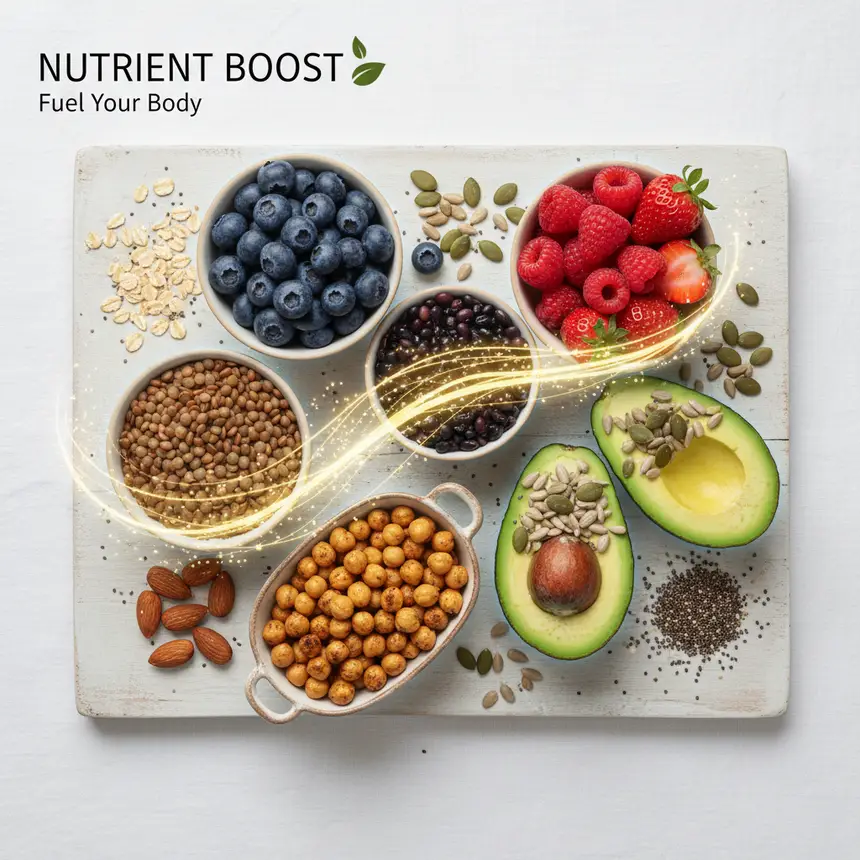
Your Ovarian Health Plate: Essential Foods to Incorporate Daily
Crafting an optimal diet for ovarian health doesn't have to be complicated. Simply by consistently including certain nutrient-rich foods in your daily routine, you can make a significant difference. Here are three key food categories particularly beneficial for maintaining ovarian health:
1. Antioxidant-Rich Berries: Various berries like blueberries, raspberries, and strawberries are packed with powerful antioxidants such as polyphenols and Vitamin C. These compounds protect ovarian cells from oxidative stress and reduce inflammation, contributing to improved egg quality. They are excellent additions to your breakfast yogurt or as a healthy snack.
2. Plant-Based Proteins from Legumes: Foods like tofu, lentils, and chickpeas provide plant-based protein and phytoestrogens. Phytoestrogens contribute to balancing female hormones, positively influencing ovarian function. Incorporate them as salad toppings or as a primary protein source in your meals.
3. Avocados: Rich in Healthy Fats and Folate: Avocados are incredibly beneficial for ovarian health due to their abundance of monounsaturated fatty acids and folate. These nutrients improve blood flow to the ovaries and facilitate hormone secretion, supporting healthy ovulation. Try adding avocado to salads, sandwiches, or smoothies regularly. Actively integrating these foods into your diet, reducing processed food intake, and ensuring sufficient hydration are the most effective ways to safeguard healthy ovaries. Remember that small dietary changes can have a profound impact on long-term women's health, and starting today is highly recommended.
1. Antioxidant-Rich Berries: Various berries like blueberries, raspberries, and strawberries are packed with powerful antioxidants such as polyphenols and Vitamin C. These compounds protect ovarian cells from oxidative stress and reduce inflammation, contributing to improved egg quality. They are excellent additions to your breakfast yogurt or as a healthy snack.
2. Plant-Based Proteins from Legumes: Foods like tofu, lentils, and chickpeas provide plant-based protein and phytoestrogens. Phytoestrogens contribute to balancing female hormones, positively influencing ovarian function. Incorporate them as salad toppings or as a primary protein source in your meals.
3. Avocados: Rich in Healthy Fats and Folate: Avocados are incredibly beneficial for ovarian health due to their abundance of monounsaturated fatty acids and folate. These nutrients improve blood flow to the ovaries and facilitate hormone secretion, supporting healthy ovulation. Try adding avocado to salads, sandwiches, or smoothies regularly. Actively integrating these foods into your diet, reducing processed food intake, and ensuring sufficient hydration are the most effective ways to safeguard healthy ovaries. Remember that small dietary changes can have a profound impact on long-term women's health, and starting today is highly recommended.
Frequently Asked Questions
Q. What lifestyle habits most significantly impact ovarian health?
A. Key lifestyle habits negatively affecting ovarian health include smoking, chronic sleep deprivation, excessive stress, and unbalanced diets high in refined carbohydrates. Conversely, regular exercise, adequate sleep, stress management, and a balanced diet significantly help protect and maintain ovarian function.
Q. How do specific nutrients help in preventing ovarian aging?
A. Antioxidants (Vitamins C, E, Selenium) neutralize free radicals that damage ovarian cells, helping to slow down aging. Omega-3 fatty acids reduce inflammation and improve blood circulation, supporting ovarian function, while iron and folate are essential nutrients for creating a healthy ovarian environment.
Q. Which foods should I avoid for better ovarian health?
A. For optimal ovarian health, it's best to minimize consumption of processed foods high in simple sugars, refined carbohydrates (white bread, pastries), and foods rich in trans fats (fried foods, some baked goods). These can increase insulin resistance and lead to hormonal imbalances.
Q. When is the best time to start focusing on ovarian health management?
A. Ovarian health management isn't confined to a specific age; ideally, it should begin consistently from a young age. Especially for women of reproductive age, healthy lifestyle habits and dietary management positively impact not only future ovarian health but also overall female well-being.