Your kidneys are vital filters for your body. Early signs of kidney trouble are often missed, but without timely management, they can lead to chronic issues. Learn about the key signals of declining kidney function and practical tips for a healthy diet and lifestyle to support your kidneys.

Whispers from Within: Are You Missing Your Kidneys' Warning Signs?
In the hustle and bustle of daily life, we often brush off feelings of fatigue, a bit of swelling in our legs or face, or more frequent nighttime bathroom trips. It's easy to blame these bodily changes on stress or simply getting older. However, our kidneys, those vital filtration organs, are known as 'silent organs' because they rarely show immediate pain or obvious symptoms when trouble begins. Kidneys play a crucial role in filtering waste from our blood and maintaining fluid balance, tasks essential for life itself. If we overlook these subtle early signs of kidney issues, ignoring them can eventually lead to irreversible health problems. Let's delve into the key signals we need to recognize and the management strategies to protect our kidney health.
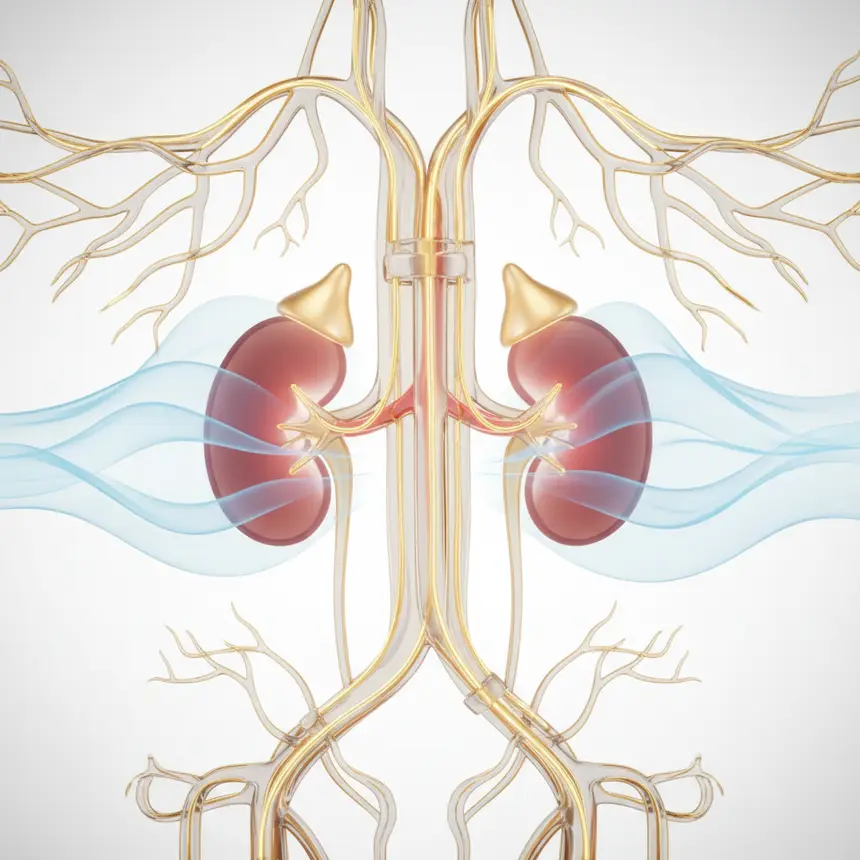
The Body's Filter in Distress: Diverse Signals of Declining Kidney Function
When our kidneys, which act like the body's essential water purification system, start to falter, our body begins to express discomfort in various ways. These signals can easily be mistaken for common, everyday issues, so keen attention is vital.
- Changes in Urination: You might notice excessive foam in your urine, or even blood (hematuria). A decrease in overall urine volume or an increase in nighttime urination could also signal kidney dysfunction.
- Swelling (Edema): If kidneys can't properly regulate fluid and sodium balance, excess fluid accumulates in the body, leading to swelling. Puffiness around the eyes in the morning, or swelling in the legs and ankles, is often closely linked to kidney problems.
- Persistent Fatigue and Weakness: As waste products build up in the blood, energy metabolism in cells throughout the body slows down, causing easy fatigue and a general lack of energy. Kidneys are also involved in producing hormones for red blood cell formation, so impaired function can lead to anemia, resulting in chronic fatigue and overall weakness.
- Elevated Blood Pressure and Shortness of Breath: Electrolyte imbalances can raise blood pressure, and fluid accumulation in the lungs can cause breathlessness. In severe cases, headaches and muscle cramps might also occur.
- Digestive Issues: Increased waste products in the blood can irritate stomach nerves, leading to frequent nausea, loss of appetite, and indigestion. If these symptoms persist, it's worth considering kidney-related issues rather than just simple stomach problems.
※ This post contains affiliate links. I may earn a commission at no extra cost to you.


Lifestyle Choices for Kidney Health: Diet and Smart Nutrition
One of the most effective ways to support kidney health is by maintaining a balanced diet and healthy lifestyle habits. Particular attention to the foods you consume is essential.
- Nutrients and Foods Beneficial for Kidneys:
- Rich in Dietary Fiber: Whole grains like oats, barley, and brown rice, along with fruits such as apples and berries, and vegetables like broccoli and cauliflower, help reduce kidney strain by inhibiting gut toxin production and assisting with blood sugar and lipid management.
- Antioxidant Vitamins: Foods rich in Vitamins C and E, such as bell peppers, kale, tomatoes, and kiwi, contribute to protecting kidney cells and boosting immunity.
- Omega-3 Fatty Acids: Found abundantly in fatty fish like salmon and mackerel, as well as flaxseeds, chia seeds, and walnuts, Omega-3s help reduce inflammation and improve blood pressure and lipid profiles.
- Specific Antioxidant Compounds: Anthocyanins and flavonoids, plentiful in blueberries, cherries, grapes, and apples, can help neutralize free radicals and mitigate damage to kidney tissues.
- Foods to Limit for Kidney Health:
- High-Sodium Foods: Instant noodles, processed soups, cured meats, and pickled foods are high in sodium, causing fluid retention and increased blood pressure, which places excessive stress on the kidneys.
- High-Phosphorus Foods: Carbonated drinks like cola, and processed cheeses, can be high in phosphorus, potentially negatively impacting bone and blood vessel health.
- Excessive Potassium Foods (if advised by a professional): Foods rich in potassium like bananas, tomatoes, spinach, and potatoes, can be dangerous if kidney function is impaired, so intake may need to be managed.
- Saturated/Trans Fats and Sugars: Fatty meats, fried foods, sugary drinks, and snacks can worsen circulatory health and make blood sugar management difficult, increasing the risk of kidney complications.

Your Kidneys Are Precious: Lifelong Health Through Early Management
Like diligent workers, our kidneys tirelessly labor to maintain our health. Yet, despite their importance, we often overlook the early signals they send. It’s crucial to remember that seemingly minor symptoms like fatigue, swelling, or changes in urination could actually be your kidneys sending an SOS. Ignoring these signals and leaving them unaddressed can significantly accelerate kidney function decline, potentially leading to chronic issues.
The journey to kidney health doesn't require drastic measures. It begins with small dietary changes: eating less salt, reducing processed foods, and opting for fresh, natural ingredients. Regular exercise, adequate hydration, and, when necessary, routine health check-ups to monitor your kidney status are also vital. Listen to the subtle messages your body sends and start making smart choices for your kidney health today. Remember that consistent, dedicated attention and effort are the most reliable investments you can make in your lifelong well-being.
The journey to kidney health doesn't require drastic measures. It begins with small dietary changes: eating less salt, reducing processed foods, and opting for fresh, natural ingredients. Regular exercise, adequate hydration, and, when necessary, routine health check-ups to monitor your kidney status are also vital. Listen to the subtle messages your body sends and start making smart choices for your kidney health today. Remember that consistent, dedicated attention and effort are the most reliable investments you can make in your lifelong well-being.
Frequently Asked Questions
Q. What are the early symptoms of declining kidney function?
A. Early signs can include fatigue, decreased urine output or increased nighttime urination, swelling (edema) around the eyelids or legs in the morning, and foamy urine due to protein. Since these can be confused with other conditions, it's advisable to consult a healthcare professional if they persist.
Q. What kind of diet supports kidney health?
A. A diet low in sodium, with reduced processed foods, and rich in fresh vegetables, fruits, and whole grains is important. Prioritize foods high in fiber, antioxidant vitamins, and Omega-3 fatty acids. Adequate hydration is also key.
Q. What tests should I get if I suspect kidney problems?
A. Basic tests include blood tests for creatinine levels and Glomerular Filtration Rate (GFR), and urine tests for protein and blood. Further investigations like kidney ultrasounds or CT scans may be used to check for structural abnormalities.
Q. What foods should I avoid for better kidney health?
A. It's best to avoid high-sodium processed foods (instant meals, canned goods, processed meats), high-phosphorus foods like sodas and certain processed items, fatty foods rich in saturated and trans fats, and excessive sugar intake. Depending on your kidney function, potassium intake may also need adjustment, so consult a professional.