Discover the surprising impact of Vitamin K on our bodies, from its crucial role in bone density to efficient blood clotting. Learn practical tips for incorporating Vitamin K-rich foods like spinach into your diet for a vibrant life.

The Silent Partner for Strong Bones and Healthy Blood
Worrying about bone strength as you age or noticing minor cuts that seem to take forever to stop bleeding? Many are familiar with calcium and Vitamin D, but there's another crucial nutrient often overlooked: Vitamin K. This fat-soluble vitamin deeply influences vital bodily functions, playing a key role in maintaining bone mineral density and ensuring efficient blood clotting. Though not always in the spotlight, Vitamin K acts as a silent, indispensable partner supporting the foundational aspects of our health. Let's delve into why this nutrient is so critical for a balanced and vibrant life through balanced nutrition.

Unveiling Vitamin K's Core Functions and Deficiency Signs
Vitamin K primarily performs two core biological actions within our bodies. First, it's essential for synthesizing several proteins vital to the blood clotting cascade. When blood vessels are damaged, Vitamin K supports the natural hemostatic mechanism, helping prevent excessive bleeding. For example, the natural cessation of bleeding after a small cut is largely thanks to Vitamin K's involvement in these complex processes. Second, it plays a significant role in maintaining bone tissue health. Vitamin K activates osteocalcin, a protein that facilitates calcium binding and absorption into the bone matrix. This is crucial for enhancing bone density and preserving its robustness, potentially offering a positive impact on preventing bone weakening, especially in post-menopausal women. If your intake of this important nutrient is insufficient, you might experience easy bruising, frequent nosebleeds, or prolonged bleeding issues. Long-term deficiency can also lead to weakened bones and an elevated risk of fractures.
※ This post contains affiliate links. I may earn a commission at no extra cost to you.

Your Green Treasure Trove: A Guide to Vitamin K-Rich Foods
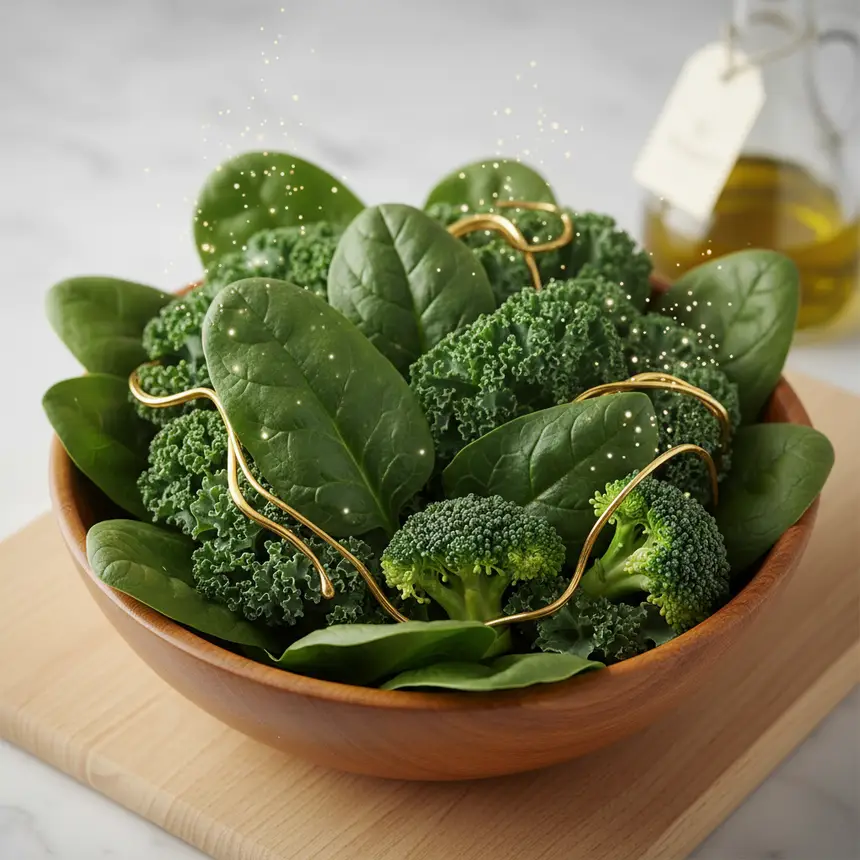
The most straightforward way to ensure adequate Vitamin K intake is through your diet. Green leafy vegetables, in particular, are exceptional sources. Among them, spinach boasts an impressive Vitamin K content; a single serving can often meet your daily recommended intake. Beyond Vitamin K, spinach is packed with lutein and zeaxanthin beneficial for eye health, iron and folate for blood production, and antioxidants like beta-carotene and Vitamin C, all contributing to overall health. Its rich dietary fiber also promotes digestive regularity and efficient bodily waste elimination. Other excellent sources include dark green vegetables like kale, broccoli, and cabbage. For the K2 form, fermented foods such as natto, along with egg yolks and some other animal products, offer valuable contributions. As Vitamin K is fat-soluble, its absorption is significantly improved when consumed with healthy fats. For instance, lightly sautéing spinach in olive oil or using an oil-based dressing on your salad are effective ways to boost its bioavailability.

Smart Approaches to Optimizing Your Vitamin K Intake
Even with beneficial nutrients, it's vital to consider your individual health status and dietary needs for smart consumption. Leafy greens rich in Vitamin K, like spinach, contain oxalates. These can bind with calcium in the body and potentially increase the risk of kidney stone formation. If you have a history of kidney stones, it's wise to blanch spinach in boiling water with a pinch of salt to reduce its oxalate content before eating. Furthermore, if you are currently taking blood-thinning medications (e.g., warfarin), your Vitamin K intake can interfere with the medication's efficacy. It is crucial to consult your healthcare provider to adjust your intake appropriately. Avoid sudden, large increases in consumption and always seek professional advice before making significant dietary changes. To maximize Vitamin K's benefits, pair it with other bone-supporting nutrients like Vitamin D and calcium. These nutrients work synergistically to further strengthen bone health. Though often overlooked, Vitamin K forms a fundamental pillar of our well-being. From today, view the green leafy vegetables on your plate as allies for a healthier life, and through consistent, mindful consumption, cultivate a vibrant daily routine.
Frequently Asked Questions
Q. What are the different types of Vitamin K, and how do they differ?
A. Vitamin K primarily exists as K1 (phylloquinone), found mostly in plant-based foods, and K2 (menaquinone), present in animal products and fermented foods. K1 is more involved in blood clotting, while K2 is known for its significant role in bone and cardiovascular health.
Q. Who should be cautious about their Vitamin K intake?
A. Individuals taking blood-thinning medications, such as warfarin, need to be very careful, as Vitamin K can counteract their medication's effects. It's essential to consult with your doctor to manage your intake. Also, those with a history of kidney stones should be mindful of high-oxalate foods like spinach.
Q. What is a typical recommended daily intake for Vitamin K?
A. For adults, the recommended daily intake is generally around 65-75 micrograms (mcg). However, individual needs can vary based on health status and lifestyle, so consulting a healthcare professional for personalized guidance is always best.
Q. What are the signs of Vitamin K deficiency?
A. A deficiency in Vitamin K can manifest as easy bruising, frequent nosebleeds, or prolonged bleeding from minor cuts and gums. In the long term, it can also contribute to weakened bones and an increased risk of fractures.
Q. How can I improve the absorption of Vitamin K from my diet?
A. Since Vitamin K is a fat-soluble vitamin, its absorption is enhanced when consumed with dietary fats. Cooking green leafy vegetables with healthy oils like olive oil or using oil-based dressings on salads can significantly boost its bioavailability.