Your blood vessels are vital for overall health. This guide explores nutritious foods that support strong, flexible vessels and highlights dietary choices to limit for better circulation.

How Everyday Food Choices Impact Your Vascular System
Think about your daily meals – what you grab for breakfast, lunch, or a snack. Do you ever consider how these seemingly small decisions could be affecting the intricate network of blood vessels throughout your body? These vessels are your body's superhighways, delivering oxygen and essential nutrients to every cell. When this network is healthy, your entire system thrives, providing you with energy and vitality. Unfortunately, modern lifestyles often lead us towards convenient, processed foods that, over time, can put a strain on these crucial pathways. Poor vascular health can lead to various issues, emphasizing why paying attention to your diet is so important. Today, we'll dive into the foods that champion vessel strength and clarity, alongside those that might hinder them, guiding you toward more mindful eating habits.
Essential Nutrients for Strong Vessels and Dietary Components to Limit
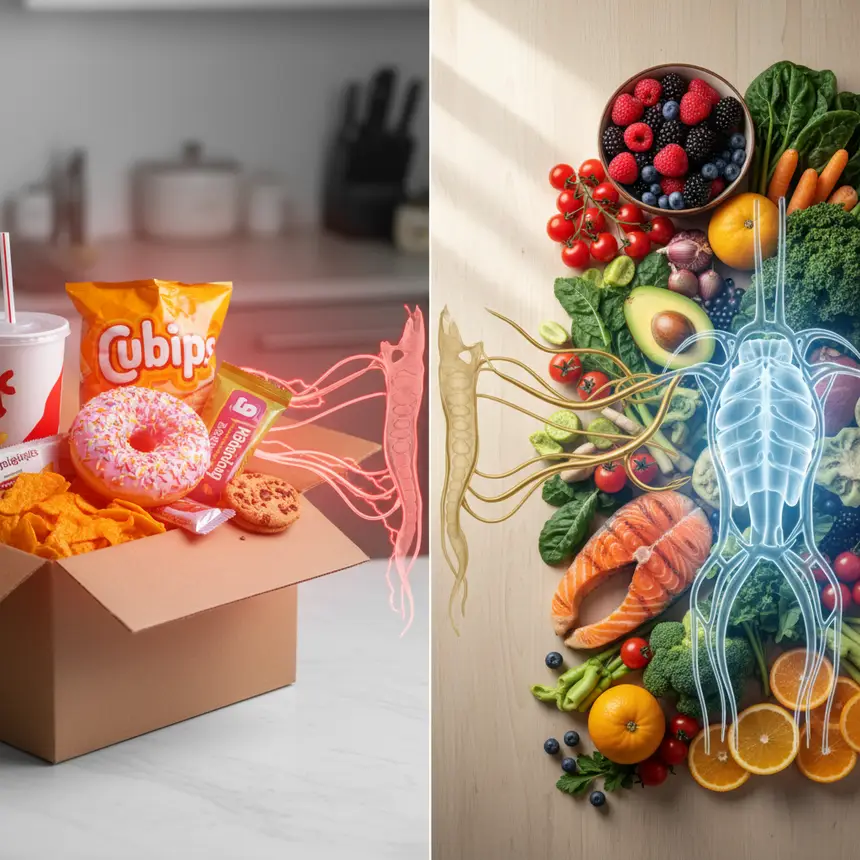
Keeping your blood vessels flexible and clear is crucial, much like maintaining a well-functioning road system. Certain nutrients are foundational to this process.
Found abundantly in fatty fish, omega-3 fatty acids are known for their ability to help regulate blood lipid levels and soothe inflammatory responses in vessel walls. They also help keep blood flowing smoothly by discouraging excessive clotting.
Rich in plant-based oils, monounsaturated fats, along with potent antioxidant polyphenols, work to lower "bad" cholesterol (LDL) while boosting "good" cholesterol (HDL). This action helps keep the inner lining of your blood vessels clean and supple, potentially slowing down the natural aging process of your arteries.
Nuts and seeds are packed with dietary fiber and vitamin E. They contribute to a healthy lipid profile and offer antioxidant protection, safeguarding your vessels from damage. Regular intake can support arterial wellness.
Lycopene and potassium, especially plentiful in red-hued vegetables, are powerful antioxidants. Lycopene helps reduce oxidative stress on your vessels and can prevent the thickening of arterial walls. Potassium plays a key role in maintaining healthy blood pressure levels.
Catechins and anthocyanins, polyphenol compounds abundant in green tea and berries, are known to reduce inflammation within blood vessels and enhance endothelial function – the health of the inner lining. Their strong antioxidant properties are vital for protecting vessels from age-related damage.
The unique compound in garlic, allicin, helps relax and widen blood vessels, promoting better circulation and aiding in blood pressure regulation. It may also contribute to inhibiting unwanted clot formation.
Often found in many processed and fast foods, trans fats can elevate harmful cholesterol (LDL) and diminish beneficial cholesterol (HDL). This imbalance can lead to plaque buildup in your arterial walls, significantly increasing the risk of conditions like atherosclerosis and heart disease.
Abundant in processed meats and many fried items, high levels of saturated fats can narrow blood vessels and worsen cholesterol profiles. Excessive sodium intake is a major contributor to high blood pressure, placing strain on vessel walls and potentially making them less flexible.
Sugary drinks and desserts, laden with added sugars, cause rapid spikes in blood glucose. This can lead to insulin resistance and, eventually, damage the delicate lining of your blood vessels. High sugar intake also correlates with elevated triglyceride levels, further compromising vascular health.
Oils subjected to high-temperature cooking, especially repeatedly, can become oxidized, potentially triggering inflammation in your blood vessels. While moderate alcohol consumption is sometimes mentioned for its potential benefits, excessive intake elevates blood pressure and triglyceride levels, and can impair liver function, indirectly harming overall vascular health.
- Powering Your Circulation: Key Nutrients
Found abundantly in fatty fish, omega-3 fatty acids are known for their ability to help regulate blood lipid levels and soothe inflammatory responses in vessel walls. They also help keep blood flowing smoothly by discouraging excessive clotting.
Rich in plant-based oils, monounsaturated fats, along with potent antioxidant polyphenols, work to lower "bad" cholesterol (LDL) while boosting "good" cholesterol (HDL). This action helps keep the inner lining of your blood vessels clean and supple, potentially slowing down the natural aging process of your arteries.
Nuts and seeds are packed with dietary fiber and vitamin E. They contribute to a healthy lipid profile and offer antioxidant protection, safeguarding your vessels from damage. Regular intake can support arterial wellness.
Lycopene and potassium, especially plentiful in red-hued vegetables, are powerful antioxidants. Lycopene helps reduce oxidative stress on your vessels and can prevent the thickening of arterial walls. Potassium plays a key role in maintaining healthy blood pressure levels.
Catechins and anthocyanins, polyphenol compounds abundant in green tea and berries, are known to reduce inflammation within blood vessels and enhance endothelial function – the health of the inner lining. Their strong antioxidant properties are vital for protecting vessels from age-related damage.
The unique compound in garlic, allicin, helps relax and widen blood vessels, promoting better circulation and aiding in blood pressure regulation. It may also contribute to inhibiting unwanted clot formation.
- Understanding Components That Could Harm Your Vessels
Often found in many processed and fast foods, trans fats can elevate harmful cholesterol (LDL) and diminish beneficial cholesterol (HDL). This imbalance can lead to plaque buildup in your arterial walls, significantly increasing the risk of conditions like atherosclerosis and heart disease.
Abundant in processed meats and many fried items, high levels of saturated fats can narrow blood vessels and worsen cholesterol profiles. Excessive sodium intake is a major contributor to high blood pressure, placing strain on vessel walls and potentially making them less flexible.
Sugary drinks and desserts, laden with added sugars, cause rapid spikes in blood glucose. This can lead to insulin resistance and, eventually, damage the delicate lining of your blood vessels. High sugar intake also correlates with elevated triglyceride levels, further compromising vascular health.
Oils subjected to high-temperature cooking, especially repeatedly, can become oxidized, potentially triggering inflammation in your blood vessels. While moderate alcohol consumption is sometimes mentioned for its potential benefits, excessive intake elevates blood pressure and triglyceride levels, and can impair liver function, indirectly harming overall vascular health.
※ This post contains affiliate links. I may earn a commission at no extra cost to you.

Smart Eating Strategies for Sustaining Healthy Blood Vessels
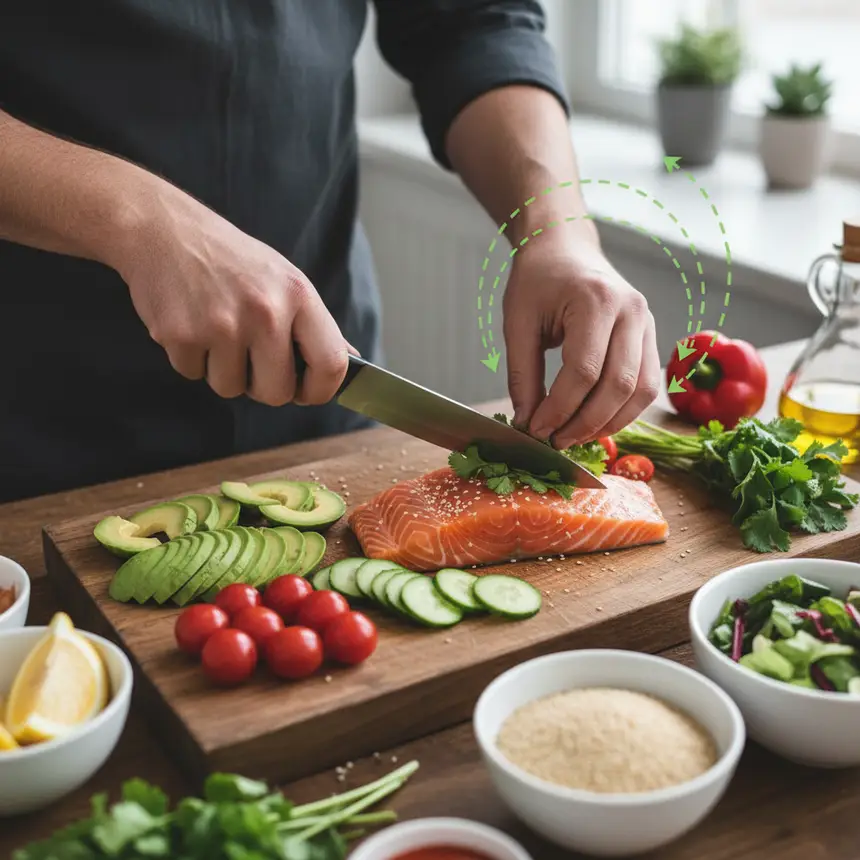
Cultivating a diet that supports vascular health doesn't have to be complicated. Here are practical guidelines you can easily integrate into your daily life:
- Prioritize Whole Foods: Make fresh vegetables, fruits, whole grains, and legumes the cornerstone of your meals. These foods are powerhouses of fiber and antioxidants, both crucial for a healthy vascular system.
- Choose Healthy Fats: Opt for plant-based oils like olive or avocado oil, and incorporate foods rich in omega-3s, such as walnuts or chia seeds, over animal fats. This helps balance blood lipids and manage inflammatory responses.
- Reduce Sodium and Sugar Intake: Minimize processed foods, instant meals, and sugary beverages. When cooking at home, experiment with herbs and spices to flavor your dishes instead of relying heavily on salt and sugar. Also, try to limit processed meats.
- Cook Smartly: Instead of deep-frying, choose healthier cooking methods like steaming, baking, or grilling. This reduces your intake of unhealthy fats and minimizes the formation of potentially harmful compounds from high-heat cooking.
- Stay Hydrated: Drinking plenty of water is simple yet effective. It helps maintain optimal blood viscosity, ensuring smooth and efficient blood circulation throughout your body.

Empowering Your Future: The Lifelong Benefits of Vascular Health
Your body's vascular system is incredibly resilient, but once damaged, it can be challenging to fully restore. This makes consistent, proactive care incredibly important. By consciously choosing nutrient-rich foods that benefit your blood vessels and smartly avoiding those that can harm them, you're making one of the most impactful investments in your long-term health. Beyond just preventing issues, clear and flexible blood vessels translate into greater energy, improved cognitive function, and an overall enhanced quality of life. Start with small, manageable changes at your next meal. Your blood vessels reflect the choices you make every day, and a healthier future begins now.
Frequently Asked Questions
Q. When is the best time to start adopting vascular-healthy eating habits?
A. It's never too early or too late to prioritize vascular health through diet. Damage to blood vessels often progresses slowly, so establishing good habits early in life can provide significant long-term benefits.
Q. Can supplements help with blood vessel health?
A. A balanced diet is the primary and most effective way to obtain essential nutrients for vascular health. If you suspect a nutrient deficiency, it's best to consult a healthcare professional before considering supplements.
Q. Do I need to completely avoid all "bad" foods for my blood vessels?
A. It's generally about balance and moderation. Occasional, small indulgences in foods less beneficial for vascular health are unlikely to cause significant harm. The key is to make them the exception, not the rule, and focus on overall dietary patterns.
Q. Is a plant-based diet better for vascular health?
A. Plant-based diets tend to be lower in saturated fat and cholesterol and higher in fiber, vitamins, and minerals, which can positively impact vascular health. However, ensuring a varied intake of plant foods is crucial to avoid any nutrient deficiencies.
Q. Besides diet, what other lifestyle habits are important for healthy blood vessels?
A. Regular physical activity, sufficient quality sleep, effective stress management, and avoiding smoking are just as crucial as diet for maintaining optimal vascular health. A holistic approach to wellness benefits your entire circulatory system.