Are you constantly battling post-meal bloating and discomfort? Chronic indigestion isn't just a nuisance; it's a sign your digestive system needs attention. Discover the root causes and sustainable strategies to reclaim your comfortable gut.

The Hidden Burden: Living with Chronic Digestive Discomfort
That familiar feeling of bloating, discomfort, and general unease after a meal is a common complaint for many. While it’s easy to dismiss these sensations as temporary or minor, when digestive issues become a persistent, recurring problem, they signal something more significant. Chronic indigestion isn't just about a temporary struggle to digest food; it can significantly impact your overall quality of life. It might manifest as a lack of energy, difficulty concentrating, or even disrupted sleep, subtly encroaching on your daily routines. When your gut isn't happy, the simple pleasure of eating can turn into a source of stress, leading to a sense of unease and even anxiety. Therefore, it's crucial not to overlook these persistent signals. Listening to your body is the first vital step toward achieving lasting well-being.
Unpacking the Roots: Why Your Digestion is Struggling
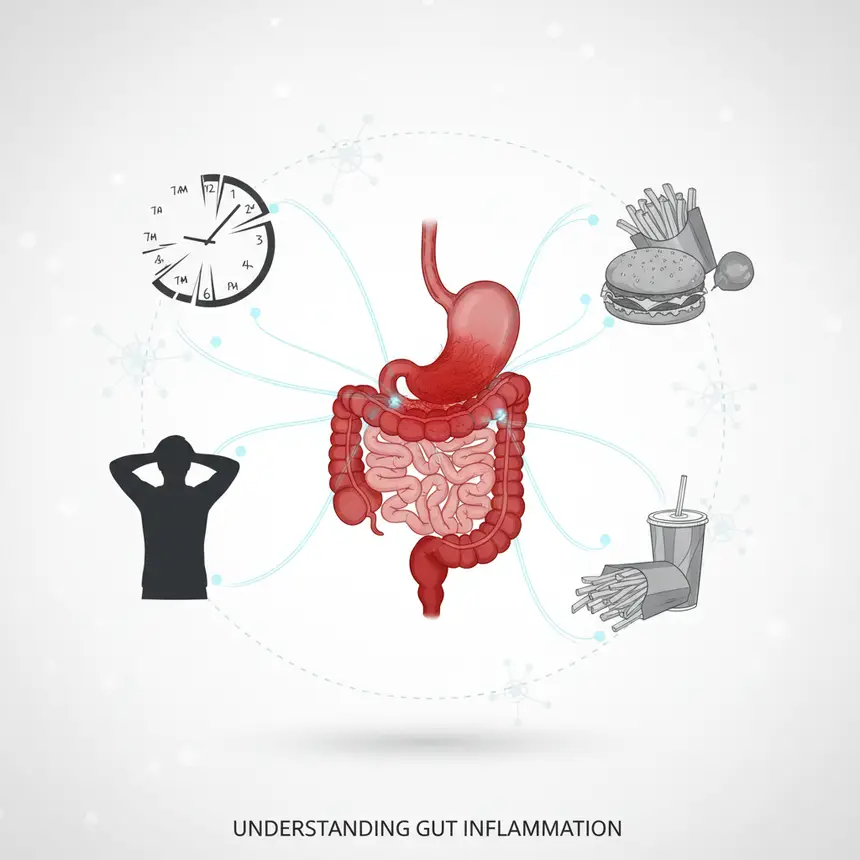
Persistent digestive issues rarely have a single cause; they often stem from a combination of factors. One of the most prevalent culprits is inconsistent eating habits. Rushing through meals, overeating, late-night snacking, and irregular meal times can all disrupt your stomach's natural rhythm. This makes it harder for food to be properly broken down and moved through the digestive tract, leading to a backlog of undigested particles or metabolic waste. This build-up can irritate the stomach lining, impede the production of digestive enzymes, and ultimately accelerate a decline in digestive function. Moreover, stress and anxiety directly interfere with the autonomic nervous system, which controls digestion, potentially causing either excessive acid production or slowed gut motility. Other lifestyle factors like insufficient sleep and lack of physical activity also negatively affect the digestive system, contributing to chronic discomfort. Our digestive organs are quite sensitive, easily influenced by even subtle shifts in our daily routines. This is precisely why it’s so important to take a closer look at your eating habits and lifestyle choices.
※ This post contains affiliate links. I may earn a commission at no extra cost to you.


Strategies for Relief: Nurturing Your Digestive System
To break free from chronic digestive discomfort, it’s essential to go beyond just symptom relief and focus on strengthening your fundamental digestive capabilities. First, dietary adjustments are key. Prioritize easily digestible foods, ensuring you consume enough fiber and water to maintain healthy bowel movements. It’s generally wise to reduce your intake of spicy, salty, greasy, and processed foods. Second, practicing mindful eating by chewing your food thoroughly is the initial step to proper digestion. Chewing sufficiently alone can stimulate digestive enzyme production and lessen the burden on your stomach. Third, stress management is crucial for gut health. Incorporate relaxation techniques like yoga, meditation, or deep breathing into your daily routine to promote mental and physical calm. Fourth, gentle physical activity can boost gut motility and aid digestion. A light walk after meals, for instance, can effectively stimulate digestion and improve blood circulation. These small, consistent habits collectively help bolster your gut’s resilience and gradually restore digestive function. For example, try taking a 10-minute walk after each meal or dedicating 5 minutes to meditation before bed.

Building Lasting Gut Wellness: A Holistic Approach
Achieving optimal digestive health isn't a short-term fix but rather a journey that requires consistent, sustained effort. Instead of relying on quick fixes when discomfort strikes, it's vital to review and improve your entire lifestyle. Key elements include maintaining regular meal times, ensuring adequate sleep, and finding effective ways to manage stress. Our gut is often called our 'second brain' because of its intricate connection to our emotional state. Therefore, cultivating a positive mindset and stable emotional well-being positively impacts digestive function. For long-term digestive health, a balanced diet, regular exercise, and sufficient rest must work in harmony. If, despite these efforts, your symptoms persist or worsen, consulting a healthcare professional for an accurate diagnosis and personalized advice is a wise decision. Start with small changes, like beginning your day with a glass of warm water or opting for fresh vegetables and fruits more often instead of instant foods. Gradually build a healthy lifestyle that works best for you.
Frequently Asked Questions
Q. What exactly is chronic indigestion, and what are its common signs?
A. Chronic indigestion refers to persistent or recurring discomfort in the upper abdomen, such as pain, heartburn, bloating, fullness, or early satiety, lasting for at least three months without an identifiable underlying disease. It can also be accompanied by nausea, burping, bad breath, fatigue, and sleep disturbances.
Q. What are some surprising factors that can weaken digestive function?
A. Key factors that can weaken digestive function include irregular eating habits (overeating, late-night meals, eating too fast), stress, excessive caffeine/alcohol consumption, smoking, lack of sleep, insufficient physical activity, and certain medications. These factors negatively impact gut motility and enzyme secretion.
Q. What simple daily habits can I adopt to support my digestive health?
A. Easy daily habits to support digestive health include chewing food thoroughly, sticking to regular meal times, drinking plenty of water, taking light walks after meals, and managing stress. It's also important to consume fiber-rich foods instead of highly processed or irritating ones.
Q. Are there specific foods I should avoid when experiencing bloating?
A. When experiencing bloating, it's generally best to avoid high-fat foods, fried foods, overly spicy or salty items, carbonated drinks, excessive caffeine, certain gas-producing vegetables like beans or broccoli, and foods with artificial sweeteners. Since individual triggers vary, it's crucial to identify which foods cause you discomfort.
Q. How does stress directly impact my digestive system?
A. Stress directly impacts digestive function through the 'gut-brain axis.' Stress hormones can either increase or decrease stomach acid production and can either over-activate or slow down gut motility. This can manifest as indigestion, abdominal pain, constipation, or diarrhea.