An essential guide to liver health. Discover practical ways to prevent and manage fatty liver with foods, lifestyle changes, and enhanced nutrient absorption. Learn tips for maintaining a healthy liver.

The Silent Burden: How Everyday Habits Affect Liver Health
In the hustle and bustle of modern life, it's easy to overlook the critical role our liver plays in overall well-being. For many, social drinking is a common part of life, and what seems like moderate alcohol consumption can subtly yet significantly strain this vital organ. Much like a slow leak, seemingly harmless daily routines—like regular evening drinks, inconsistent eating patterns, or lack of physical activity—can gradually lead to fat accumulation in the liver, resulting in conditions like non-alcoholic fatty liver disease (NAFLD) or alcoholic fatty liver disease (AFLD). These liver issues often begin without noticeable symptoms, making them easy to dismiss. However, if left unaddressed, they can progress to more serious liver ailments. The liver is often called the "silent organ" precisely because it rarely signals distress until damage is considerable. This makes regular health check-ups and paying close attention to minor bodily changes extremely important. The first step towards safeguarding your liver is to assess your current lifestyle, identify foods that support liver function, and understand how to maximize nutrient absorption. Let's explore a smart approach to liver wellness together.
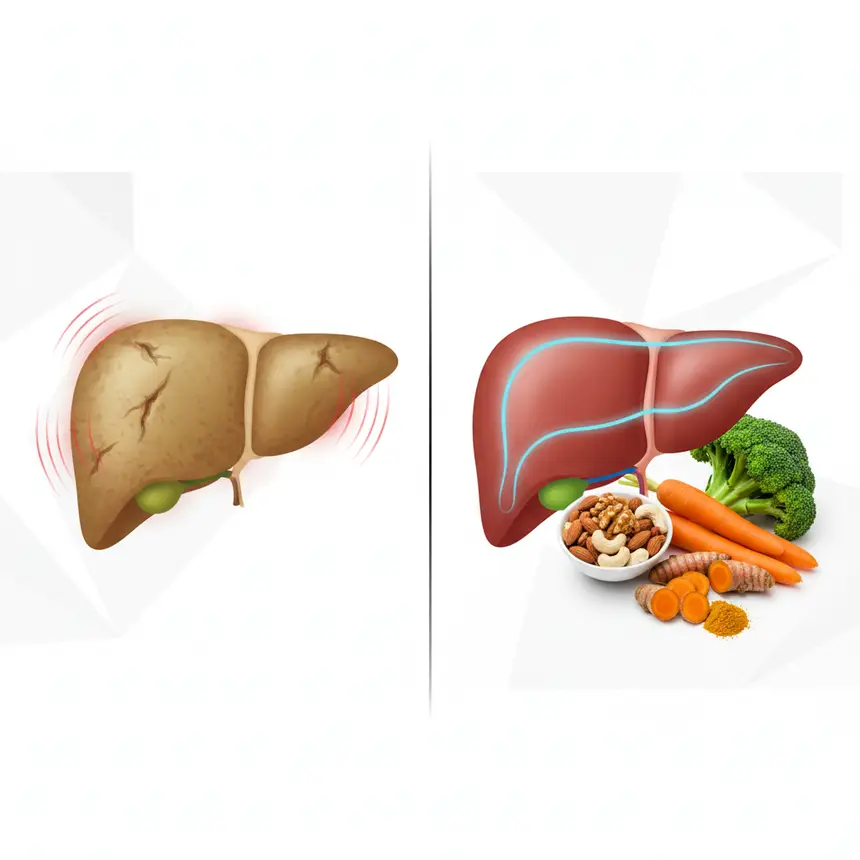
Key Nutrients and Practices for Optimal Liver Function
Supporting your liver health goes beyond simply eating; it involves supplying it with specific nutrients and ensuring they are well-absorbed.
- Omega-3 Fatty Acids & Vitamin E: Abundant in nuts, these nutrients play a crucial role in preventing fat buildup in the liver and act as powerful antioxidants, minimizing damage to liver cells.
- Sulforaphane & Antioxidant Enzymes: Cruciferous vegetables like broccoli are excellent for activating the liver's detoxification enzymes, which help in flushing out toxins from the body. Aim for at least three servings per week to reap these benefits.
- Beta-Carotene & Flavonoids: Orange vegetables such as carrots and beets are valuable for aiding liver cell regeneration, reducing inflammatory responses, and positively influencing detoxification.
- Curcumin: Found in turmeric, curcumin is a potent anti-inflammatory and antioxidant compound. It can support alcohol detoxification and help manage blood cholesterol levels.
- Liver-Supportive Nutrient Complexes: Enzyme-digested liver-derived peptides, amino acids, and B vitamins can bolster liver cell recovery, support energy metabolism, and help reduce fatigue. These ingredients are sometimes processed for improved bioavailability.
※ This post contains affiliate links. I may earn a commission at no extra cost to you.

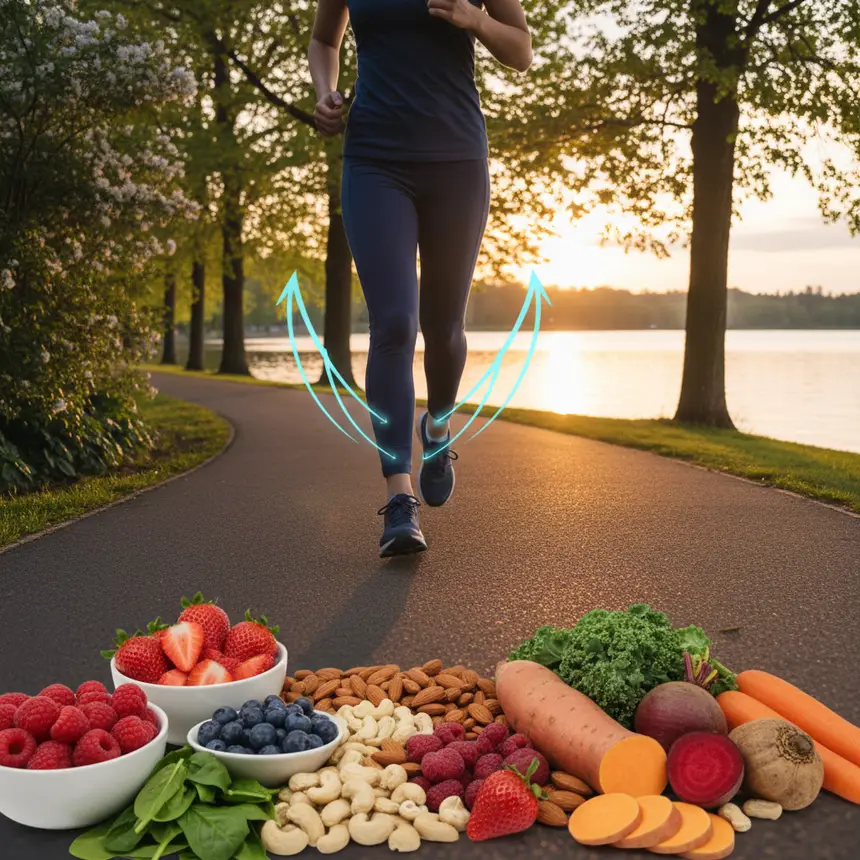
Holistic Lifestyle Changes for a Healthier Liver
Maintaining optimal liver health isn't achievable through a single approach. It requires a harmonious blend of dietary adjustments, consistent physical activity, and smart lifestyle modifications.
- Re-evaluate Drinking Habits: Excessive alcohol consumption is one of the most direct stressors on your liver. Try substituting your evening drink with herbal tea or a healthy beverage, or opt for a light, healthy snack instead.
- Regular Physical Activity: Aerobic exercises like walking or jogging can significantly reduce body fat accumulation and enhance blood circulation, both of which positively impact liver health. Aim for at least 30 minutes of consistent exercise, three or more times a week.
- Balanced Nutritional Intake: Actively incorporating liver-friendly foods into your daily diet is paramount. Use nuts as a healthy snack, make broccoli and carrots staple side dishes, and integrate turmeric as a spice in your cooking. Consistent consumption of these foods ensures your liver receives the necessary nutrients.
- Consider Nutrient Absorption: Even the healthiest foods won't be effective if your body can't absorb their nutrients efficiently. Consider consuming foods rich in digestive enzymes alongside your meals, or explore highly bioavailable nutritional supplements if needed.
Frequently Asked Questions
Q. If diagnosed with fatty liver, do I need to completely stop drinking alcohol?
A. After a fatty liver diagnosis, managing alcohol intake is critical. While complete abstinence is ideal, if it's too difficult, it's essential to consult with a healthcare professional to gradually reduce consumption. The key is to minimize the frequency and amount to avoid further strain on your liver.
Q. What's the best time to eat liver-friendly foods for maximum effectiveness?
A. Rather than focusing on specific times, it's more effective to consistently incorporate liver-friendly foods into your daily diet to provide continuous nutritional support. For example, adding vegetables to your breakfast or snacking on nuts throughout the day helps ensure a steady supply of beneficial nutrients.
Q. How much do nutritional supplements help with liver health?
A. Nutritional supplements serve as an adjunct to a balanced diet and a healthy lifestyle. They can help bridge nutritional gaps and support liver function, but they are not a standalone solution. It's crucial to combine them with dietary adjustments and exercise. Always consult with a healthcare professional before choosing supplements.