Discover the vital role of Vitamin K for your child's bone health and overall vitality during their growth years. Learn how to choose highly absorbable Vitamin K and daily nutrition tips to support healthy development.

Nurturing Growth: Every Nutrient Counts for Our Children
As parents, our children's healthy development is often our top priority. From supporting bone strength and height to ensuring their daily energy levels, every aspect of their well-being matters. Growing kids especially require careful attention to their nutritional intake, and sometimes, the importance of certain nutrients goes unnoticed until later. "Children's Vitamin K" can often be one such nutrient. Initially, many of us might just look for popular kids' supplements. However, as we consider our child's eating habits and growth stages, we realize the need for more specific nutrient choices. When we learn that Vitamin K plays a pivotal role, just as crucial as calcium for bone health, our interest in this often-overlooked nutrient grows. If your child is a picky eater or very active, you might worry that their diet alone isn't providing enough Vitamin K. This is when we start looking beyond just high-potency products, seeking Vitamin K that can be well-absorbed and efficiently utilized by their little bodies. How can we wisely choose and ensure our children get enough Vitamin K for their healthy development?
Beyond Potency: Why Vitamin K Absorption Matters for Kids
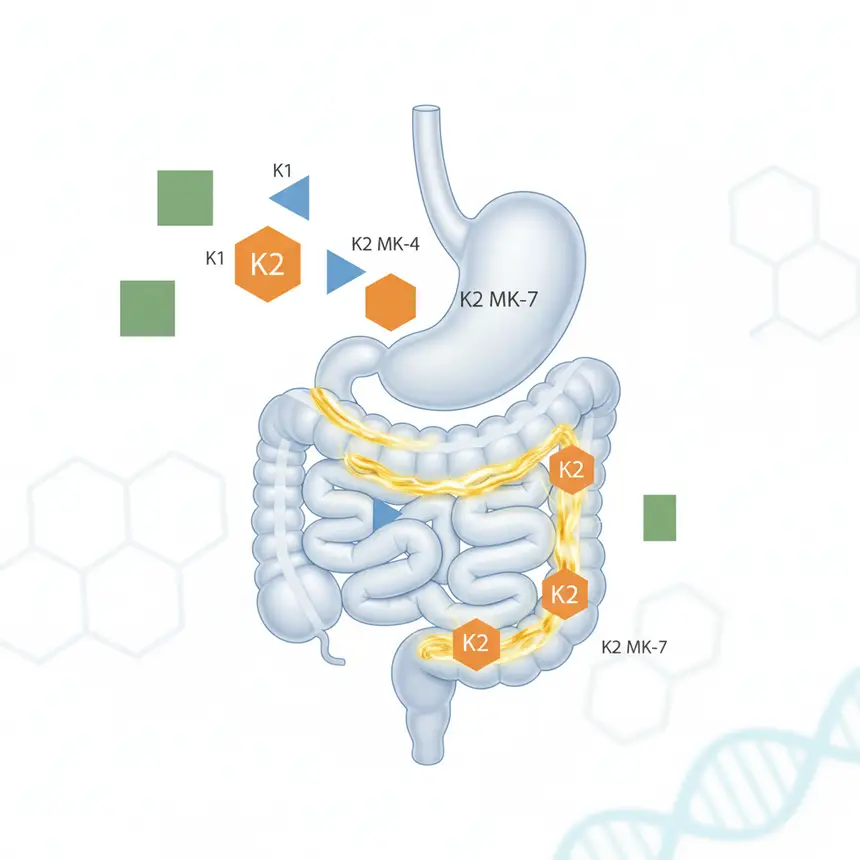
When selecting children's supplements, many parents instinctively check the dosage first, assuming "more is better." This thought process is entirely natural. However, for fat-soluble nutrients like "children's Vitamin K," simply looking at the dosage doesn't tell the whole story about its effectiveness. What truly matters is how well the nutrient is absorbed and utilized by the body. Vitamin K performs several vital functions, but due to its fat-soluble nature, its absorption and metabolism depend on its specific form and interaction with other nutrients. For instance, Vitamin K comes in K1 and K2 forms, each with different roles and absorption pathways in the body. Specifically, Vitamin K2, which is extensively researched for its role in bone health, can have its bioavailability significantly affected by its source and chemical structure. Furthermore, Vitamin D and Vitamin K are well-known for their synergistic relationship. While Vitamin D aids in calcium absorption, Vitamin K helps ensure that absorbed calcium is properly directed to the bones. Therefore, a balanced intake of both nutrients is crucial for bone development in growing children. For kids who struggle with dietary intake or have lower internal utilization of certain nutrients, it's essential to scrutinize the "absorption rate" and "ingredient combination" when choosing supplements. Instead of being swayed by high dosages, the focus should be on how effectively your child's body can actually use the nutrients.
※ This post contains affiliate links. I may earn a commission at no extra cost to you.

Smart Choices: Selecting Vitamin K for Growing Children
If you're looking to supplement Vitamin K for your child's healthy development, it’s important to make your selection based on a few key criteria. First, investigate the source and form of the ingredient. The body's absorption and utilization of Vitamin K can vary depending on whether it's derived from natural sources or is a synthetic form. It’s generally reassuring to choose products that clearly state their natural origin, like "yeast extract (Vitamin K)," indicating that the nutrient comes from sources like grains, vegetables, or fruits. Specifically for Vitamin K2, various forms exist, such as MK-4 and MK-7, and opting for forms with higher bioavailability is advisable. Second, consider its combination with Vitamin D. As mentioned, Vitamin K and Vitamin D work synergistically for bone health, so choosing a product that contains both in appropriate ratios can be more effective. Third, while considering a form and flavor your child will accept, ensure it doesn't contain unnecessary additives. Gummy or chewable forms are popular with kids, but you must check sugar content and other additives. Tablet forms often offer easier dosage management. Lastly, prioritize products that minimize unnecessary additives like chemical fillers, artificial flavors, and colors. Rather than just a "no additives" claim, choose products with transparent ingredient lists that instill confidence. By following these guidelines, you can select the right Vitamin K supplement to support your child's bone health and overall vitality.

Boosting Vitamin K Benefits: Integrating Healthy Lifestyle Habits
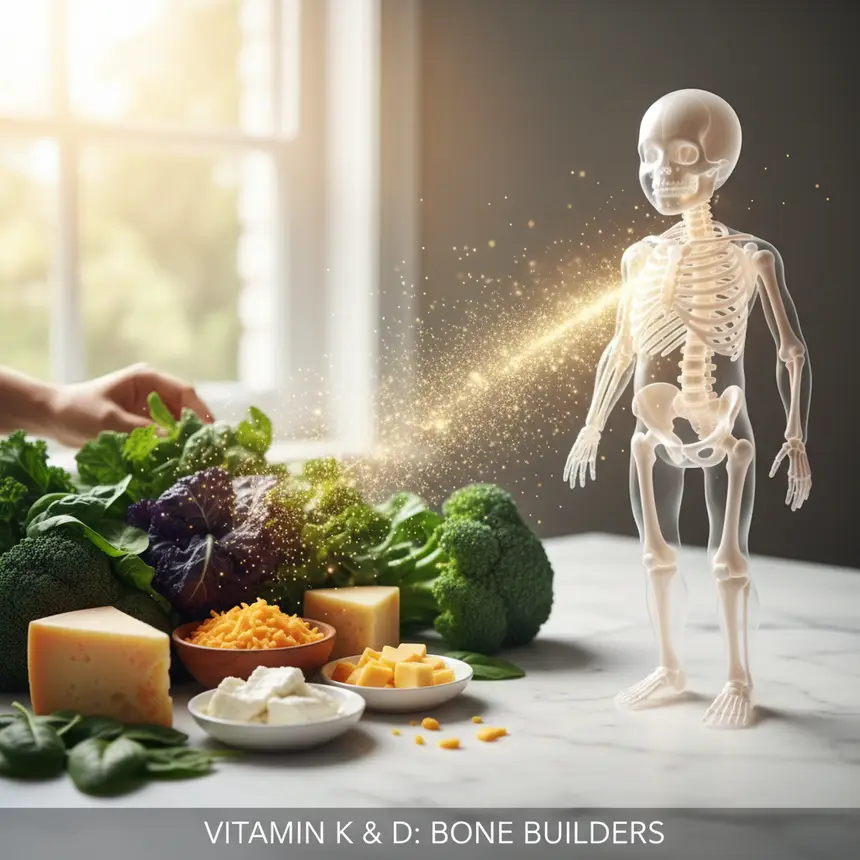
Even the best nutrients deliver maximum benefits when combined with a healthy lifestyle. To enhance the effectiveness of children's Vitamin K intake, consider integrating the following daily routines. First, establish consistent sleep patterns. Adequate, quality sleep is crucial for growth hormone secretion and overall physical recovery in growing children. Sticking to a regular bedtime and wake-up time significantly helps maintain a child's overall well-being. Second, provide a balanced diet. While supplementing Vitamin K, it's fundamental to offer meals rich in fresh vegetables, fruits, whole grains, and quality protein. Vitamin K is abundant in various foods like green leafy vegetables, broccoli, and fermented foods such as natto. Even if your child is a picky eater, try to gradually introduce a variety of these foods. Third, encourage plenty of outdoor activity. Sunlight exposure is essential for Vitamin D production, which works synergistically with Vitamin K for bone health. Instead of staying indoors, aim for at least 15-30 minutes of playtime in the sun each day. Such activities benefit not only physical development but also mental well-being. The timing of supplement intake also matters. Since Vitamin K is a fat-soluble vitamin, taking it with a meal that contains some fat can enhance absorption. Establish a consistent time, like after breakfast or dinner, that fits your child's daily routine to make it a regular habit.

Consistent Efforts for Healthy Growth: Supporting Our Children's Future
The journey toward our children's healthy development is not a sprint, but a marathon. Incorporating "children's Vitamin K" and other nutritional supplements, alongside healthy lifestyle habits, often shows its true value through consistent effort rather than immediate, dramatic changes. Initially, you might not notice significant differences. However, over several weeks or months, you may observe positive trends in your child's overall energy levels, sleep quality, and eating behavior. Signs like reduced fatigue, waking up more refreshed, or an apparent improvement in concentration can indicate that your child's body is responding well to balanced nutrient intake and a healthy routine. The key is to remember that sustained care and effort build a strong foundation for your child's healthy growth, rather than expecting a quick fix. Wisely choosing a highly absorbable Vitamin K, combined with regular sleep, a balanced diet, and sufficient outdoor activities, is paramount. A parent's consistent effort and loving attention will be the most significant nourishment for your child's strong and healthy development. Start taking small steps today for your child's healthy future.
Frequently Asked Questions
Q. What's the best form of Vitamin K for children to take?
A. Children's Vitamin K comes in various forms like liquids, chewables, and tablets. The most important thing is to choose a form your child will consistently take without resistance. Focus on the quality of the ingredients and absorption rate, opting for products with minimal unnecessary additives.
Q. Is there a specific reason why Vitamin K and Vitamin D should be taken together?
A. Yes, Vitamin K and Vitamin D play complementary roles vital for bone health. Vitamin D helps with calcium absorption, while Vitamin K assists in effectively directing that absorbed calcium to the bones. Taking them together can create a synergistic effect.
Q. When and how often should children take Vitamin K?
A. Since Vitamin K is a fat-soluble vitamin, its absorption is enhanced when taken with a meal containing some fat, either during or immediately after eating. Generally, follow the recommended dosage on the product label, but consistency is key—take it at a regular time each day. After breakfast is often convenient.
Q. My child is a very picky eater. What foods are rich in Vitamin K?
A. Vitamin K is abundant in green leafy vegetables (spinach, kale), broccoli, and cabbage. Fermented foods like natto and kimchi also contain significant amounts. If your child is a picky eater, try introducing these foods gradually in various preparations, or consider a supplement.