If you're taking blood thinners, special caution is needed when supplementing with Vitamin E. Understand the bleeding risks from drug interactions and the importance of professional consultation for safe health management.

Why Prudence is Key When Taking Supplements
In today's health-conscious world, dietary supplements have become a cornerstone of many people's wellness routines. Among these, vitamin E is widely recognized for its potent antioxidant properties, contributing to cell protection, skin health, and immune system support. While many individuals turn to vitamin E supplements with the aim of boosting their health, it's crucial to understand that not all supplement intake is universally beneficial. When combined with prescription medications, nutrients can sometimes lead to unexpected interactions. In fact, an improper combination of dietary supplements and prescribed drugs can either cause adverse effects or diminish the efficacy of your medication. For those on blood-thinning medication, specifically, vitamin E presents a potentially serious risk that demands extra caution. Ignoring these interactions could inadvertently jeopardize your health. Therefore, if you're considering adding any new supplement to your regimen, it's imperative to first check for potential interactions with all your current medications.
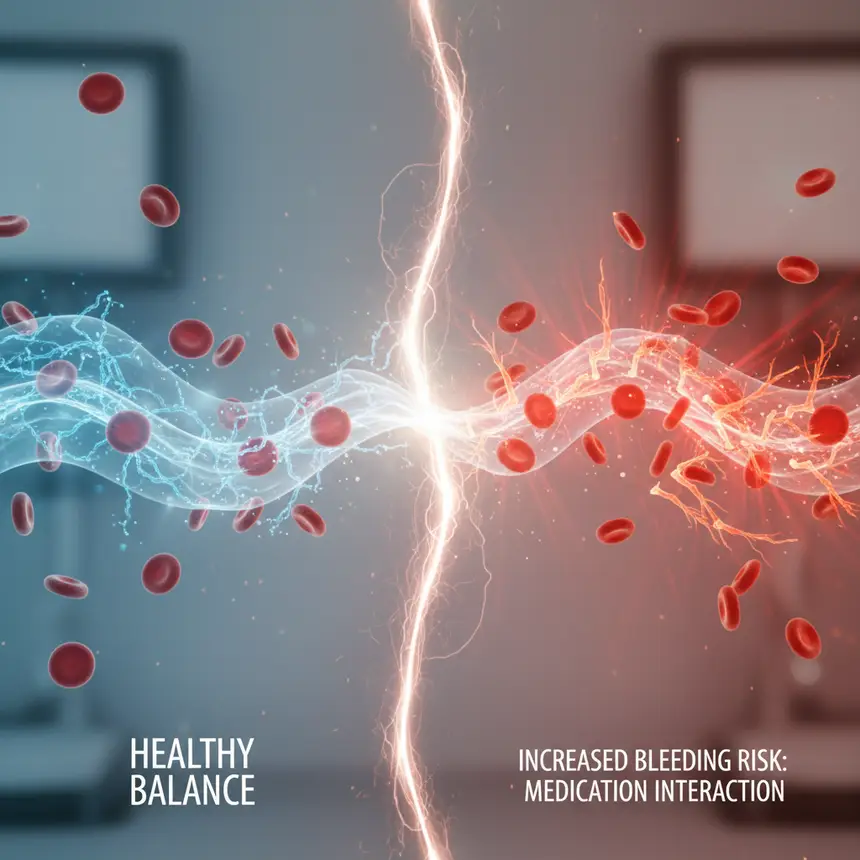
Understanding the Interaction Between Vitamin E and Blood Thinners
Blood thinners, or anticoagulants, are prescribed to prevent serious conditions like heart attacks and strokes by inhibiting blood clot formation. Oral anticoagulants, for example, require precise dosage management to ensure blood consistency is neither too thin nor too thick. Because these medications directly influence the complex process of blood clotting, introducing other substances that can alter their effect poses a significant risk. Vitamin E is known to interfere with platelet aggregation and can partially reduce the activity of certain blood clotting factors. This means it can contribute to the inhibition of the blood coagulation process. Consequently, if you are already taking blood-thinning medication and then add vitamin E supplements, the medication's effect could be excessively amplified, leading to a significantly increased risk of bleeding. This can manifest in minor ways such as gum bleeding, nosebleeds, or easy bruising, but it can also escalate to severe, life-threatening hemorrhages like gastrointestinal bleeding or brain hemorrhages. To mitigate these risks, it is critically important to consult with a healthcare professional before taking any supplement, especially to confirm any potential interactions with your current medications. Making informed choices, guided by expert advice, is the smart approach to ensure your health decisions don't lead to unforeseen complications.
※ This post contains affiliate links. I may earn a commission at no extra cost to you.

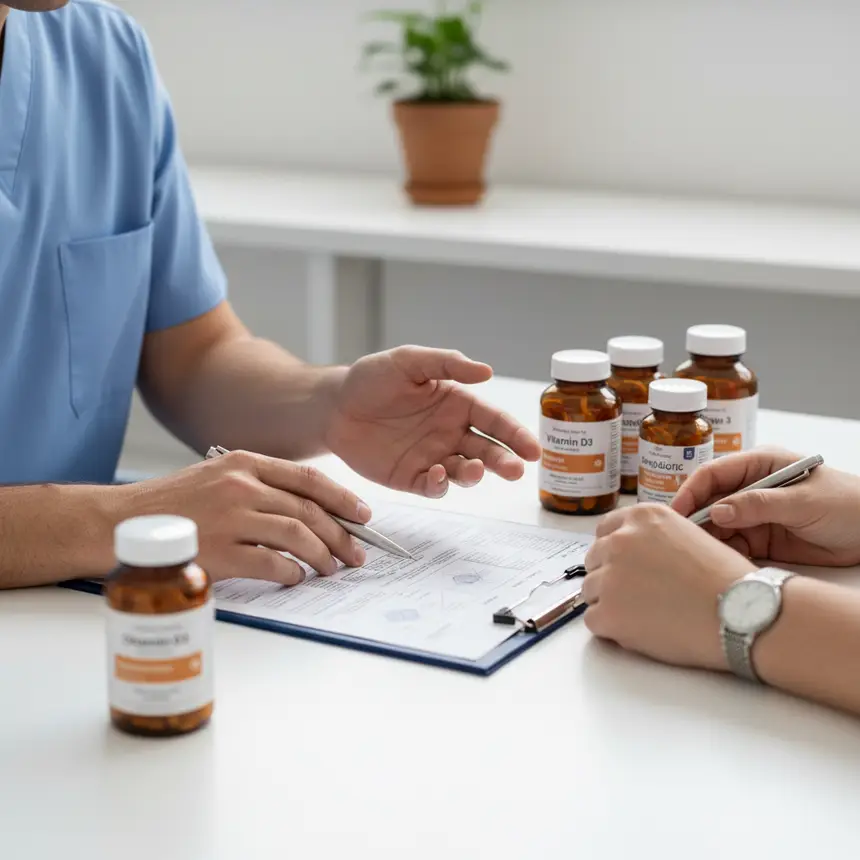
Smart Approaches for Safe Health Management
Incorporating supplements into your routine for health maintenance is a positive step. However, the intricate interactions between medications and nutrients should never be overlooked. If you are currently taking blood thinners or are scheduled for surgery, a particularly cautious approach to vitamin E supplementation is essential. Effective health management is always personalized. Since individuals react differently to various supplements and drug combinations, it's vital to openly communicate your full health status, including all medications and supplements you're taking, with your healthcare provider. Based on this comprehensive information, your medical team can offer tailored advice regarding the necessity of vitamin E intake, appropriate dosage adjustments, or even temporary cessation. For instance, you might need to temporarily stop taking vitamin E supplements before certain surgeries to minimize bleeding risks. As an active participant in your health journey, don't hesitate to ask your doctor or pharmacist any questions you have to gain accurate information and develop the most effective and safest health management plan. The most reliable way to safeguard your health is always through open communication and informed decisions with your healthcare professionals.
Frequently Asked Questions
Q. What are the primary health benefits of Vitamin E?
A. Vitamin E is a powerful antioxidant that helps protect cells from damage, supports immune function, and is also known to contribute to maintaining healthy skin.
Q. Why is it risky to take Vitamin E with blood-thinning medication?
A. Vitamin E has properties that inhibit blood clotting. When taken alongside blood thinners, it can excessively amplify the medication's effect, significantly increasing the risk of bleeding, such as nosebleeds, gum bleeding, or bruising.
Q. What precautions should I take regarding Vitamin E before surgery?
A. Prior to any surgery, it is crucial to consult your healthcare team about all supplements, including vitamin E, to minimize bleeding risks. In some cases, you may need to stop taking it for a certain period.
Q. Are there other supplements or foods to avoid when taking blood thinners besides Vitamin E?
A. Yes, Vitamin K can interfere with blood clotting and interact with anticoagulants. Other supplements like omega-3 fatty acids, ginkgo biloba extract, and garlic extract can also affect blood clotting, so always consult a professional.
Q. Where can I get information about supplement and drug interactions?
A. The most accurate information on supplement and drug interactions comes from healthcare professionals like doctors or pharmacists. It's best to openly disclose all medications and supplements you are taking to receive informed advice.