Feeling a dip in concentration or experiencing a foggy memory? Discover key nutrients and foods that support brain health, enhance cognitive function, and provide practical tips for a more active and vibrant mind.

Navigating Brain Fog: Are Your Cognitive Abilities Slipping?
In today's fast-paced world, many of us occasionally grapple with a decline in concentration or a frustrating lapse in memory. While these shifts can sometimes be a natural part of aging, they are often manageable and even reversible through conscious lifestyle choices, especially diet. Our brain, an incredibly active organ, consumes a significant portion of our body's energy – roughly 20%. It's constantly processing information, learning new skills, and storing memories. To ensure optimal performance, a steady supply of balanced and targeted nutrition is absolutely crucial. Beyond just getting enough rest, actively nourishing your brain with specific nutrient-rich foods can significantly enhance its vitality. This article will delve into essential food groups and their nutritional advantages that contribute to improved brain function, sharper focus, and enhanced memory.
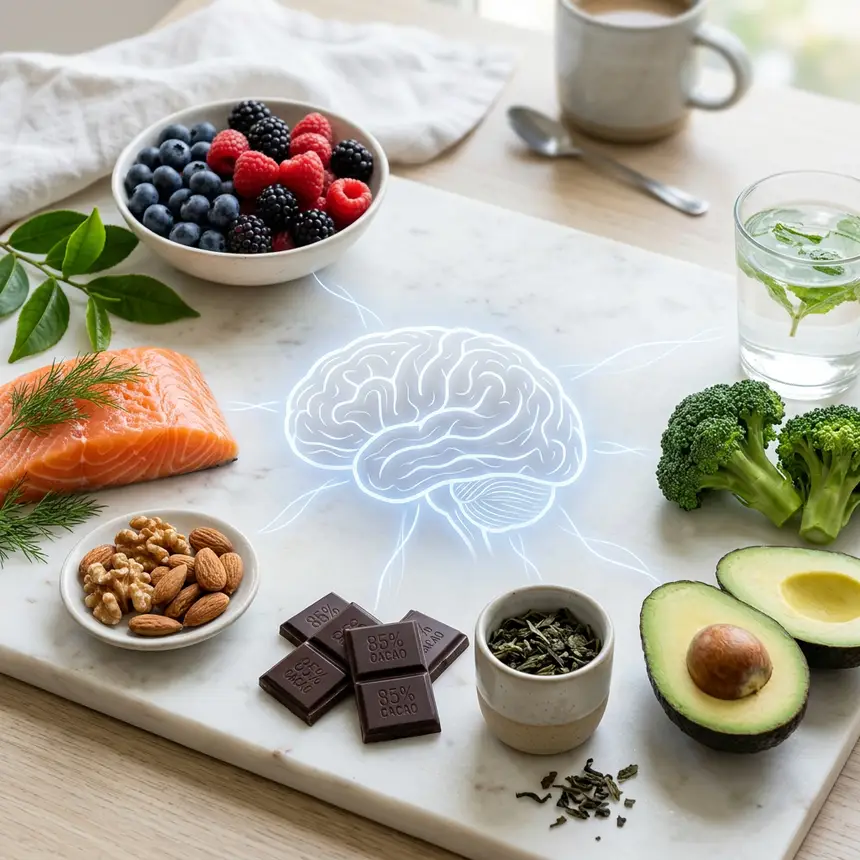
Key Nutrients and Foods for Optimal Brain Function
Maintaining robust brain health and cognitive function relies heavily on specific nutrients that protect brain cells, facilitate smooth nerve signal transmission, and boost overall cognitive abilities.
- Potent Antioxidants: Anthocyanins and Flavonols: Berries like blueberries and high-cocoa dark chocolate are exceptional at safeguarding brain cells from oxidative stress, a primary cause of cellular damage. Research suggests that these powerful antioxidants can improve cerebral blood flow and positively influence short-term memory. For instance, studies have indicated a measurable improvement in short-term memory scores among individuals who regularly incorporated berry fruits into their diet. Aim for about a cup of berries daily or 20-30g of dark chocolate with 70% or higher cocoa content as a smart snack choice.
- Essential Unsaturated Fatty Acids for Brain Structure: Nuts and fatty fish are rich sources of omega-3 fatty acids, which are vital building blocks for brain cell membranes and crucial for efficient nerve communication. Walnuts, in particular, contain abundant DHA, known for its potential to support cognitive performance. Fish such as salmon, mackerel, and tuna are packed with EPA and DHA, essential for brain development and sustaining cognitive function. Nutrition experts recommend consuming around 30g of nuts daily (a small handful) and including fatty fish in your diet two to three times per week.
- Vitamins and Choline: Supporting Nerve Regulation: Broccoli and avocados deliver important nutrients like Vitamin K, choline, and folate, all pivotal for brain health. Choline serves as a precursor for neurotransmitters involved in learning and memory, while Vitamin K and folate contribute to preventing cognitive decline. Lightly steaming or sautéing broccoli a few times a week is beneficial. For avocados, incorporating about half a fruit into salads or toasts daily can provide a wealth of brain-supportive nutrients.
- L-Theanine: Calming Focus from Green Tea: The L-theanine found in green tea offers a unique benefit: it promotes a state of calm alertness, enhancing focus without the jitters often associated with caffeine alone. It helps modulate brain waves, leading to improved concentration and reduced tension. Enjoying two to three cups of green tea daily can positively impact brain activity, though it's best to avoid it late in the evening due to its caffeine content.
※ This post contains affiliate links. I may earn a commission at no extra cost to you.


Integrating Brain-Boosting Foods into Your Daily Life
Incorporating a brain-healthy diet doesn't require a radical overhaul of your eating habits. Even small adjustments can make a significant difference.
- Smart Breakfasts and Snacks: Start your day with a handful of nuts or a cup of berries mixed into yogurt. An avocado toast makes for a nutritious and brain-friendly snack. Since the brain is often most active in the morning, fueling it with good nutrition early on is key.
- Regular Meal Planning: Aim to include fatty fish in your meals at least two to three times a week. Make a conscious effort to add broccoli and other green vegetables to your diet regularly.
- Targeted Boosts for Concentration: Before an important meeting or study session, consider having a piece of dark chocolate or a warm cup of green tea. The flavanols and L-theanine can help stimulate brain activity and sharpen your focus.
- The Power of Consistency: When it comes to brain health through diet, consistency is far more impactful than short bursts of effort. You'll likely begin to notice positive changes in your concentration and memory after consistently incorporating these foods for at least two to three weeks. Take a moment today to check your pantry and refrigerator, and start stocking up on these brain-nourishing powerhouses. These seemingly minor dietary tweaks can lead to remarkable improvements in your cognitive vitality.
Frequently Asked Questions
Q. When is the best time to eat brain-healthy foods for maximum benefit?
A. It's generally most effective to consume these foods in the morning or early afternoon when brain activity tends to be higher. Nuts and berries, for example, can be an excellent addition to your breakfast to support cognitive function throughout the day. If you need a concentration boost before a task, a piece of dark chocolate or a cup of green tea about 30 minutes prior can be quite helpful.
Q. How long does it take to see results from a brain-healthy diet?
A. Improving brain function is a gradual process, not an overnight fix. You should aim for consistent intake for at least two to three weeks to start noticing significant improvements in focus and memory. Patience and persistence are key to experiencing the full benefits.
Q. Can nutritional supplements help with brain health in addition to diet?
A. A balanced diet that provides a wide array of nutrients is always the ideal foundation for brain health. However, if you feel your dietary intake is insufficient, consulting with a healthcare professional about suitable supplements can be an option. Remember that supplements are intended to complement, not replace, a wholesome diet.