Omega-3, Vitamin D, and Vitamin E are essential nutrients for modern health. Discover how to effectively incorporate this trio into your routine for a more vibrant life. Get tips on optimal intake and consistent management.

H2. The Silent Epidemic: Essential Nutrient Imbalances in Modern Lifestyles
In our fast-paced modern world, many individuals frequently experience persistent fatigue and a noticeable dip in concentration. These common issues often trace back to an imbalance in our fundamental nutrient intake. Specifically, Omega-3 fatty acids, Vitamin D, and Vitamin E are recognized as crucial players in maintaining overall health for today's population. Numerous studies, both domestically and internationally, reveal that a significant portion of people fall short of the recommended daily intake for these vital nutrients, largely due to Westernized diets and increased indoor living. For instance, insufficient sun exposure is a primary driver of Vitamin D deficiency, while diets heavy in processed foods often lead to inadequate Omega-3 consumption. Such nutritional gaps can extend beyond mere tiredness, potentially weakening the immune system, impairing cognitive function, and contributing to a wider array of health concerns. Taking an honest look at your current diet and lifestyle habits to identify potential nutritional shortfalls is an excellent starting point for better health.
H2. Smart Strategies for Supplementing Omega-3, Vitamin D, and Vitamin E
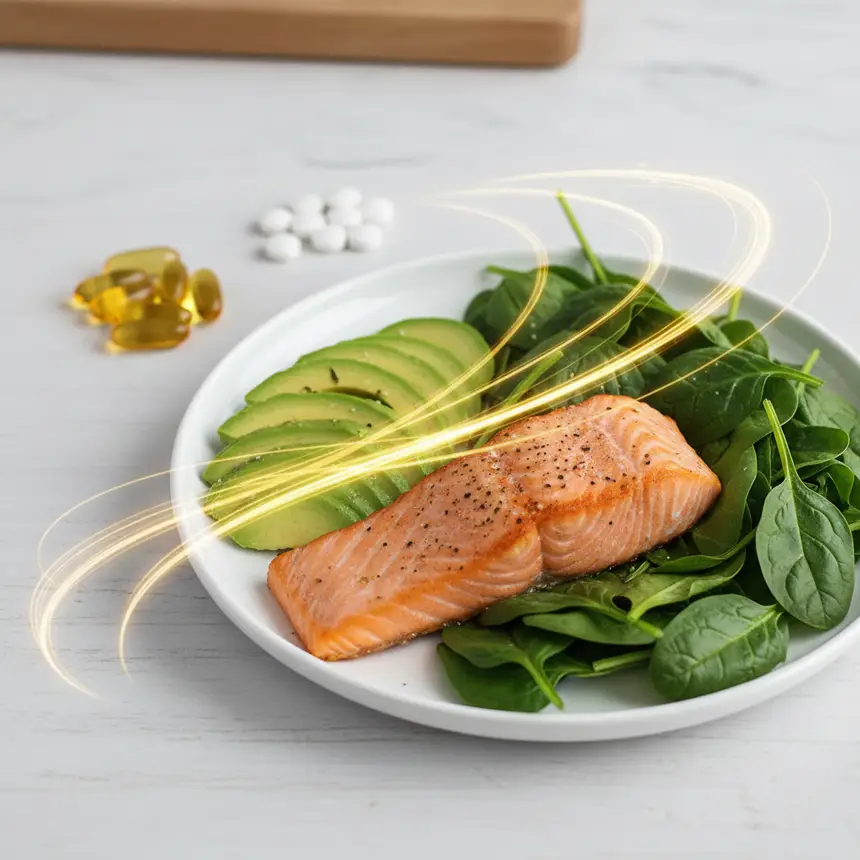
To effectively boost your intake of essential nutrients, it's vital to understand each one's unique characteristics and follow proper consumption guidelines. First, Omega-3 fatty acids, primarily composed of EPA and DHA, are best chosen with an eye toward their absorption rate. Since their absorption improves when consumed with fats, it's generally advised to take them right after a meal. Swallowing with plenty of water makes it easier, and establishing a routine of taking them with the same meal daily helps ensure consistency. Second, Vitamin D, often called the 'sunshine vitamin,' is particularly important for those who spend most of their time indoors. As Vitamin D is fat-soluble, consuming it with a fat-containing meal will enhance its absorption. Typically, a single daily dose is sufficient, and designating a specific mealtime (e.g., after dinner) can make it easier to remember. Lastly, Vitamin E, a powerful antioxidant, helps protect Omega-3 fatty acids from oxidation, creating a synergistic effect when taken together. Vitamin E is also fat-soluble, so like other fat-soluble nutrients, it's best taken with a meal. Always adhere to the recommended daily dosages for each nutrient; excessive intake can lead to digestive discomfort, so it’s crucial to follow the instructions provided on the product label.
※ This post contains affiliate links. I may earn a commission at no extra cost to you.


H2. Reclaiming Your Vitality Through Consistent Daily Nutrient Management
Even the most beneficial nutrients won't reach their full potential without consistent intake. Developing a sustainable strategy for incorporating essential nutrients like Omega-3, Vitamin D, and Vitamin E into your daily routine is key. One of the most effective methods is 'habit formation.' For instance, create your own routine: take Omega-3 with a glass of water after breakfast, and then take Vitamin D and Vitamin E after dinner. Initially, setting alarms or placing your supplements in a highly visible spot during meals can serve as helpful reminders. Over time, you'll likely find yourself reaching for them naturally, without needing any prompts. As these consistent efforts accumulate, you may notice positive changes like feeling lighter, experiencing increased daily energy, or improved focus. Rather than expecting instant results, approaching nutrient management with a long-term perspective will help you build a solid foundation for a healthier, more vibrant life.
Frequently Asked Questions
Q. Is there a specific reason why it's beneficial to take Omega-3, Vitamin D, and Vitamin E together?
A. Yes, these three nutrients can complement each other's functions and create a synergistic effect. Omega-3 contributes to inflammation regulation and brain health, while Vitamin D is crucial for immune function and bone health. Vitamin E, as a powerful antioxidant, can help protect Omega-3 fatty acids from oxidation, thus potentially enhancing their benefits.
Q. When is the most effective time of day to take each of these nutrients?
A. Since Omega-3, Vitamin D, and Vitamin E are all fat-soluble nutrients, taking them during or immediately after a meal is most effective for absorption. It's generally recommended to choose times you can consistently remember, such as Omega-3 after breakfast, and Vitamin D and Vitamin E after dinner.
Q. What should I consider when choosing these nutritional supplements?
A. It's wise to check for product purity, highly absorbable forms (e.g., high EPA/DHA content for Omega-3), and minimal unnecessary additives. Also, ensure the dosage is appropriate for your health status and needs, and always adhere to the recommended serving size indicated on the product label.
Q. Is it difficult to get enough Omega-3, Vitamin D, and Vitamin E from diet alone?
A. Given modern dietary habits and lifestyles, it can indeed be challenging to consume sufficient amounts of these nutrients through diet alone, even with a balanced meal plan. Omega-3 is abundant in fatty fish, but daily consumption can be difficult. Vitamin D deficiency is common when sun exposure is limited. While Vitamin E is plentiful in nuts and seeds, obtaining adequate amounts solely from diet may not always be easy.