Hair health reflects your internal nutrition. Learn how to foster strong, shiny hair by consuming essential nutrients like protein, iron, and Omega-3s.

The Mirror's Gaze: Starting Your Hair Health Journey
Ever woken up to find more hair than usual on your pillow, or noticed your hairline seems a little less dense than it used to be? These moments often spark a familiar concern about hair health. While the market is flooded with countless hair products promising miracles, the truth is that truly strong, vibrant hair isn't just about what you put on it. It's fundamentally about what you put in your body. Lustrous, full hair isn't solely a genetic lottery win; it's often a direct reflection of consistent internal nourishment.
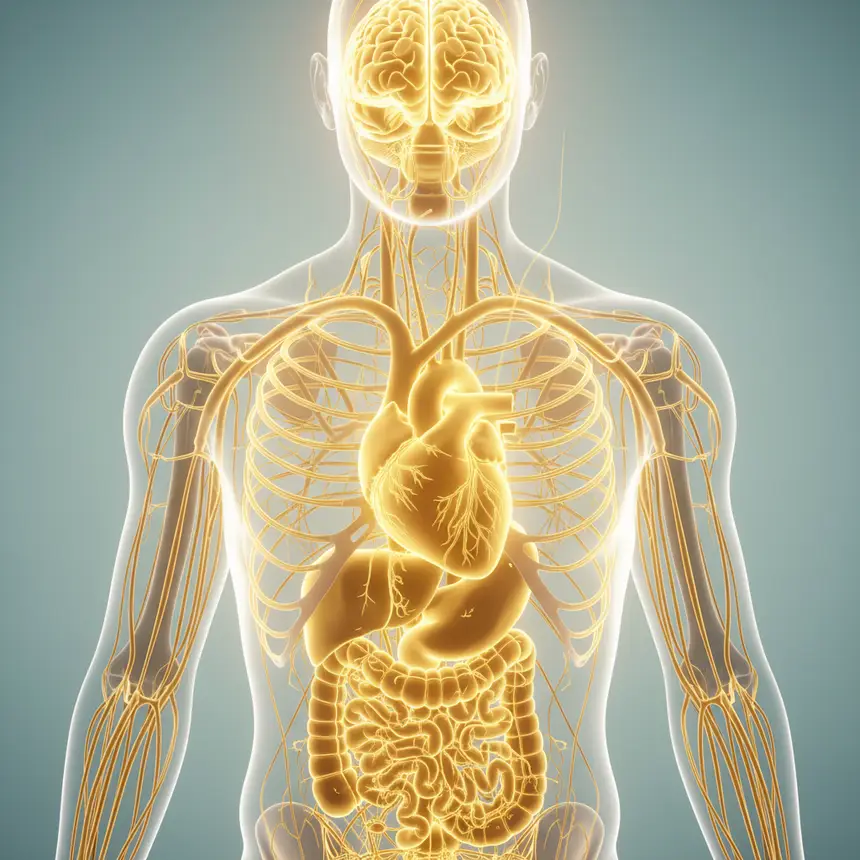
How Modern Diets Impact Your Hair's Vitality
In our fast-paced modern lives, convenience often trumps nutritional quality. Relying heavily on processed and fast foods is common, but this dietary pattern frequently leads to deficiencies in essential nutrients like vitamins, minerals, and proteins—all crucial for hair growth. Our bodies prioritize vital organs for nutrient distribution, so when supplies are low, less critical areas like hair can suffer first. Beyond diet, chronic stress, insufficient sleep, and hormonal shifts (such as during pregnancy, postpartum, or menopause) can weaken hair follicles and disrupt the hair growth cycle, leading to thinning and increased shedding.
※ This post contains affiliate links. I may earn a commission at no extra cost to you.

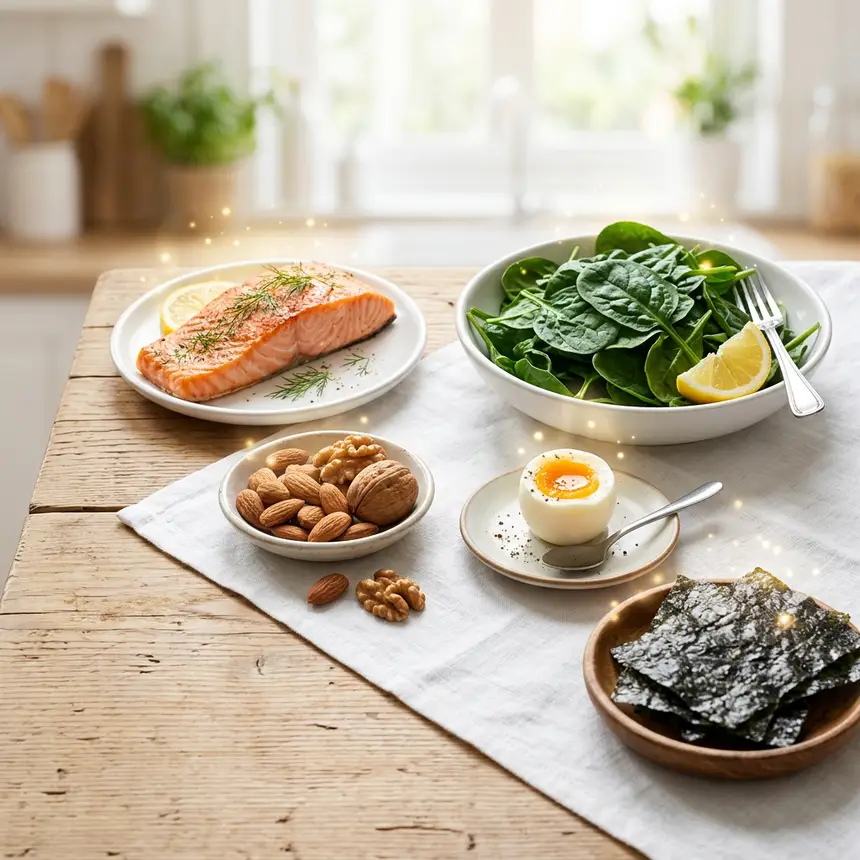
Key Nutrients and Foods for Optimal Hair Health
The foundation of strong hair lies in adequate protein intake, as hair is primarily made of keratin. Ensure you're getting high-quality protein from sources like lean meats, fish, legumes, and eggs. Iron is vital for proper blood circulation to the scalp and oxygen delivery to hair follicles; find it in spinach, kale, red meat, and lentils. Omega-3 fatty acids help reduce scalp inflammation and maintain hair's natural shine, plentiful in fatty fish like salmon and mackerel, as well as flaxseeds. Micronutrients like biotin, zinc, selenium, and iodine are also indispensable for hair strength and growth. Incorporate nuts, seeds, and sea vegetables into your diet to cover these bases.
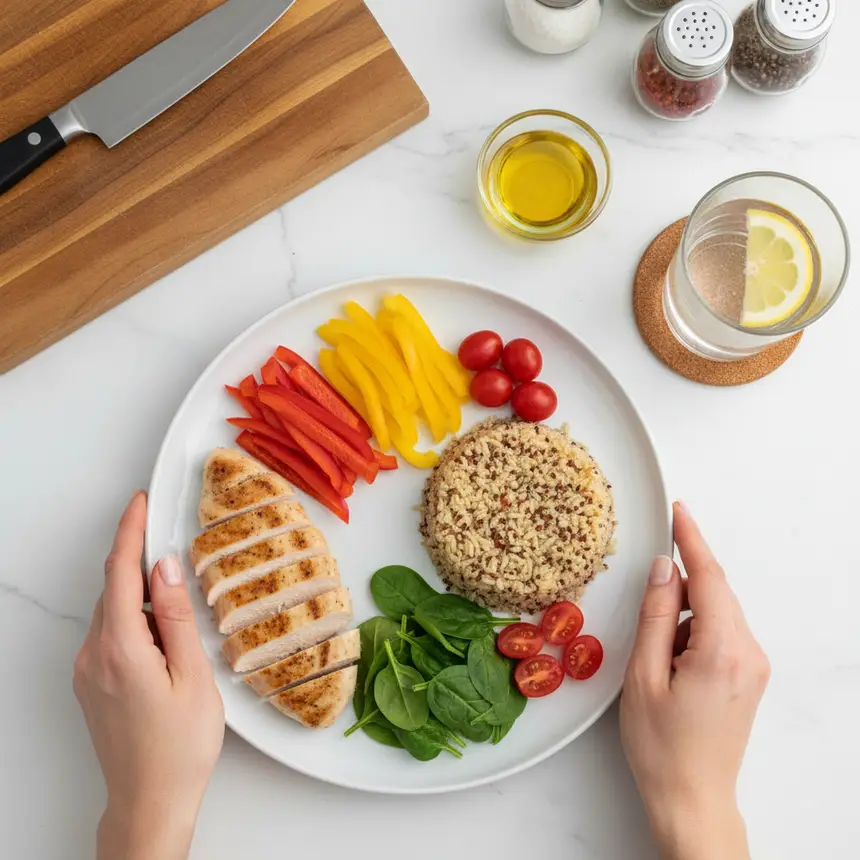
Practical Steps for Nurturing Your Hair Daily
Taking care of your hair's nutritional needs doesn't have to be complicated. Simple, consistent habits can make a significant difference.
- Start your day with a protein-rich breakfast, like eggs or Greek yogurt with fruit, to fuel your follicles.
- Aim for balanced meals that include a rainbow of vegetables, whole grains, and a quality protein source (like chicken breast or tofu) at lunch and dinner.
- For snacks, ditch processed options and reach for a handful of nuts, seeds, or fresh fruit.
- Staying hydrated is key for scalp and hair health; make sure to drink 6-8 glasses of water daily.
- Manage stress through regular exercise, sufficient sleep, or mindfulness practices, as stress can negatively impact hair cycles.
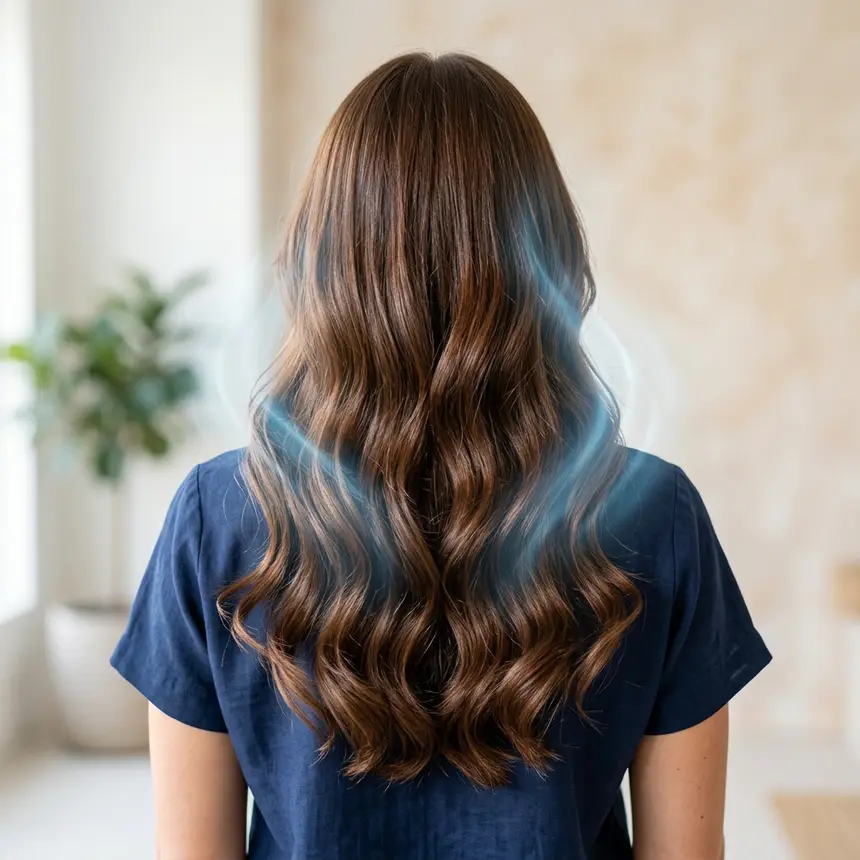
Investing in Your Hair, Investing in Yourself
Your hair serves as a visible barometer of your overall health. By focusing on your internal well-being rather than just external appearance, you naturally cultivate stronger, more vibrant hair. Start today by supplying your hair with the nourishment it needs and embracing healthier lifestyle habits. Consistent effort and attention will undoubtedly revitalize your locks. Embark on this journey for healthier hair now, and discover a more confident you looking back from the mirror!
Frequently Asked Questions
Q. What are the most crucial nutrients for healthy hair?
A. Protein, as the main building block of hair, is paramount. Iron is essential for scalp circulation, Omega-3 fatty acids benefit scalp health, and micronutrients like biotin, zinc, and iodine are all vital for hair growth and strength.
Q. Are there specific foods or habits I should avoid for better hair?
A. Highly processed foods, excessive sugar, and foods high in saturated fats can contribute to nutritional imbalances and inflammation, which are detrimental to hair. Irregular eating patterns and extreme dieting should also be avoided.
Q. Can taking supplements help improve my hair health?
A. A balanced diet is always the priority. However, if you have specific deficiencies (like biotin, Vitamin D, or iron) that diet alone can't address, consulting a healthcare professional about supplements might be beneficial. Supplements should complement, not replace, a healthy diet.
Q. I'm experiencing sudden hair loss; could there be causes other than diet?
A. Yes, definitely. Factors such as stress, hormonal imbalances (e.g., pregnancy, thyroid issues), certain medications, scalp conditions, and genetics can all contribute to hair loss. It's best to consult a professional to identify the exact cause.
Q. How long does it take to see results from eating hair-healthy foods?
A. Hair has a natural growth cycle, so immediate results aren't realistic. Typically, with consistent adherence to a healthy diet for at least 3 to 6 months, you can gradually expect to see improvements in hair quality and encourage new hair growth.