Are you experiencing discomfort from daily leg swelling and heaviness? Understand the role of weakened vein valves in poor circulation, and discover how diet, exercise, and lifestyle improvements can help you regain vibrant, healthy legs.

H2. Don't Dismiss Heavy, Fatigued Legs as Just Another Day
Many of us can relate to the feeling of our legs turning into lead by the end of the day, or waking up with normal legs only for them to swell noticeably by evening. Sometimes, shoes feel tight, or sock marks seem unusually deep. It's easy to brush off these discomforts as temporary fatigue. However, these sensations can often be linked to issues within our body's vital circulatory system, particularly impaired blood flow in the legs. These easily overlooked signs might be early indicators of venous health problems, like venous insufficiency. Paying attention to even subtle changes in your legs is crucial for maintaining overall well-being.
H2. Leg Swelling and Poor Circulation: A Problem Starting Beneath the Surface
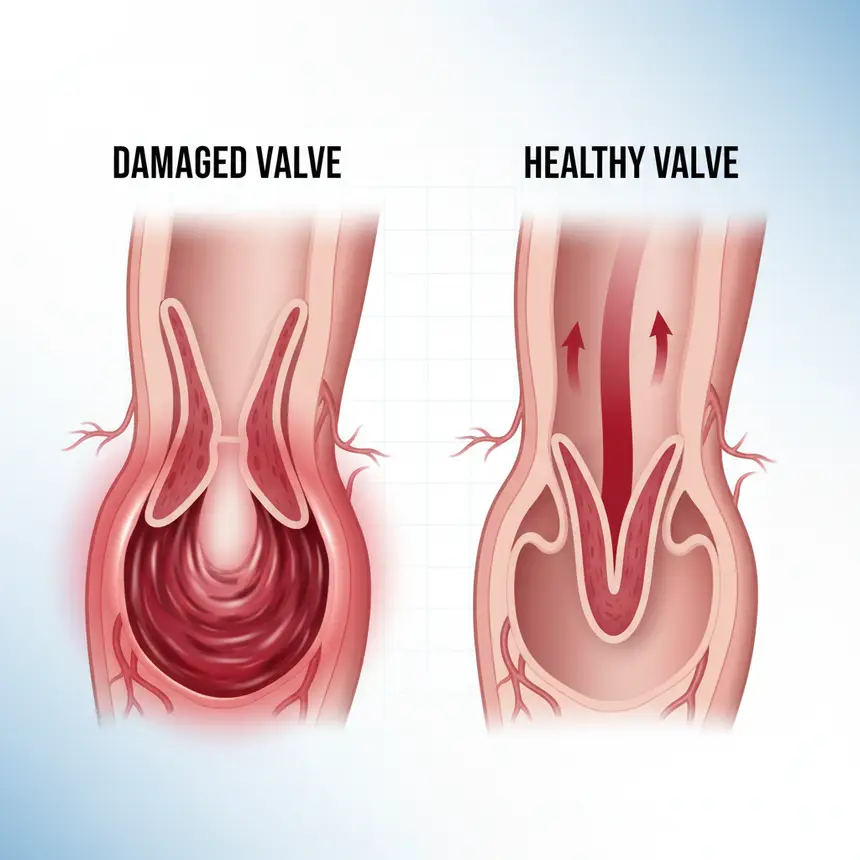
One of the primary reasons for heavy, swollen legs is often a weakening of the valves inside your leg veins. These venous valves play a crucial role in preventing blood from flowing backward due to gravity, ensuring it moves efficiently towards the heart. When these valves don't function optimally, blood can pool in the lower extremities, leading to increased pressure within the veins. This can hinder proper blood circulation. Even if there are no visible external signs, your venous system might already be under significant strain. Initially, symptoms might be more about dull aches, a feeling of weakness in the legs, or noticeable leg swelling in the evening that subsides by morning.If these patterns become recurrent, it's a clear signal to pay closer attention to your vein health.
※ This post contains affiliate links. I may earn a commission at no extra cost to you.

H2. Everyday Solutions for Healthier Legs: Diet, Exercise, and Key Nutrients
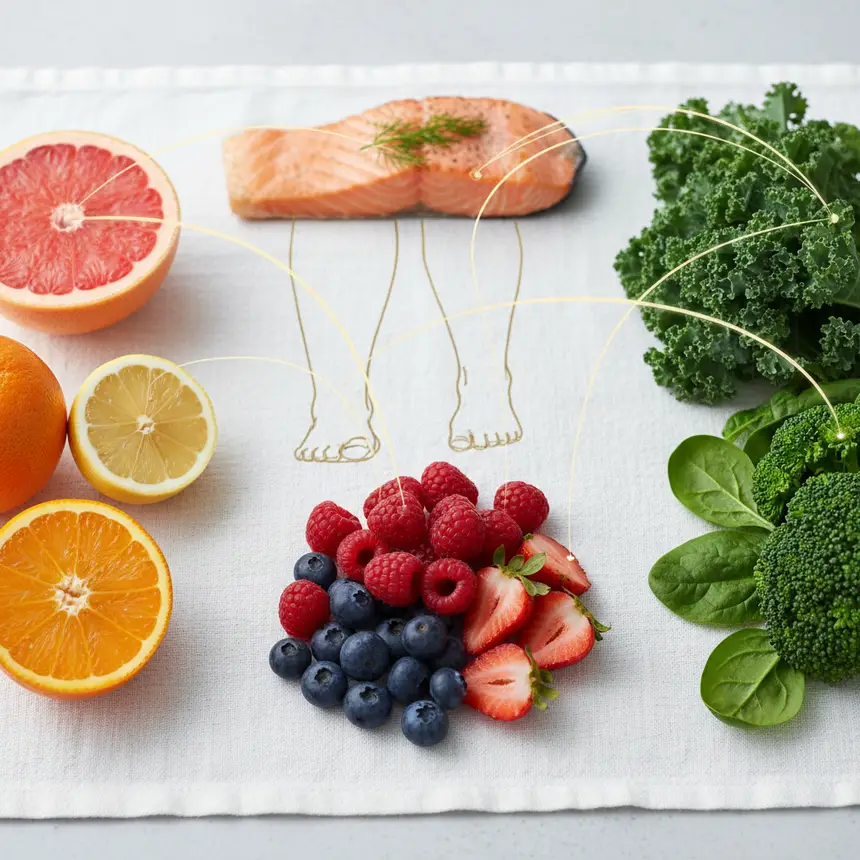
Improving leg health and circulation fundamentally starts with lifestyle adjustments. First, diet plays a key role: ensure you drink plenty of water, reduce sodium intake, and consume potassium-rich fruits and vegetables like bananas and spinach. Foods rich in antioxidants, such as flavonoids found in berries and citrus fruits, can also positively impact vascular health. Second, consistent exercise is vital for promoting blood flow. Engage in aerobic activities that activate leg muscles, like walking, swimming, or cycling, and incorporate calf-strengthening exercises such as calf raises. Third, consider nutrients that support vascular health. For instance, Omega-3 fatty acids can help maintain healthy blood flow, and minerals like magnesium can contribute to reducing muscle cramps. Before considering more intensive approaches, try integrating these practical methods into your daily routine.
H2. Daily Routines to Reclaim Lightness in Your Legs
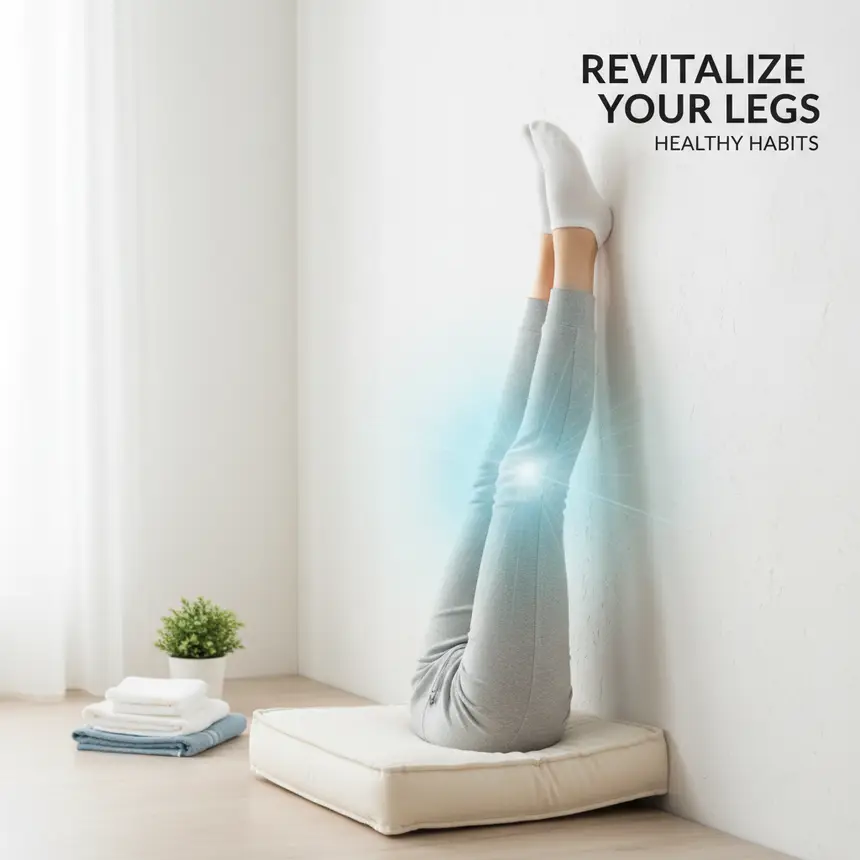
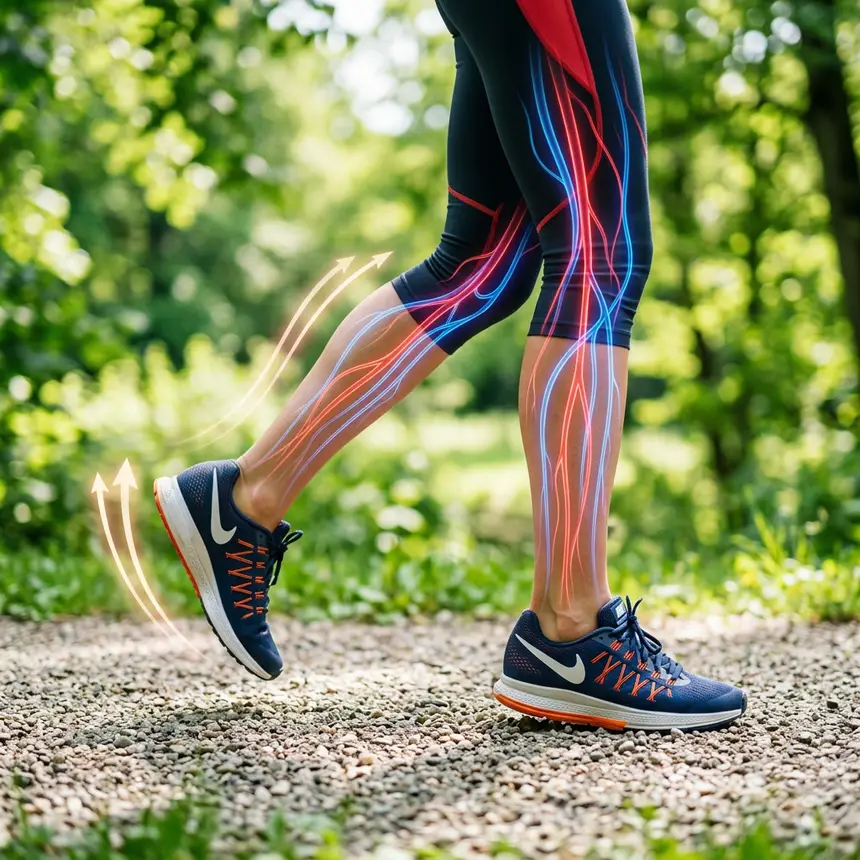
Transforming your leg health doesn't require drastic changes; it begins with small, consistent habits. If you need to stand or sit for long periods, take frequent breaks to rotate your ankles or perform light stretches to keep your leg muscles active. Before bed, elevating your legs above heart level for about 15 minutes can help pooled blood return to circulation. Regular walking strengthens your calf muscles, enhancing their natural pumping action that pushes blood upward. Maintaining a healthy weight reduces the strain on your legs, benefiting vein health. Opt for comfortable shoes and avoid tight clothing that might restrict blood flow. Consistently practicing these routines can significantly reduce leg fatigue and effectively manage discomfort associated with poor circulation.
H2. Consistent Care for a Lighter Step Ahead
Swelling and heaviness in your legs can diminish your daily vitality and impact your quality of life. However, with consistent attention and the right lifestyle choices, these issues can be significantly improved and managed. Starting today, embrace healthy eating, regular physical activity, and small daily habits that support your leg health. While changes might seem minor at first, persistence will ultimately lead to lighter, more comfortable legs. Take the first step towards a future filled with energetic strides. Your legs will certainly thank you for the effort.
Frequently Asked Questions
Q. What are some immediate remedies for severe leg swelling?
A. When experiencing significant leg swelling, lie down and elevate your legs above your heart, or perform simple ankle rotation exercises. Applying a cool compress or wearing compression socks can also provide temporary relief.
Q. Can specific nutrients help improve leg circulation?
A. Yes, nutrients beneficial for vascular health include flavonoids (found in berries, citrus), Omega-3 fatty acids (from fatty fish), potassium (bananas, leafy green vegetables), and magnesium. It’s important to incorporate these adequately into your diet.
Q. What lifestyle habits should I avoid to prevent poor leg circulation?
A. Prolonged standing or sitting in one position, wearing tight clothing or shoes, consuming high-sodium and greasy foods, and smoking can all negatively impact blood circulation. It's best to avoid these habits.