Skin elasticity loss and the appearance of aging signs are common concerns as we age. Discover realistic strategies and effective management techniques to maintain healthy, vibrant skin through non-surgical methods.

The Inevitable Марk of Time: Understanding Skin Aging and Its Emotional Impact
It’s a moment many of us experience: catching a glimpse of ourselves in the mirror and realizing our skin doesn't quite reflect the youthful vibrancy we remember. Skin aging is a natural, unavoidable process, but its effects—like diminishing elasticity, the appearance of fine lines, and sagging—can significantly alter our appearance. This shift from taut, lively skin to skin marked by time can often lead to a dip in self-confidence and even affect our social interactions. It's more than just a cosmetic concern; these changes can deeply impact our psychological well-being and overall quality of life. Many find themselves hitting a wall with drugstore creams or at-home devices, seeing little to no significant change. This often prompts a search for more advanced, professional solutions. The first step towards meaningful change is often simply acknowledging these concerns and pinpointing what aspects of your skin you most wish to improve.
Rebuilding Firmness from Within: Principles and Types of Non-Surgical Lifting
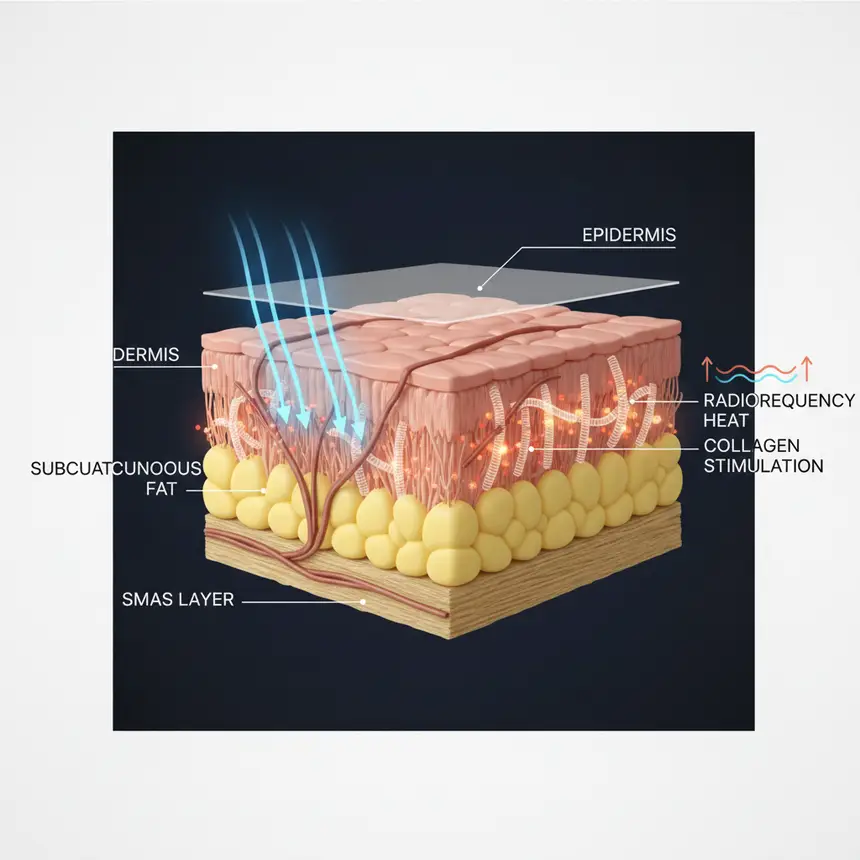
The primary culprits behind skin aging are the gradual decline of collagen and elastin fibers, coupled with the weakening of the superficial muscular aponeurotic system (SMAS) layer deep within the skin. These factors reduce skin density and support, leading to sagging and wrinkles. Fortunately, non-surgical methods for restoring skin elasticity have advanced significantly, attracting widespread interest. Common techniques involve using ultrasound energy or radiofrequency heat. These treatments deliver energy deep into the skin without damaging the surface, stimulating collagen production and tightening loosened tissues. For instance, certain ultrasound devices target the SMAS layer at depths of 3-4.5mm, delivering focused thermal energy to coagulate tissue and induce a lifting effect. Radiofrequency devices, on the other hand, heat the dermal layer to contract existing collagen fibers and promote the synthesis of new collagen. Another approach involves inserting medical-grade threads beneath the skin to physically lift sagging areas and encourage collagen production around the threads. Since each method works through different mechanisms and targets various skin depths, it's crucial to select the approach best suited to your specific skin condition and concerns. Familiarizing yourself with the basic principles of how each treatment works can greatly enhance your consultation with a specialist.
※ This post contains affiliate links. I may earn a commission at no extra cost to you.

Finding Your Personalized Path: Expert Advice for Safe and Effective Skin Firming
The most critical aspect of your journey toward improved skin elasticity is discovering the method that’s right for you. Every individual’s skin is unique, and the way it ages varies from person to person. Therefore, simply following the latest trend isn’t the most effective strategy. Instead, a personalized plan tailored to your skin type, the extent of aging, and your desired outcomes is essential. This necessitates a thorough consultation with a qualified medical professional. Under the guidance of an experienced specialist, you can accurately assess your skin condition and gain a comprehensive understanding of each treatment’s benefits, limitations, and expected results. During your consultation, be open about your skin concerns, lifestyle habits, and any past treatments; this transparency helps in formulating the most effective and safest plan. Post-treatment care is equally vital. Consistent use of sunscreen, diligent moisturizing, and healthy lifestyle choices—like a balanced diet, adequate sleep, and stress management—play a significant role in maintaining treatment results and preserving long-term skin health. Remember, beautiful skin isn't a one-time fix but rather a continuous investment in consistent care and attention.
Frequently Asked Questions
Q. When is the ideal time to start non-surgical lifting treatments?
A. The timing largely depends on individual skin condition and the progression of aging. While a decrease in skin elasticity can begin in the late 20s, many consider treatments in their mid-30s and beyond, either for preventative measures or to address visible signs of aging. Consulting with a professional can help determine the best timing for your specific needs.
Q. How long do the effects of non-surgical lifting treatments typically last?
A. The duration of effects varies based on the treatment type, individual skin characteristics, and lifestyle. Most non-surgical lifting treatments can maintain their effects for 6 months to over a year. However, results are not permanent, and consistent care along with periodic touch-ups can help extend their longevity.
Q. Besides professional treatments, what can I do at home to improve skin elasticity?
A. Incorporating antioxidant-rich foods into a balanced diet and drinking plenty of water (eight glasses or more daily) are crucial for skin hydration. Adequate sleep and stress management support skin regeneration. Additionally, diligently applying sunscreen when outdoors is one of the most fundamental ways to prevent premature skin aging.
Q. With so many non-surgical lifting options available, how do I choose the right one?
A. Different non-surgical treatments like ultrasound, radiofrequency, and thread lifts have distinct mechanisms and outcomes. The best choice depends on factors like the degree of skin laxity, primary areas of concern, and skin sensitivity. It is vital to consult with an experienced medical professional to determine the most suitable treatment for you.
Q. What specific aftercare steps should I take following a non-surgical lifting procedure?
A. While specific advice varies by treatment, general recommendations include avoiding direct sun exposure and intense heat (like saunas or hot tubs) immediately after the procedure. It's also important to avoid rubbing or irritating the treated area. Focusing on hydration and regenerative care will support healing and help maintain the treatment's effectiveness.