Are cold hands, numb feet, and swollen legs making your daily life uncomfortable? Discover practical ways to improve your body's circulation through simple lifestyle changes. Take the first step towards a more vibrant, healthy you.

More Than Just Chill: When Cold Extremities and Heavy Legs Signal Deeper Issues
Waking up with icy hands and feet, feeling your legs swell by afternoon, or experiencing painful cramps and numbness at night—these are common complaints. It's easy to dismiss them as just fatigue or the weather. However, if these symptoms persist, they might be signals from your body's vital circulatory system. Many people, especially women or those who tend to feel cold, experience these issues more frequently. If you constantly feel heavy, easily tired, and struggle to shake off fatigue, the information ahead might be particularly helpful. Impaired blood flow can significantly reduce your overall physical vitality.

The Stagnant Flow: Understanding the Roots of Your Discomfort
Blood plays a crucial role in our bodies, delivering oxygen and nutrients to every cell while removing waste products. When this vital flow is disrupted, we call it a 'circulatory challenge.' A sluggish or obstructed blood flow can manifest in various uncomfortable physical symptoms:
- Hands and feet that feel persistently icy or numb.
- Legs that feel heavy, swell easily, experience numbness, or even lead to nighttime muscle cramps.
- Persistent stiffness and tension in the shoulders and neck.
- Changes in skin texture, appearing rough or dull, and a generally lackluster complexion.
※ This post contains affiliate links. I may earn a commission at no extra cost to you.


Reinvigorating Your Flow: Dietary Choices, Movement, and Pressure Points
To foster healthy blood circulation, a multifaceted approach is often most effective. By adjusting your diet, engaging in regular physical activity, and utilizing beneficial pressure points, you can help restore your body's natural vigor.
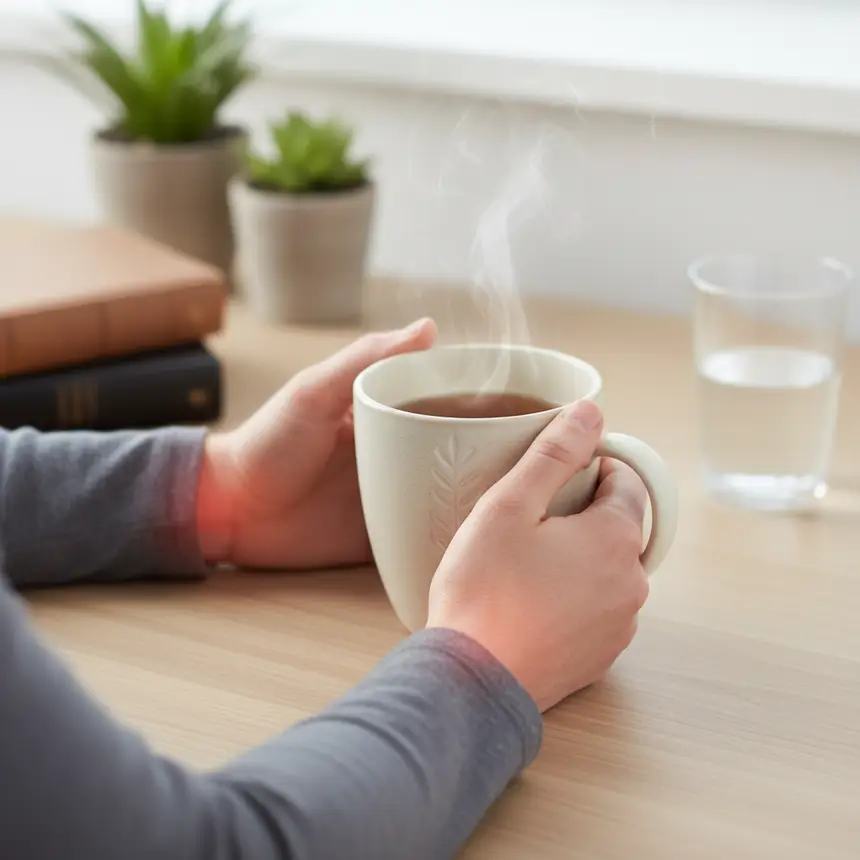
- Warming Foods for Better Flow: Incorporating foods that naturally warm the body and support blood circulation is beneficial. For example, ingredients like garlic, ginger, and cinnamon have warming properties that can aid in improving flow. Certain grains, such as black beans, can also contribute to overall bodily balance. Make it a habit to reduce consumption of cold drinks and ice cream, opting instead for lukewarm or warm water throughout the day.
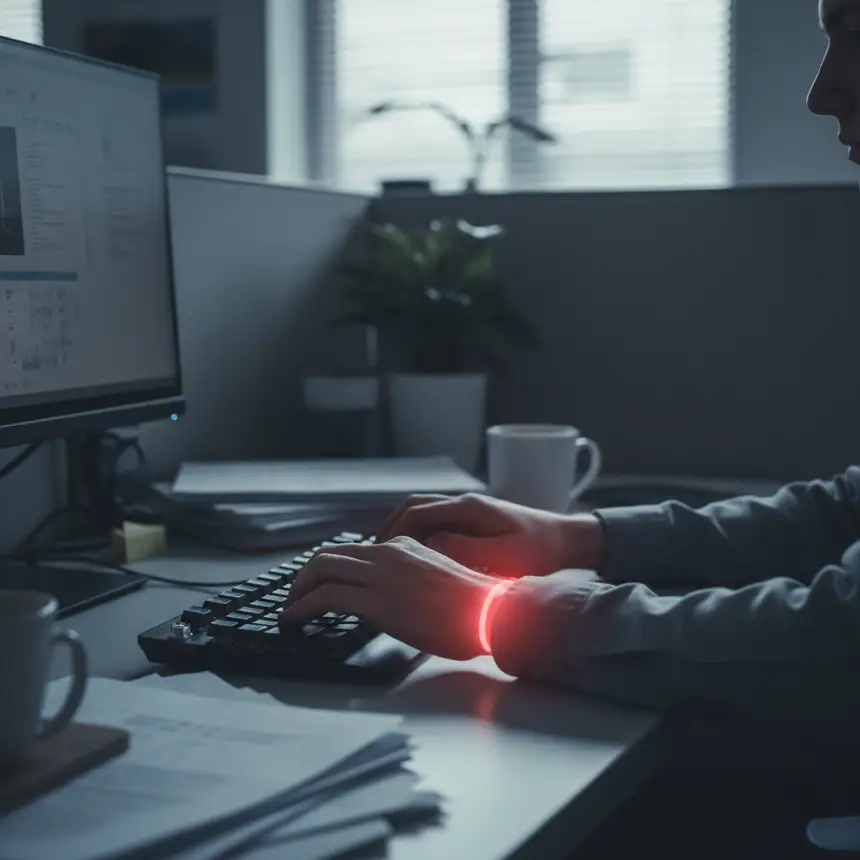
- Movement to Mobilize Blood: Gentle cardiovascular exercise is highly effective in activating systemic blood circulation. Just 30 minutes daily of walking, stretching, yoga, or light resistance training can enhance blood vessel flexibility and promote smoother blood flow. If your daily routine involves prolonged sitting, it's especially important to take regular breaks to stand and move around.
- Pressure Points for Circulation Support: Stimulating specific points on the body can help encourage energy and blood flow. For instance, gently pressing areas like 'Zusanli' (located on the outer calf, below the knee), 'Sanyinjiao' (found above the inner ankle bone), or 'Taichong' (on the top of the foot between the big toe and the second toe) can contribute to better blood circulation. Applying gentle finger pressure or a warm compress to these areas can be quite soothing and beneficial.

Everyday Habits for Optimal Circulatory Health
Improving blood circulation doesn't require drastic changes. Small, consistent daily habits can accumulate to create significant positive effects.
- Prioritize Body Warmth: It's crucial to keep your body consistently warm. If you frequently experience cold hands and feet, consider wearing gloves or socks, and dress in layers indoors to maintain your core temperature. Avoid direct exposure to cold drafts, and always dry your body thoroughly after showering to prevent heat loss.
- Master Stress Management: Stress is a major culprit that constricts blood vessels and impedes circulation. Find and consistently practice stress-relief techniques that work for you, such as deep breathing exercises, meditation, yoga, or engaging in your favorite hobbies. Maintaining mental peace has a profound positive impact on physical circulation.
- Maintain a Regular Lifestyle Rhythm: Adequate sleep and consistent meal times help stabilize your body's natural rhythms, which in turn supports healthy blood circulation. Be mindful that excessive late nights or irregular eating patterns can disrupt your body's delicate balance.
- Hydration is Key: Water is the primary component of blood. Sufficient water intake reduces blood viscosity, allowing it to flow more freely. Aim to drink about eight glasses of water daily to support optimal circulation.

Embrace Vibrant Health Through Improved Circulation
Symptoms like cold hands, swollen legs, or numbness are more than just minor inconveniences; they are important signals from your body. Ignoring these signs can lead to chronic fatigue, weakened immunity, and even various pain issues over time. If you often feel cold, unusually tired, or experience persistent tingling, it's more beneficial to investigate and improve your body's circulatory state rather than simply dismissing it as 'just how you are.'
Starting today, consider integrating small changes into your routine, such as consuming warming foods, engaging in regular movement, and actively managing stress. These efforts can significantly enhance blood flow and help restore your body's natural vitality. Healthy circulation paves the way for more energetic days and more restful nights. Your body responds best when you give it the attention it deserves. Take action now to cultivate healthy habits for better circulation.
Starting today, consider integrating small changes into your routine, such as consuming warming foods, engaging in regular movement, and actively managing stress. These efforts can significantly enhance blood flow and help restore your body's natural vitality. Healthy circulation paves the way for more energetic days and more restful nights. Your body responds best when you give it the attention it deserves. Take action now to cultivate healthy habits for better circulation.
Frequently Asked Questions
Q. My hands and feet are always cold. Should I keep them warm even in summer?
A. Yes, even in summer, indoor air conditioning can lower your body temperature. It's advisable to wear light layers or socks to maintain warmth. Opting for lukewarm water instead of cold beverages is also more beneficial for circulation.
Q. What can I do at home for severe leg swelling and numbness?
A. Elevating your legs above your heart while resting can be helpful. Soaking your feet in warm water or gently massaging your legs can also promote blood flow. However, if symptoms persist or worsen, it's important to consult a healthcare professional.
Q. Are there specific foods particularly good for blood circulation?
A. Foods with warming properties like garlic, ginger, and cinnamon are beneficial. Berries and dark chocolate, rich in antioxidants, can also support blood vessel health. A balanced diet with plenty of vegetables is always recommended.
Q. Does stress affect blood circulation?
A. Yes, stress activates the sympathetic nervous system, which can constrict blood vessels and raise blood pressure, thereby hindering blood circulation. Managing stress through regular relaxation, deep breathing, and meditation is crucial.
Q. What types of exercises are best for improving circulation?
A. Aerobic exercises like walking, jogging, and swimming are effective in boosting overall blood circulation. Yoga and stretching enhance flexibility and relieve muscle tension, aiding blood flow. Even simple movements like ankle rotations or wiggling your toes while seated can be beneficial.