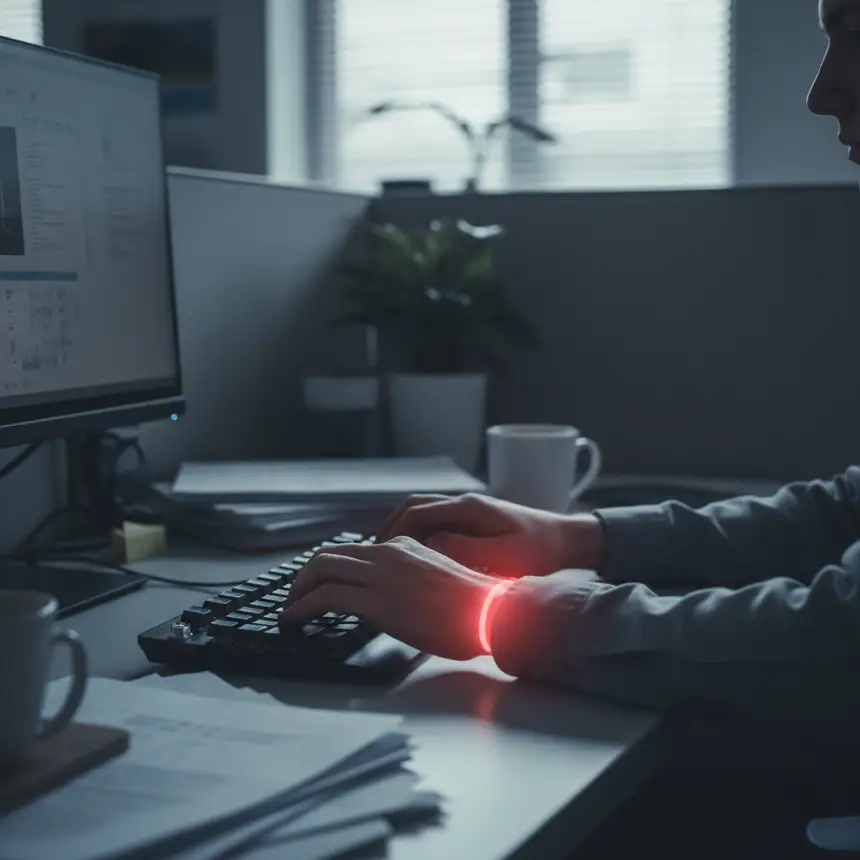
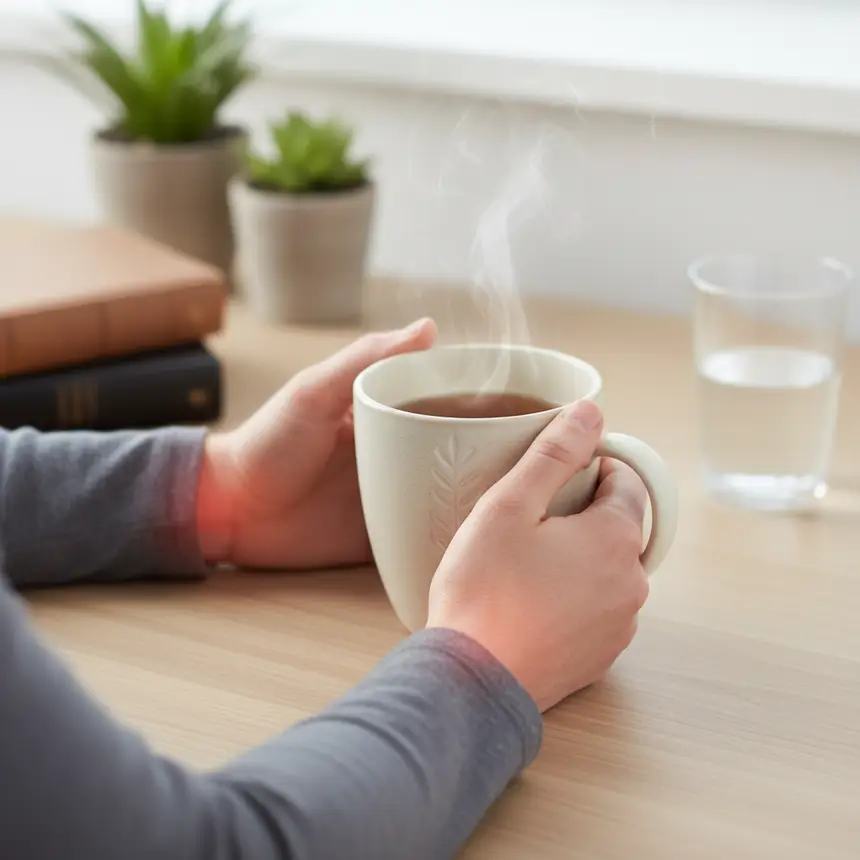
Tingling hands and swollen feet can signal peripheral circulation issues. Discover effective strategies through diet, exercise, and lifestyle changes to alleviate discomfort and boost your overall vitality.

Your Extremities Are Talking: Don't Ignore the Signals
Have you ever experienced cold hands or feet, persistent tingling, or noticeable swelling without an obvious reason? Many of us tend to dismiss these as minor inconveniences, perhaps attributing them to a long day or simple fatigue. However, these seemingly small issues could be important messages from your body, particularly signaling a challenge with peripheral circulation. This refers to the blood flow to your extremities, like your fingers and toes. Recognizing and addressing these signs early is crucial for maintaining your overall vitality and enjoying a comfortable daily life. Sensations of numbness, throbbing, or a heavy, swollen feeling in your limbs might just be your body asking for better blood flow. Let's delve into why these symptoms occur and practical strategies to alleviate them.

Unraveling the Roots of Cold Extremities and Swelling
Peripheral circulation issues stem from various factors, often linked to the diminished function of the tiny blood vessels responsible for delivering oxygen and nutrients to the furthest parts of our body. A significant contributor in modern life is sedentary behavior. Prolonged sitting or standing can impede blood flow, especially to the lower limbs, leading to stagnation that manifests as swelling and numbness. Furthermore, an unbalanced diet can negatively impact vascular health, potentially increasing blood viscosity or reducing the flexibility of vessel walls. Deficiencies in certain nutrients or excessive sodium intake also hinder optimal circulation. Lifestyle choices like smoking severely constrict blood vessels and damage their linings, making blood flow even more challenging. Even stress can tense up blood vessels, adversely affecting circulation. Muscle tension and imbalances can also compress blood vessels, restricting flow to peripheral areas and causing discomfort. It's often a combination of these factors that leads us to experience tingling and swelling in our hands and feet.
※ This post contains affiliate links. I may earn a commission at no extra cost to you.


Dietary and Lifestyle Tactics for Robust Circulation
To alleviate symptoms like tingling limbs and swelling, and to restore vigorous blood flow, changes in diet and lifestyle are fundamental. First, actively incorporating foods beneficial for vascular health is paramount. Foods rich in omega-3 fatty acids, such as fatty fish, nuts, and seeds, can help promote smoother blood flow. Regularly consuming berries, leafy green vegetables, and onions, which are packed with antioxidants like flavonoids, can help protect blood vessel walls and reduce inflammatory responses. Regular physical activity remains one of the most effective ways to boost circulation. Just 30 minutes of light walking or stretching daily can significantly help relax constricted vessels and improve blood flow. Your calf muscles are often called your 'second heart' due to their critical role in circulation, so consistent calf stretches or ankle rotations are highly recommended. Lastly, adequate hydration helps thin the blood, facilitating a more effortless flow throughout your system.

Your Daily Routine for Better Blood Flow: Start Today
Even small adjustments in your daily routine can significantly reduce discomfort from peripheral circulation issues and boost your overall body vitality. Here’s a simple routine you can adopt: First, make 'ankle pump exercises' a regular habit. While sitting or lying down, repeatedly flex and point your ankles vigorously. This motion stimulates your calf muscles, effectively helping to pump blood back towards your heart. Second, embrace 'micro-stretches.' If you sit or stand for long periods, stand up every hour, move gently, and perform soft rotations of your shoulders, neck, wrists, and ankles. Third, consider 'warm therapy.' Soaking your feet in warm water or using a warm compress on tight muscles or cold areas can help dilate blood vessels, promoting smoother blood circulation. Finally, opt for comfortable footwear and avoid overly tight clothing that can restrict blood flow. These small, consistent habits can collectively lead to substantial improvements in your circulatory health.

The Journey to Revitalized Energy: Consistency is Key
Symptoms like tingling, swelling, and coldness in your extremities are crucial warning signs from your body. The discomfort of peripheral circulation issues can diminish your quality of life. However, the simple yet effective strategies we've discussed today—dietary adjustments, regular exercise, and lifestyle improvements—can bring significant relief when practiced consistently. The key isn't a one-time effort, but rather a sustained commitment over time. Just as a plant needs daily care, your body's circulation requires ongoing attention and effort. Through these changes, you can re-energize tired limbs, start your day with a lighter step, and enhance your overall life satisfaction. Healthy circulation is the foundation of a vibrant life. Begin investing in your body today, and you will undoubtedly experience remarkable positive changes.
Frequently Asked Questions
Q. Are tingling hands and feet always a sign of peripheral circulation issues?
A. While tingling and swelling in the hands and feet are common symptoms of poor peripheral circulation, they can also arise from various other causes, such as nerve compression, nutritional imbalances, or specific medical conditions. If symptoms persist or worsen, it's important to consult a healthcare professional to identify the exact cause.
Q. What specific nutrients should I focus on for improving blood circulation through my diet?
A. For better circulation, focus on omega-3 fatty acids, antioxidants like flavonoids, and minerals such as magnesium and potassium. Regularly consuming fatty fish, nuts, seeds, berries, and leafy green vegetables can be particularly beneficial.
Q. What are some easy exercises I can do daily to improve circulation?
A. Light walking, calf stretches, ankle rotations, and frequent stretching to release body tension are all excellent. Ankle pump exercises, in particular, are very effective at activating calf muscles to help return blood to the heart.
Q. How long does it typically take to see improvements from lifestyle changes for circulation?
A. The timeline varies depending on individual conditions and consistency of effort, but most people can expect to feel some symptom relief and overall vitality improvement within a few weeks to a few months of consistent practice. Long-term commitment is more important than short-term intensity.