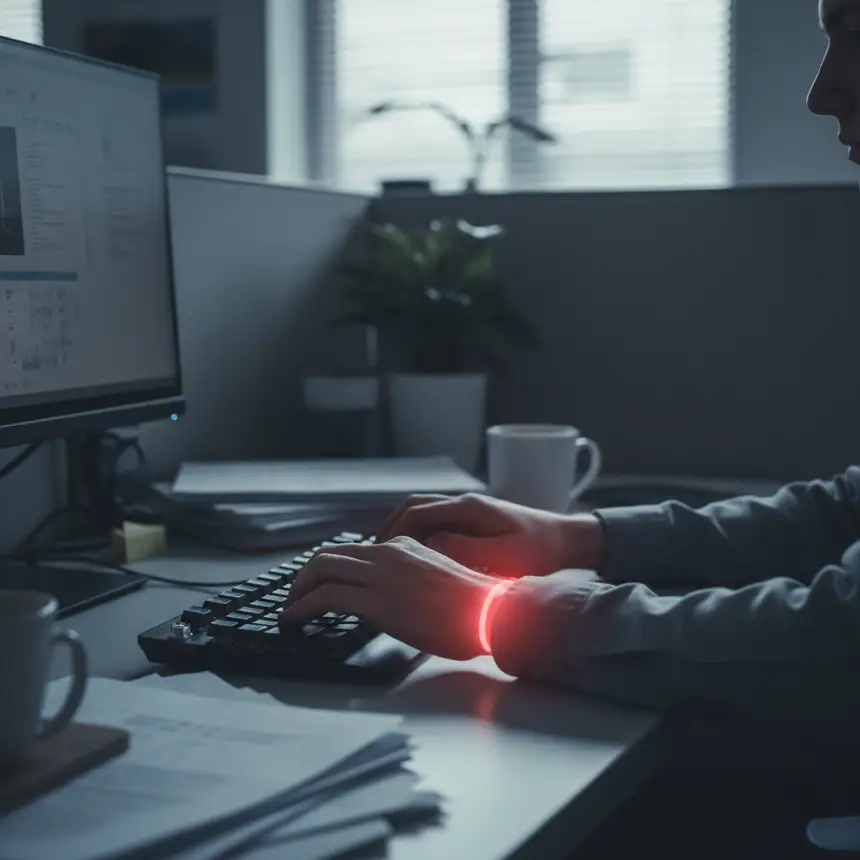
Are persistent leg swelling and fatigue more than just tiredness? Understand the root causes of venous circulation problems and discover effective daily management and improvement strategies.

Is Leg Discomfort More Than Just Fatigue?
Many of us can relate to that feeling at the end of a long day: our legs feel heavy, swollen, and easily fatigued. While mornings might start fresh, by the afternoon, a distinct pulling sensation or a tight pressure around the calves can set in. For those with jobs requiring prolonged standing or sitting, experiencing shoes that suddenly feel too snug or deep sock marks is a common occurrence. These recurring episodes of leg swelling and discomfort shouldn't always be dismissed as just a bad day or temporary tiredness. They could be early warning signs that your vital circulatory system, specifically your leg veins, is under stress. This often points towards conditions like varicose veins. When the tiny valves inside your leg veins don't function properly, blood struggles to return to the heart against gravity and begins to pool in the lower limbs. This leads to increased pressure within the leg veins, which can gradually develop into chronic impaired circulation.
Unraveling the Causes of Poor Leg Circulation and Effective Solutions
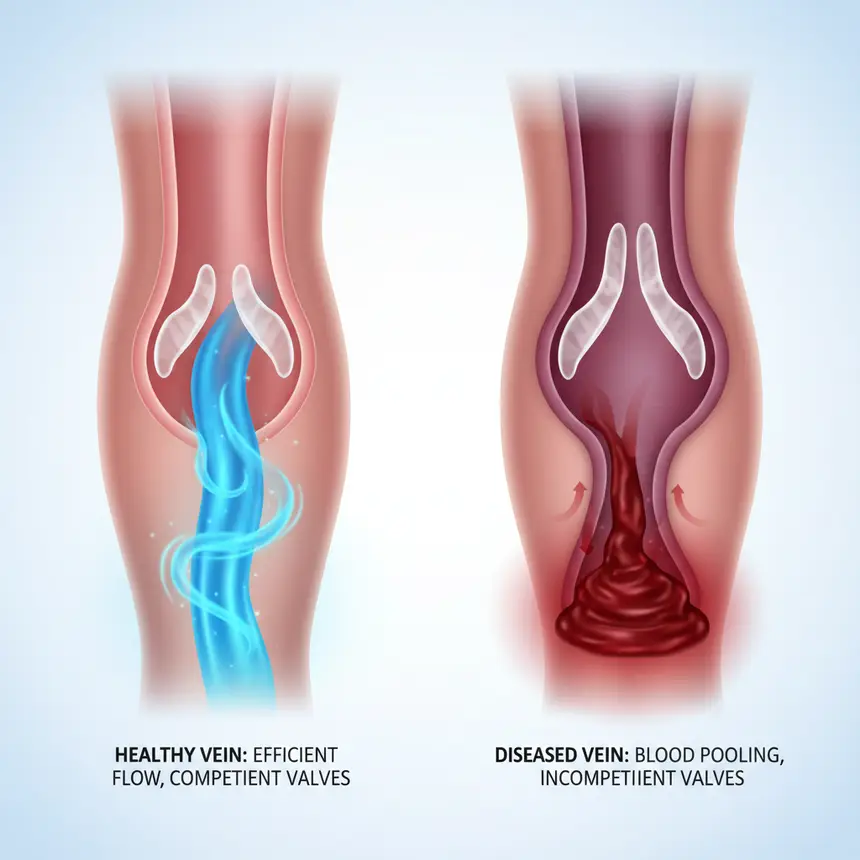
At the heart of leg circulation problems lies the malfunction of venous valves. Healthy valves ensure blood flows efficiently in one direction towards the heart. However, when these valves weaken, blood can reflux downwards, causing it to collect in the veins. Initially, there might be no visible signs, but rather vague discomforts like aching legs, heaviness, nocturnal calf cramps, or a general feeling of easy fatigue. If left unaddressed, these symptoms can worsen, leading to more pronounced impaired circulation and persistent leg swelling.
To accurately assess the condition, a venous ultrasound is crucial. This examination, often performed while standing, provides a detailed view of blood reflux, its duration, and the extent of vein dilation, helping to pinpoint the problematic vessels.
Solutions vary based on the severity of symptoms and the extent of reflux:
To accurately assess the condition, a venous ultrasound is crucial. This examination, often performed while standing, provides a detailed view of blood reflux, its duration, and the extent of vein dilation, helping to pinpoint the problematic vessels.
Solutions vary based on the severity of symptoms and the extent of reflux:
- Conservative Management: For early stages or mild discomfort, lifestyle adjustments are key. This includes wearing medical-grade compression stockings, engaging in regular leg exercises, and elevating the legs. Certain medications may also be considered to strengthen vein walls or improve blood flow.
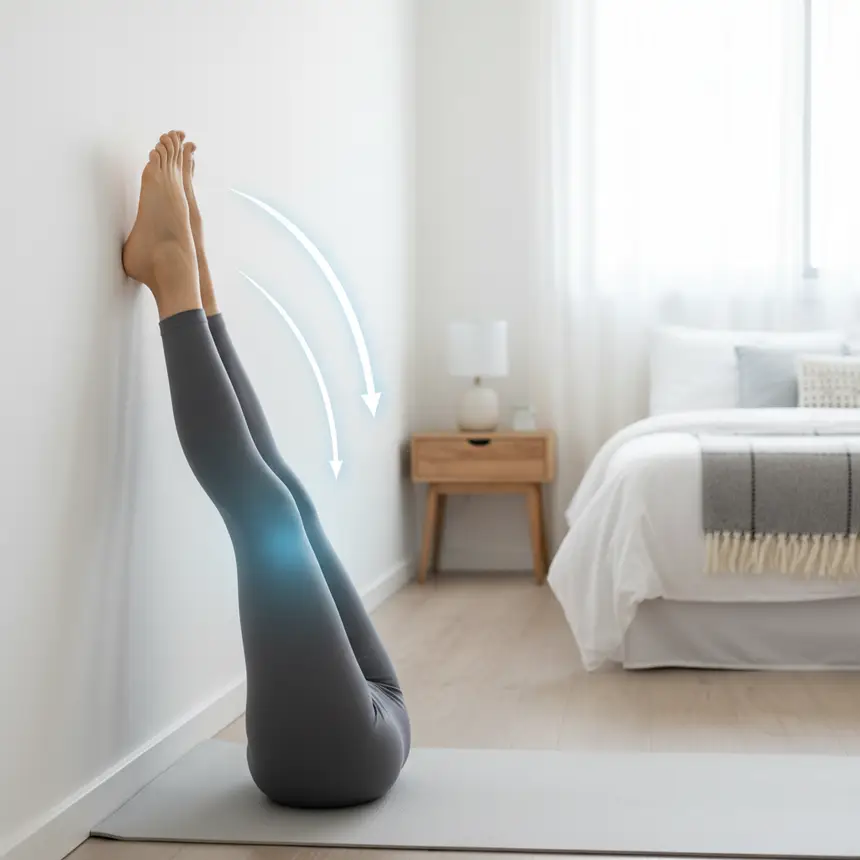
- Interventional Management: If conservative methods don't provide relief or if venous reflux is significant, minimally invasive procedures might be necessary to close off the affected veins and reroute blood flow through healthy pathways. These methods often involve using heat energy to safely seal the refluxing vein or injecting special substances to close it. These procedures aim to alleviate leg discomfort and improve overall circulation. A practical tip is to elevate your legs above your heart for about 15 minutes before bed each night, which helps drain pooled blood and reduces swelling.
※ This post contains affiliate links. I may earn a commission at no extra cost to you.

Daily Strategies for Promoting Healthy Leg Circulation
Maintaining healthy leg circulation and managing or preventing issues like varicose veins requires consistent effort in our daily lives. Here are some simple, actionable strategies you can implement at home:
If you experience persistent minor leg discomfort, it’s always best to consult a healthcare professional for an accurate diagnosis and a personalized management plan. Proactive care and attention will help you maintain healthy and comfortable legs.
- Stay Active: Avoid prolonged periods of standing or sitting in one position. Make it a habit to get up, walk around, and perform light stretches periodically. Movements that engage your calf muscles are particularly beneficial as they help pump blood back to the heart.
- Incorporate Appropriate Exercise: Engage in low-impact aerobic activities such as walking, swimming, or cycling regularly. These exercises promote blood flow without excessive strain on your legs. Simple ankle rotations and calf raises can also be very effective.
- Improve Lifestyle Habits: Reduce your sodium intake to help prevent fluid retention and swelling. Ensure you drink enough water to maintain optimal blood viscosity. Additionally, maintaining a healthy weight significantly reduces the strain on your leg veins.
- Elevate Your Legs: Before sleeping or during rest periods, elevate your legs slightly above heart level for 15-20 minutes. This position helps gravity assist in draining pooled blood from your lower limbs, effectively reducing leg swelling.
- Consider Compression Stockings: If deemed necessary, consult a healthcare professional about wearing medical-grade compression stockings. These garments are designed to apply graduated pressure to your legs, helping to prevent blood reflux and support healthy circulation.
If you experience persistent minor leg discomfort, it’s always best to consult a healthcare professional for an accurate diagnosis and a personalized management plan. Proactive care and attention will help you maintain healthy and comfortable legs.
Frequently Asked Questions
Q. What's the difference between general leg swelling and swelling from varicose veins?
A. Leg swelling, or edema, is a common symptom that can arise from various causes. Varicose veins, on the other hand, are a specific condition caused by faulty valves within the leg veins, leading to blood reflux and pooling. Varicose veins can be a primary cause of leg swelling, often accompanied by pain, heaviness, and visible bulging veins.
Q. What tests are done if varicose veins are suspected?
A. If varicose veins are suspected, a venous ultrasound is the most important diagnostic test. This scan allows healthcare providers to visualize the structure of your leg veins, observe blood flow direction and speed, and assess the function of your vein valves in real-time. It's typically performed while standing to evaluate blood flow under the influence of gravity.
Q. What can I do at home to improve my leg circulation?
A. At home, you can regularly perform leg stretches and light walking exercises, and avoid prolonged periods of standing or sitting. Elevating your legs above your heart before bed, staying well-hydrated, and maintaining a low-sodium diet are also beneficial. Consulting a professional about medical-grade compression stockings can also be a good management strategy.
Q. Can I use any compression socks for varicose veins?
A. There's a significant difference between over-the-counter compression socks and medical-grade compression stockings. For managing varicose veins, it's crucial to use medical-grade stockings that provide graduated compression. You should always consult a healthcare professional to get fitted for the correct pressure and size, ensuring safe and effective use for your specific condition and symptoms.