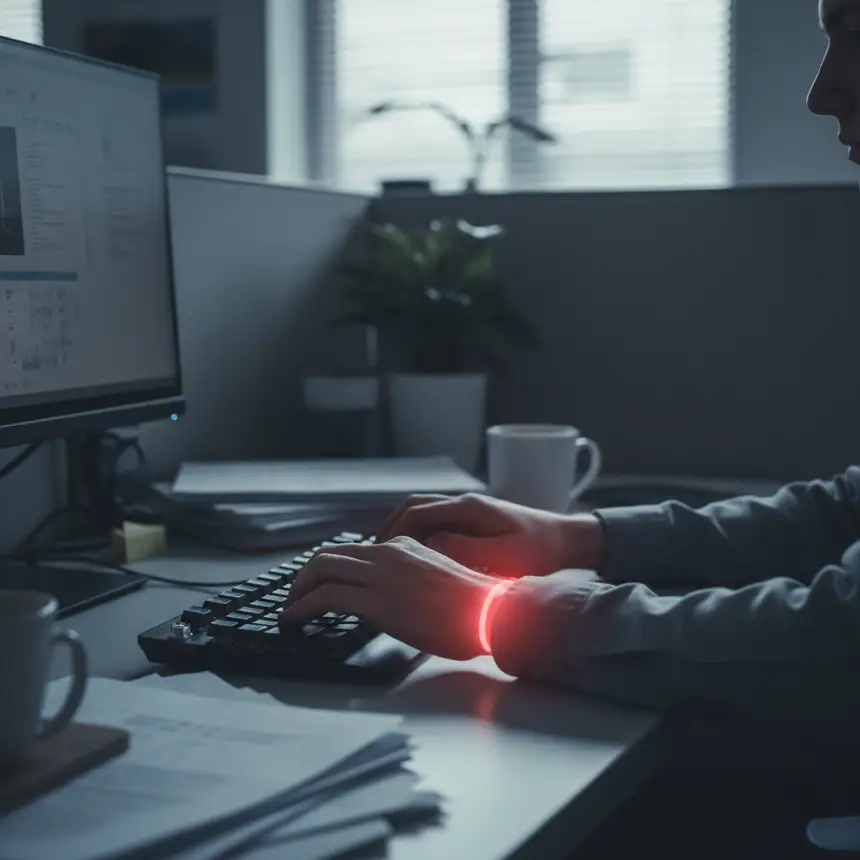
Is your frequent back pain just muscle strain, or a sign of a herniated disc? Learn the clear differences between these two conditions and how to properly respond to maintain a healthy back. We cover symptom observation to preventive habits.

Waking Up to Back Pain: What's Your Story?
The dull ache in your lower back as you wake up is a familiar experience for many people today. Is it just a result of a strenuous workout yesterday, or did you simply sleep in an awkward position? While it might seem minor, if this pain recurs or comes with other symptoms, understanding the difference between a herniated disc and muscle strain is crucial. Your lower back, the central pillar of your body, plays a vital role, and any discomfort there can significantly impact your daily life. Many experience back pain but often misinterpret its cause, missing the optimal time for proper intervention. What seems like simple muscle fatigue could actually be a signal of a deeper spinal issue, or conversely, what you suspect to be a serious disc problem might just be temporary muscle soreness. Ignoring or misunderstanding your pain without accurate information can delay recovery and intensify discomfort.

Two Faces of Back Discomfort: The Subtle Line Between Disc and Muscle Pain
A common cause of back pain, lumbar disc herniation (commonly known as a herniated disc), occurs when the intervertebral disc, which acts as a shock absorber between your vertebrae, slips out of place and presses on surrounding nerves. The primary culprits often include degenerative changes due to aging, repetitive poor posture, or excessive strain on the spine from sudden impacts. When a disc compresses a nerve, it typically causes lower back pain accompanied by radiating pain that extends down the buttocks, thigh, calf, and even to the toes. This can also lead to numbness, tingling sensations, and even muscle weakness, making it difficult to lift your foot or toes. In contrast, muscle pain arises from microscopic damage to muscle fibers, often due to overuse, sudden movements, prolonged poor posture, or minor trauma. Lower back muscle pain tends to be localized to a specific area and often intensifies with movement or pressure. The main symptoms are a feeling of stiffness or tightness, and it usually improves with rest or gentle stretching. Unlike disc issues, muscle pain rarely involves neurological symptoms like radiating pain or numbness. Thus, these two conditions exhibit distinct differences in their origin and pain characteristics.
※ This post contains affiliate links. I may earn a commission at no extra cost to you.


Back Health Habits: Strategies for Prevention and Relief
Maintaining good back health is vital for long-term well-being. Both herniated discs and muscle strains can often be prevented and managed through improvements in daily habits. First, maintaining proper posture is fundamental. When sitting, ensure your lower back is fully supported by the chair's backrest and your feet are flat on the floor. When standing, keep your shoulders back, engage your core slightly, and maintain your spine's natural curve. Avoid staying in the same position for extended periods and incorporate regular stretching to release muscle tension. Second, consistently strengthen your core muscles. Exercises like planks, bridges, and bird-dog help reinforce the abdominal and back muscles that support your spine, reducing stress on it. Even just 10 minutes a day can make a significant difference. Third, ensure adequate intake of nutrients beneficial for bone and cartilage health. Including calcium, vitamin D, magnesium, and collagen-rich foods (e.g., dairy products, dark leafy greens, fatty fish, nuts) in your diet can contribute to maintaining healthy spinal structures. Finally, stretching is essential for improving flexibility and relieving muscle tension, particularly hamstring and glute stretches, which are effective for lower back pain relief.

Tailored Approaches to Pain Types: A Smart Management Guide
When back pain strikes, your personal observation is the first step toward effective management. Start by meticulously documenting the nature of your pain. It's crucial to record when the pain began, precisely where it hurts in your back, and describe its quality (e.g., sharp, dull ache, numbness, tingling). Next, observe any accompanying symptoms. If your back pain is accompanied by leg numbness, tingling, or weakness that makes it hard to lift specific toes or your ankle, these could indicate nerve compression. Also, note whether the pain worsens or improves with certain movements or postures, or if coughing or sneezing exacerbates it – these are vital clues. Based on these self-observations, you can initially try rest, gentle stretching, and applying heat. However, if the pain persists or worsens despite these efforts, or if neurological symptoms appear, it is imperative to seek a professional diagnosis. An accurate diagnosis will alleviate unnecessary worry and is critical for setting the right course of action for your back health.

Wise Choices for Back Health: Don't Ignore the Signals
Back pain is more than just a discomfort; it can significantly diminish your quality of life. Since herniated discs and muscle strains have different origins and require different solutions, accurately distinguishing between them is crucial for maintaining a healthy spine. Ignoring pain or making self-diagnoses that lead to inappropriate self-treatment can, in the long run, cause more significant problems. It's essential to listen to your body's signals and develop a habit of closely observing the characteristics of your pain. If your pain becomes chronic or is accompanied by neurological symptoms, do not delay seeking professional medical attention for an accurate diagnosis and consultation. With appropriate action taken in the early stages, most back issues can be effectively managed, allowing you to regain a healthy and active lifestyle. Your small investment of attention and effort in your back health will lead to greater happiness.
Frequently Asked Questions
Q. Which is more common: a herniated disc or muscle strain?
A. Temporary lower back muscle strains are very common, with most people experiencing them at least once in their lifetime. Herniated discs, while less prevalent than muscle strains, often occur due to degenerative changes or poor lifestyle habits. It's important to pay close attention to the frequency, duration, and accompanying symptoms of your pain, as it could indicate a more serious condition.
Q. What first aid can I do at home for back pain?
A. For acute back pain, rest and applying a cold compress to the painful area for about 15-20 minutes can help reduce inflammation and swelling. If pain persists after a few days or is chronic, warm compresses may help relax the muscles. However, if neurological symptoms (like leg numbness or paralysis) are present, it's crucial to seek professional medical attention immediately.
Q. Does a herniated disc always require surgery?
A. The vast majority of herniated discs can improve with non-surgical treatments. Symptom relief can often be achieved through medication, physical therapy, injections, and exercise programs. Surgery is typically considered only if symptoms do not improve with conservative treatments, or if severe neurological symptoms like paralysis or bowel/bladder dysfunction due to nerve compression occur.
Q. What exercises are good for preventing muscle pain?
A. To prevent muscle pain, regular stretching and core strengthening exercises are key. Aerobic activities like walking and swimming improve overall circulation and flexibility. Additionally, consistently performing exercises that strengthen back and abdominal muscles, such as planks, bridges, and cat-camel stretches, can help reduce muscle fatigue and prevent injuries.
Q. Do certain postures affect herniated discs?
A. Yes, certain postures significantly influence the development and worsening of herniated discs. Slouching while sitting or standing, leaning back with your hips tucked under, and bending your back when lifting heavy objects all place excessive pressure on the spine and are detrimental to disc health. Always maintain good posture, and if you sit for long periods, make sure to change your position frequently.