Modern fatigue and weakened immunity might stem from a selenium deficiency. Discover the importance of selenium, selenium-rich foods, smart supplement choices, and effective intake routines to lead a vibrant life.

H2. Reclaim Your Energy: The Overlooked Nutrient for Modern Life
In our fast-paced modern world, many of us frequently experience persistent fatigue and a general dip in well-being due to stress and inconsistent eating habits. This can easily throw our body's delicate balance out of whack. However, there's a crucial trace mineral that can significantly help in addressing these issues: selenium. Selenium is deeply involved in numerous vital bodily functions, playing an indispensable role in boosting vitality and strengthening the immune system. Today, we'll delve into how you can effectively incorporate this valuable nutrient to revitalize your body and enhance your overall health.

H2. The Impact of Selenium Deficiency and Dietary Limitations
Selenium acts as a powerful antioxidant, protecting our cells from oxidative stress. Beyond this, it's vital for maintaining proper immune function and regulating thyroid hormone metabolism. The recommended daily intake for adults is approximately 55 micrograms. If your selenium intake falls short, you might experience unpleasant symptoms such as dry skin, tingling sensations in hands and feet, and chronic fatigue.
Meeting your selenium needs solely through diet can be more challenging than you might think. Let's compare some key food sources:
While some foods are rich in selenium, consistently consuming the required amount by combining various foods daily can be practically difficult. These dietary limitations often lead many to consider supplementation.
Meeting your selenium needs solely through diet can be more challenging than you might think. Let's compare some key food sources:
- Nuts: Certain nuts can provide a significant amount of selenium, with just one or two nuts sometimes exceeding the daily recommendation (68-96 micrograms). However, they are calorie-dense, and excessive intake can lead to toxicity, so moderation is key.
- Seafood: 100 grams of cooked sardines contains around 52 micrograms of selenium, also offering beneficial omega-3 fatty acids. But incorporating it daily might be difficult due to its distinct taste or preparation hassle.
- Meats and Poultry: 100 grams of pork or chicken typically provides 20-30 micrograms of selenium, making them easy to include in everyday meals.
- Eggs: About three eggs can offer around 20 micrograms of selenium, and they are generally affordable and accessible.
- Vegetables and Mushrooms: Shiitake mushrooms contain about 25 micrograms per 100 grams, while vegetables like broccoli and spinach have a lower content, typically 1-2 micrograms.
While some foods are rich in selenium, consistently consuming the required amount by combining various foods daily can be practically difficult. These dietary limitations often lead many to consider supplementation.
※ This post contains affiliate links. I may earn a commission at no extra cost to you.

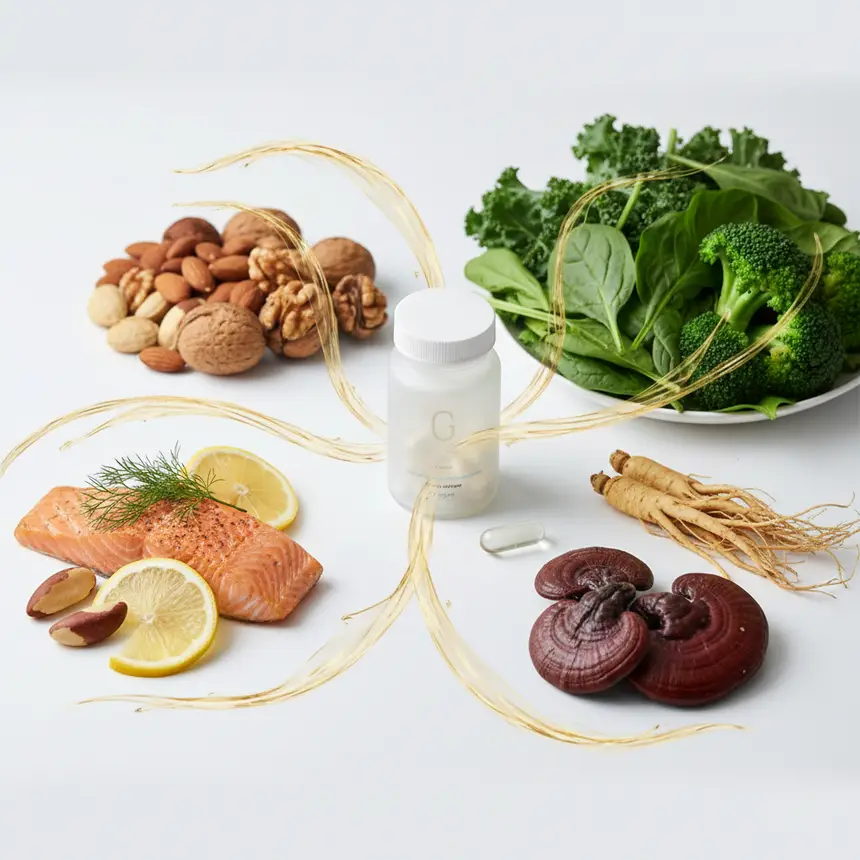
H2. Smart Selenium Supplementation: Criteria and Synergistic Benefits
If you find your diet lacking, considering supplementation can be a practical step. The market offers various forms of selenium supplements, ranging from single-ingredient options to formulations that combine selenium with other beneficial nutrients.
- Nutrient Synergy: For instance, certain traditional animal-derived extracts or concentrates often contain not just selenium but also other essential minerals like iron and zinc. These forms can be combined with botanical ingredients like ginseng or reishi mushrooms, contributing to overall nutritional balance and potentially enhancing absorption. The synergistic action of these combined ingredients can amplify their overall effectiveness, making them more potent in boosting the body's vitality.
- Quality and Sourcing: When choosing a supplement, checking the origin of the ingredients is crucial. Domestically sourced ingredients often have transparent quality control and may be considered safer from heavy metal contamination. Furthermore, look for products processed using methods like low-temperature extraction, which minimize nutrient degradation and preserve active compounds. Confirming certifications from reputable hygiene management bodies (e.g., HACCP in some regions) is another smart criterion.
- Convenience and Palatability: Since consistent daily intake is key, it’s advisable to choose a formulation that is easy to consume and doesn't have an overpowering taste. Many modern supplements use low-temperature processing to reduce strong flavors while retaining the natural benefits of the ingredients.

H2. Your Daily Routine: Incorporating Selenium for a Vibrant Day
Here are some practical strategies to effectively integrate selenium into your daily life:
1. Prioritize a Balanced Diet: The most fundamental approach is to consistently include selenium-rich foods in your meals. Aim to consume seafood or specific nuts 2-3 times a week, and regularly include meats, eggs, and mushrooms in your daily diet.
2. Supplement Timing: If you choose to use supplements, consistency is paramount. It's generally recommended to take them on an empty stomach or after a meal, but always follow the specific instructions on the product label. Taking your supplement in the morning can help kickstart your day with an energy boost.
3. Observe Your Body's Changes: After starting selenium intake, consistently monitor your body for about two weeks to a month. You might notice positive changes such as reduced chronic fatigue, easier morning wake-ups, improved skin condition, or enhanced concentration. If you experience any discomfort with a particular product, consider switching to a different form or consulting a healthcare professional.
4. Mindful Dosing: Selenium is a nutrient that can have adverse effects if consumed in excess. It's crucial to stick to the recommended dosages. Be especially careful with supplement intake if your diet already includes significant amounts of selenium-rich foods.
1. Prioritize a Balanced Diet: The most fundamental approach is to consistently include selenium-rich foods in your meals. Aim to consume seafood or specific nuts 2-3 times a week, and regularly include meats, eggs, and mushrooms in your daily diet.
2. Supplement Timing: If you choose to use supplements, consistency is paramount. It's generally recommended to take them on an empty stomach or after a meal, but always follow the specific instructions on the product label. Taking your supplement in the morning can help kickstart your day with an energy boost.
3. Observe Your Body's Changes: After starting selenium intake, consistently monitor your body for about two weeks to a month. You might notice positive changes such as reduced chronic fatigue, easier morning wake-ups, improved skin condition, or enhanced concentration. If you experience any discomfort with a particular product, consider switching to a different form or consulting a healthcare professional.
4. Mindful Dosing: Selenium is a nutrient that can have adverse effects if consumed in excess. It's crucial to stick to the recommended dosages. Be especially careful with supplement intake if your diet already includes significant amounts of selenium-rich foods.

H2. Kickstart a Vibrant Life with Optimal Selenium Intake
Selenium is more than just another nutrient; it provides a vital foundation for our body to maintain optimal function and enjoy a vibrant daily life. Consistent selenium intake supports health in multiple ways, including enhancing antioxidant capacity, boosting immunity, and aiding thyroid function. This directly translates into positive changes like overcoming chronic fatigue, improving skin health, and ultimately elevating your overall quality of life.
Starting today, make an effort to include selenium-rich foods in your diet, and if needed, wisely choose a trustworthy supplement for consistent intake. Small changes in your habits can make a significant difference in your health and vitality. Listen to the positive signals your body sends and strive to cultivate a healthy, energetic life.
Starting today, make an effort to include selenium-rich foods in your diet, and if needed, wisely choose a trustworthy supplement for consistent intake. Small changes in your habits can make a significant difference in your health and vitality. Listen to the positive signals your body sends and strive to cultivate a healthy, energetic life.
Frequently Asked Questions
Q. What can happen if I take too much selenium?
A. While selenium is an essential trace mineral, excessive intake can lead to a condition called selenosis. Common symptoms include hair loss, brittle nails, skin rashes, and neurological issues. In severe cases, it can cause digestive problems or fatigue. It's crucial to stick to the recommended daily intake.
Q. Is it safe for pregnant or breastfeeding women to take selenium supplements?
A. Pregnant and breastfeeding women may have increased nutritional needs, but it's always safest to consult a healthcare professional before taking any supplements. Excessive intake should be avoided, and it's important to take appropriate dosages under a doctor's guidance.
Q. What nutrients work well with selenium to enhance its effects?
A. Selenium is known to have an enhanced antioxidant effect when taken with Vitamin E. Additionally, consuming it in combination with other minerals like zinc and iron can have an even more positive impact on overall immune function and vitality.
Q. Among selenium-rich foods, which ones can I eat daily without much fuss?
A. Eggs are relatively high in selenium, affordable, and versatile in cooking, making them easy to include daily. It's also good to incorporate various seafood 2-3 times a week and include small, controlled portions of nuts in your regular diet.