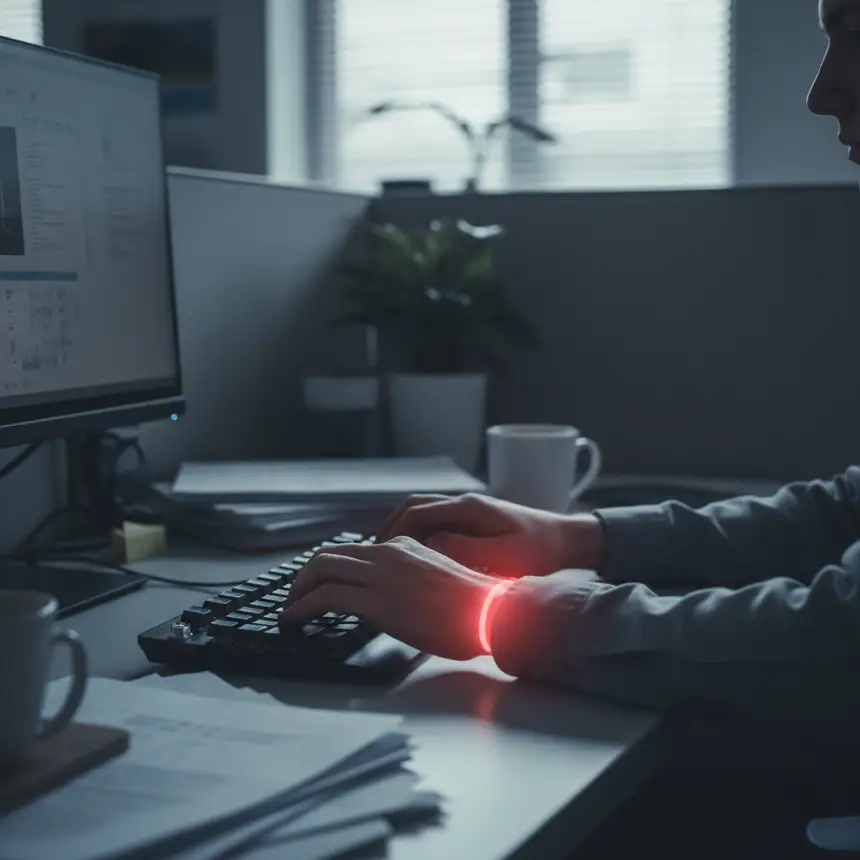
If your monthly menstrual pain goes beyond simple discomfort, understanding its causes and managing it wisely is crucial. Discover the hidden reasons behind menstrual pain and effective lifestyle changes for relief in this article.

More Than Just Period Cramps: When Monthly Discomfort Becomes Debilitating
While menstruation is a natural biological process for women each month, it can sometimes bring debilitating pain that disrupts daily life. Mild abdominal discomfort is common, but many women struggle to function without strong pain relievers, find that only specific types of medication work, or even experience no relief from any remedies. Such intense pain goes beyond typical period symptoms and can significantly diminish one's quality of life. Many often downplay their menstrual pain, assuming it's 'normal' compared to others, but it's time to truly listen to your body's signals. If your period pain falls into this severe category, understanding its underlying causes and actively managing it is a crucial step towards well-being.

Uncovering the Hidden Reasons: Diverse Causes of Period Pain
Behind severe menstrual pain, several factors can interact. While excessive production of prostaglandins, which cause uterine contractions, is a common culprit, unusually intense pain warrants considering other internal factors. For instance, structural changes within the uterine muscle wall, endometrial tissue growing outside the uterus, or small cysts on the ovaries can all exacerbate period pain. These issues are not outwardly visible, meaning they can be silently intensifying your discomfort. Subtle shifts in hormonal balance can also lead to general malaise and increased sensitivity to pain, even contributing to mental stress. It's vital to look beyond simply enduring the monthly discomfort and pay close attention to what signals your body might be sending from within.
※ This post contains affiliate links. I may earn a commission at no extra cost to you.


Smart Approaches to Pain Relief: Food, Movement, and Nutrients
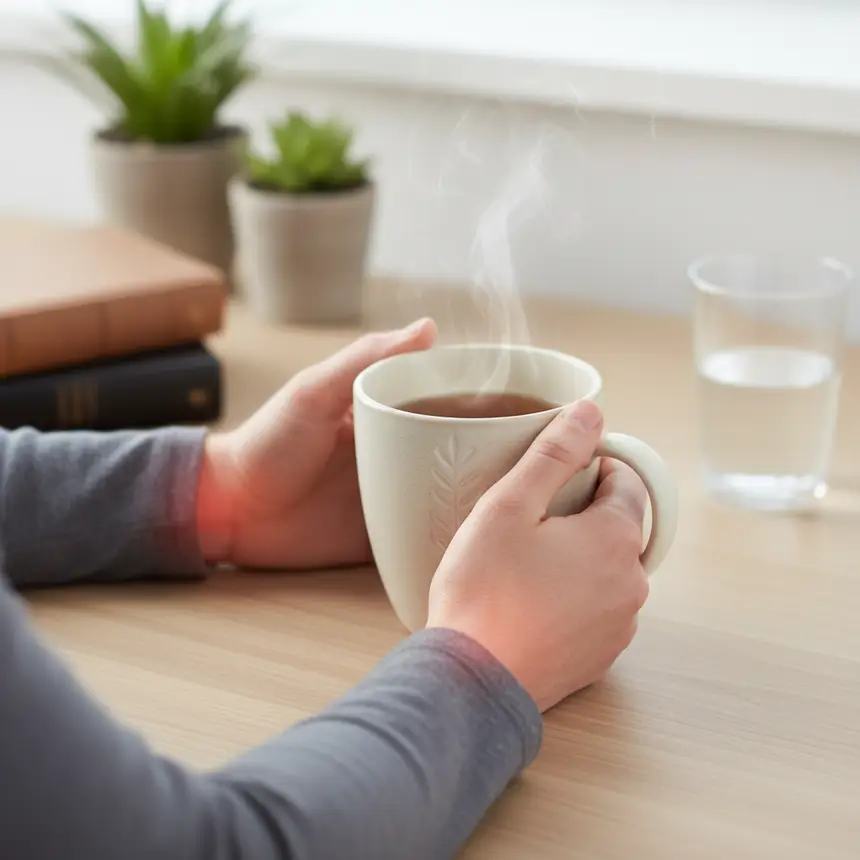
Managing menstrual pain extends beyond simply relying on painkillers; it involves adopting various practical strategies in your daily life. Dietary adjustments are a significant first step. Reducing consumption of inflammatory foods like processed items, excessive sugar, and caffeine, while increasing intake of anti-inflammatory foods, is beneficial. Focus on omega-3 rich fatty fish, nuts, fresh vegetables, and fruits. Sipping on warm herbal teas like ginger or chamomile can also help soothe your body.
Gentle exercise effectively promotes blood circulation and eases pain. Regularly practice low-impact activities such as yoga, stretching, or walking. Movements that relax the pelvic muscles can be particularly helpful in reducing menstrual cramps. Additionally, specific nutrients like magnesium, B vitamins, and omega-3 fatty acids can support nerve and muscle function and modulate inflammatory responses, contributing to pain relief. However, always consult with a professional to determine the right supplements and dosages for your individual needs.
Gentle exercise effectively promotes blood circulation and eases pain. Regularly practice low-impact activities such as yoga, stretching, or walking. Movements that relax the pelvic muscles can be particularly helpful in reducing menstrual cramps. Additionally, specific nutrients like magnesium, B vitamins, and omega-3 fatty acids can support nerve and muscle function and modulate inflammatory responses, contributing to pain relief. However, always consult with a professional to determine the right supplements and dosages for your individual needs.

Consistency is Key: A Practical Routine for Menstrual Pain Management
Efforts to alleviate menstrual pain aren't one-time fixes; consistent practice is essential. Start your day by hydrating with a glass of warm water and performing light stretches. Aim for balanced meals at regular times, choosing fruits or nuts over processed snacks. Throughout your workday, take breaks to move around, and unwind in the evening with a warm shower or bath to relax tense muscles.
During menstruation, applying a warm compress to the abdomen and keeping your body warm can significantly aid pain relief. Adequate sleep is crucial for physical recovery and stress management, so aim for 7-8 hours of quality sleep nightly. These small, consistent habits can collectively reduce pain intensity and improve overall well-being. The key is to find a routine that suits your body and stick with it consistently.
During menstruation, applying a warm compress to the abdomen and keeping your body warm can significantly aid pain relief. Adequate sleep is crucial for physical recovery and stress management, so aim for 7-8 hours of quality sleep nightly. These small, consistent habits can collectively reduce pain intensity and improve overall well-being. The key is to find a routine that suits your body and stick with it consistently.

Your Body Deserves Care: Towards a Healthy Life Free from Menstrual Pain
Menstrual pain should never be dismissed as 'just something women go through.' It could be a vital signal from your body, profoundly impacting your quality of life. Instead of enduring severe pain, actively explore its causes and commit to managing it through lifestyle adjustments like improved diet, regular exercise, and sufficient rest. Sometimes, consulting with a healthcare professional is crucial to accurately understand your body's condition and explore more personalized, expert approaches.
Uterine health is deeply connected to the overall vitality and well-being of all women, not just those planning pregnancy. Never overlook seemingly minor symptoms; investing time in caring for your body will always yield benefits. Achieving freedom from menstrual pain is more than just the absence of discomfort; it's the first step towards enjoying a vibrant, healthy life, free from monthly anxiety. We support your journey to a healthier you.
Uterine health is deeply connected to the overall vitality and well-being of all women, not just those planning pregnancy. Never overlook seemingly minor symptoms; investing time in caring for your body will always yield benefits. Achieving freedom from menstrual pain is more than just the absence of discomfort; it's the first step towards enjoying a vibrant, healthy life, free from monthly anxiety. We support your journey to a healthier you.
Frequently Asked Questions
Q. My period pain is severe every month. How does it differ from normal discomfort?
A. Normal menstrual pain involves mild discomfort or cramping in the lower abdomen that doesn't significantly disrupt daily life. Severe menstrual pain, however, means daily activities are difficult without strong pain relief, or you miss work or school due to pain, or even if specific painkillers offer no relief. This could signal an underlying issue, and it's advisable to seek professional advice.
Q. Are there specific foods I should avoid or consume to help with menstrual pain?
A. Yes, it's generally recommended to reduce inflammatory foods like processed items, sugar, caffeine, and saturated fats. Instead, focus on foods rich in anti-inflammatory omega-3s (fatty fish, nuts), magnesium (leafy greens, nuts), and B vitamins. Staying hydrated with warm water or herbal teas can also be beneficial.
Q. When the pain is really bad, what can I do at home for immediate relief?
A. Applying a warm compress to your abdomen, taking a warm shower, or a sitz bath can help relax your body. Gentle stretches, like lying with knees bent or cat-cow poses, can also help relieve tension in your pelvic muscles, potentially offering immediate relief.
Q. Can severe menstrual pain affect future fertility?
A. Not necessarily, but some severe menstrual pain can be caused by gynecological conditions like endometriosis or uterine fibroids, which can, in some cases, impact fertility. Therefore, if you experience extreme period pain, it's important to consult a healthcare professional to determine the exact cause.
Q. Are fatigue or mood swings before/after my period also related to menstruation?
A. Yes, various physical and psychological symptoms that appear before or after menstruation, such as fatigue, mood changes, headaches, and breast tenderness, are often referred to as Premenstrual Syndrome (PMS) or Premenstrual Dysphoric Disorder (PMDD). These are closely linked to hormonal fluctuations and can often be managed through lifestyle adjustments or with professional guidance.