If you're battling chronic fatigue due to hypothyroidism, discover why essential nutrient intake is crucial. Learn practical ways to overcome tiredness and regain vitality through lifestyle improvements.

The Persistent Shadow of Fatigue: When Treatment Isn't Enough
Despite getting a full night's sleep, do you often wake up feeling as if you haven't rested at all? The alarm blares, but your body refuses to leave the warmth of the bed. Throughout the day, a heavy drowsiness clings to you, making focus at work a constant struggle. By evening, the only comfort seems to be collapsing onto the nearest sofa. This relentless, unyielding fatigue, where rest offers no true relief, can be more than just simple exhaustion; it might be your body sending a crucial message. Many individuals diagnosed with a thyroid condition, despite diligently following their medical treatment, find themselves trapped in this cycle of persistent tiredness. Hormone levels may be stabilizing, but the underlying lethargy and lack of energy continue to hinder daily life. What could be the missing piece? Why isn't the body fully regaining its vitality, even with medication? This is a common and frustrating question for those navigating the long tunnel of chronic fatigue.
Beyond Hormone Levels: Micronutrients as the Key to Activation
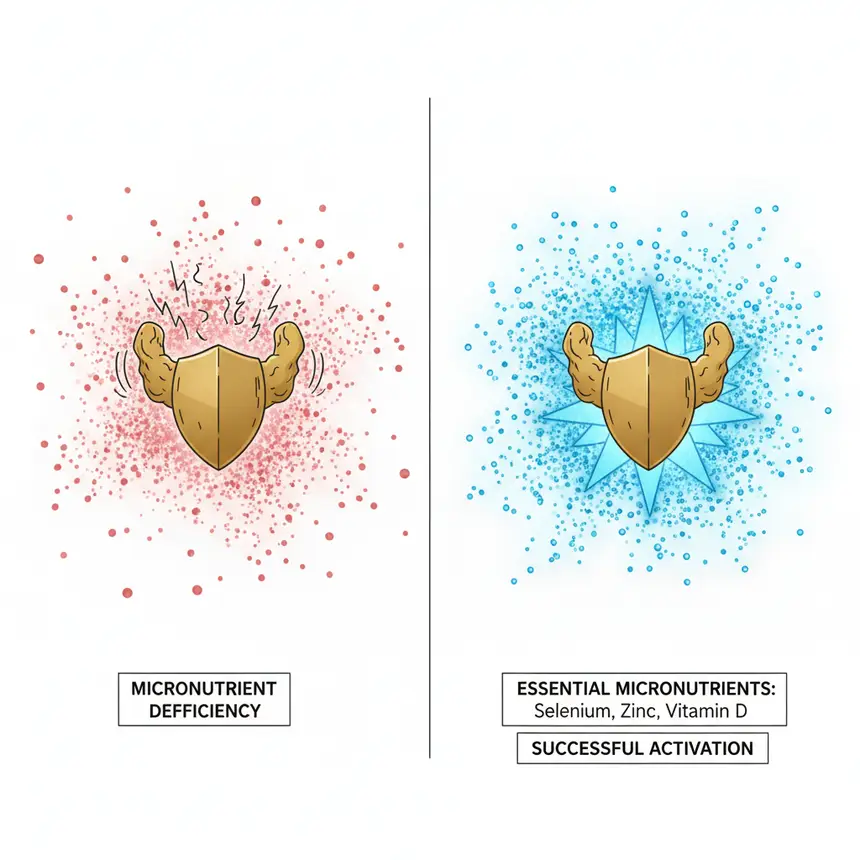
Thyroid hormones are critical regulators of our body's energy metabolism and overall physiological functions. When hypothyroidism strikes, the insufficient production of these hormones can lead to a cascade of symptoms including fatigue, sluggishness, and weight gain. However, simply regulating hormone levels with medication doesn't always resolve the entire issue. Our bodies require specific 'raw materials'—essential micronutrients—to properly activate and utilize these hormones at a cellular level.
Key among these vital ingredients are micronutrients like selenium, zinc, and vitamin D. For instance, selenium is an indispensable component of several enzymes involved in thyroid hormone metabolism. A deficiency in selenium can mean that even with adequate hormone production, these hormones may not be properly activated to exert their full effects, leading to persistent fatigue. Zinc also plays a crucial role in both the production and activation of thyroid hormones, and vitamin D is known to influence thyroid function regulation. Modern diets, often rich in processed and convenience foods, frequently fall short in providing sufficient amounts of these essential micronutrients. Therefore, alongside managing hormone levels, ensuring a balanced intake of these 'hidden keys'—micronutrients—is an incredibly important aspect of alleviating chronic fatigue.
Key among these vital ingredients are micronutrients like selenium, zinc, and vitamin D. For instance, selenium is an indispensable component of several enzymes involved in thyroid hormone metabolism. A deficiency in selenium can mean that even with adequate hormone production, these hormones may not be properly activated to exert their full effects, leading to persistent fatigue. Zinc also plays a crucial role in both the production and activation of thyroid hormones, and vitamin D is known to influence thyroid function regulation. Modern diets, often rich in processed and convenience foods, frequently fall short in providing sufficient amounts of these essential micronutrients. Therefore, alongside managing hormone levels, ensuring a balanced intake of these 'hidden keys'—micronutrients—is an incredibly important aspect of alleviating chronic fatigue.
※ This post contains affiliate links. I may earn a commission at no extra cost to you.


Holistic Approaches to Revitalize Your Energy
Overcoming chronic fatigue and reclaiming your vitality requires a multi-faceted approach that extends beyond just targeted nutrient intake. Our bodies function as interconnected systems, meaning that focusing solely on one aspect rather than the overall balance is often less effective.
- Re-evaluating Your Nutrition: Prioritize whole, fresh foods over processed and packaged options. Make a conscious effort to include foods rich in selenium, zinc, and vitamin D, which are crucial for maintaining healthy thyroid function. Excellent sources include Brazil nuts (in moderation), eggs, seafood, and various nuts.
- Embracing Gentle Movement: Instead of strenuous workouts that might overtax an already fatigued body, opt for consistent, low-impact physical activities. Incorporating 20-30 minutes of walking, yoga, or stretching into your daily routine can significantly improve circulation and boost overall physical vitality.
- Cultivating Mental Well-being: The thyroid gland is known to be sensitive to stress. Finding effective stress-reduction techniques that work for you, such as meditation, deep breathing exercises, engaging in hobbies, or simply enjoying a warm cup of tea, is vital. True recovery often begins when there's a harmonious balance between your physical and mental states.

Building Sustainable Habits for Lasting Wellness
Significant health changes rarely happen overnight. Instead, they are the culmination of small, consistent practices. Here are concrete, actionable habits you can adopt to support your thyroid health and boost your energy:
1. Dietary Review and Enhancement: Start by tracking your daily food intake to identify any nutritional gaps. Plan your meals to consciously include selenium-rich foods like seafood (tuna, shrimp) and nuts (small portions of Brazil nuts), and zinc-rich options such as beans, spinach, and oysters. Minimize processed foods and fried items, aiming for a diet primarily composed of fresh vegetables and lean proteins.
2. Consider Targeted Nutrient Support: If your dietary intake alone isn't sufficient for essential nutrients, consider using specific nutrient supplements. After consulting with a healthcare professional, you might explore combined supplements containing selenium, zinc, and vitamin D. The key is consistent, long-term intake.
3. Establish a Regular Sleep Schedule: Stabilize your circadian rhythm by going to bed and waking up at consistent times each day, even on weekends. Reduce screen time before bed and ensure your bedroom environment is dark, quiet, and cool to promote higher quality sleep.
4. Implement a Stress Management Routine: Dedicate 10-20 minutes each day to activities that help you de-stress. This could be a gentle walk, listening to calming music, practicing mindfulness, or simply savoring a quiet moment with a favorite beverage. Reducing stress contributes significantly to overall well-being.
5. Engage in Consistent Gentle Exercise: A simple 20-minute walk after dinner can make a remarkable difference. As you begin to feel lighter and more energetic, you'll naturally discover the joy of movement. While it might seem challenging initially, accumulating small successes will help these practices become sustainable habits.
1. Dietary Review and Enhancement: Start by tracking your daily food intake to identify any nutritional gaps. Plan your meals to consciously include selenium-rich foods like seafood (tuna, shrimp) and nuts (small portions of Brazil nuts), and zinc-rich options such as beans, spinach, and oysters. Minimize processed foods and fried items, aiming for a diet primarily composed of fresh vegetables and lean proteins.
2. Consider Targeted Nutrient Support: If your dietary intake alone isn't sufficient for essential nutrients, consider using specific nutrient supplements. After consulting with a healthcare professional, you might explore combined supplements containing selenium, zinc, and vitamin D. The key is consistent, long-term intake.
3. Establish a Regular Sleep Schedule: Stabilize your circadian rhythm by going to bed and waking up at consistent times each day, even on weekends. Reduce screen time before bed and ensure your bedroom environment is dark, quiet, and cool to promote higher quality sleep.
4. Implement a Stress Management Routine: Dedicate 10-20 minutes each day to activities that help you de-stress. This could be a gentle walk, listening to calming music, practicing mindfulness, or simply savoring a quiet moment with a favorite beverage. Reducing stress contributes significantly to overall well-being.
5. Engage in Consistent Gentle Exercise: A simple 20-minute walk after dinner can make a remarkable difference. As you begin to feel lighter and more energetic, you'll naturally discover the joy of movement. While it might seem challenging initially, accumulating small successes will help these practices become sustainable habits.

Embracing Your Journey Towards Renewed Vitality
Struggling with chronic fatigue is a formidable challenge, especially when compounded by a physical cause like an underactive thyroid. It's understandable to feel that sheer willpower isn't enough to overcome it. However, instead of despair, actively understanding the problem and seeking solutions is a powerful step forward. Combining hormone level management with essential nutrient supplementation and healthy lifestyle adjustments is more than just symptom relief; it's a path to fundamentally improving your quality of life.
Many individuals who adopt this comprehensive approach experience profound positive changes: 'Mornings feel lighter,' 'I can concentrate throughout the afternoon,' and 'I feel significantly more energetic than before.' These transformations don't happen overnight, but they are invaluable rewards for consistent effort. Your body is constantly sending you signals about its state. Listen to those signals, and embark on your journey of small changes today. You can break free from the grip of fatigue and reclaim a vibrant, active life.
Many individuals who adopt this comprehensive approach experience profound positive changes: 'Mornings feel lighter,' 'I can concentrate throughout the afternoon,' and 'I feel significantly more energetic than before.' These transformations don't happen overnight, but they are invaluable rewards for consistent effort. Your body is constantly sending you signals about its state. Listen to those signals, and embark on your journey of small changes today. You can break free from the grip of fatigue and reclaim a vibrant, active life.
Frequently Asked Questions
Q. I have hypothyroidism, why am I still tired even with medication?
A. While thyroid medication helps regulate hormone levels, your body needs essential micronutrients like selenium, zinc, and vitamin D to properly activate and utilize these hormones. A deficiency in these nutrients can lead to persistent fatigue even if hormone levels appear normal.
Q. What nutrients are important for thyroid health?
A. Selenium, zinc, and vitamin D play critical roles in thyroid hormone production and activation. Other micronutrients like iodine and iron are also important for overall thyroid function.
Q. How can I manage my thyroid health through diet?
A. Focus on a balanced diet rich in whole foods, reducing processed items. Include selenium-rich foods like Brazil nuts (in moderation), eggs, and seafood, as well as zinc-rich options like legumes, spinach, and oysters. Prioritize vegetables and lean proteins.
Q. What kind of exercise is best for hypothyroidism?
A. Gentle, low-impact aerobic exercises are generally recommended. Activities such as walking for 20-30 minutes daily, yoga, or stretching can improve circulation and aid in fatigue recovery. It's often best to avoid overly strenuous workouts.
Q. Is it safe to take nutritional supplements for thyroid support?
A. Nutritional supplements can help fill gaps in your diet. However, individual needs and appropriate dosages vary. It's always safest to consult with a healthcare professional before starting any new supplement regimen to ensure it's suitable for your specific health condition.