During recovery from chronic illness, maintaining kidney health and proper body temperature is essential. Discover specific methods for successful recovery through electrolyte balance and tailored nutritional management.

Unexpected Hurdles on the Path to Recovery
Have you recently concluded a long battle with a chronic illness and are now embarking on your recovery journey? This phase demands meticulous care, as your body can react significantly to even minor changes. Maintaining kidney health, regulating body temperature, and ensuring electrolyte balance are pivotal for a successful recovery. Many tend to focus solely on the primary illness, overlooking these fundamental bodily functions. However, our bodies are interconnected systems, and an imbalance in one area can profoundly impact the entire healing process. This article delves into the essential body management strategies crucial during post-chronic illness recovery.
Unseen Factors Disrupting Your Body's Equilibrium
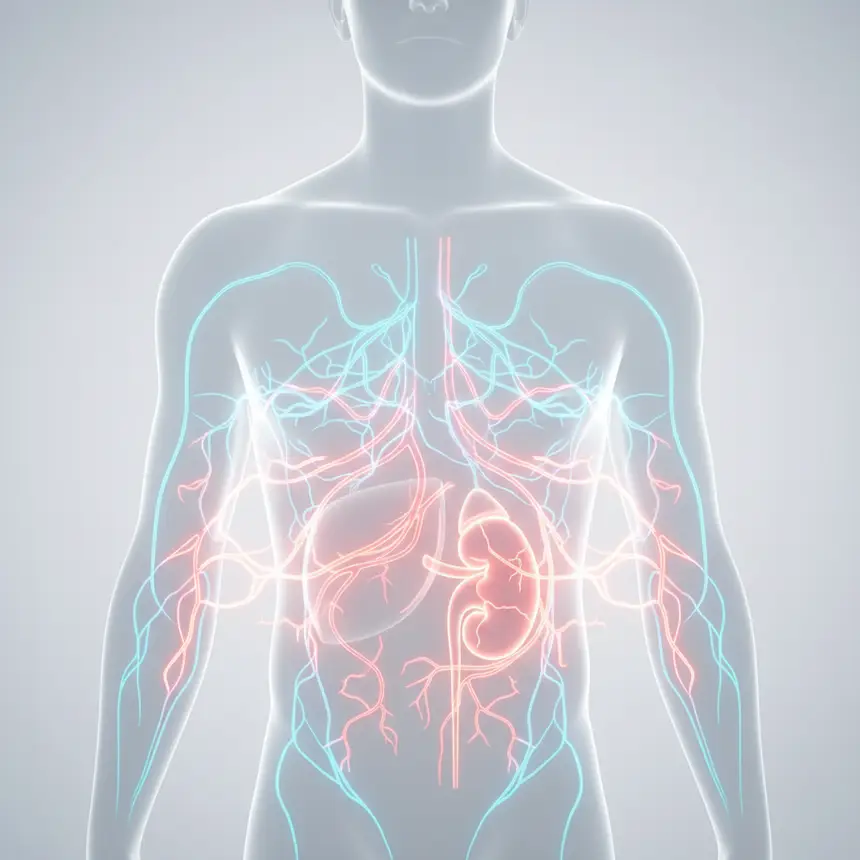
Battling an illness profoundly shakes our body's homeostasis. Kidneys play a vital role in filtering waste and regulating fluid balance, and their diminished function due to chronic conditions can lead to toxin accumulation and electrolyte imbalances. Fluctuations in critical electrolytes like potassium, for instance, directly affect heart function and nerve transmission, requiring careful monitoring. Furthermore, during recovery, a lowered metabolic rate or impaired circulation can easily disrupt thermoregulation. Both feeling too cold or too warm can impede recovery and lead to other complications like dehydration or reduced nutrient absorption. Stress also significantly weakens the immune system, hindering the healing process.
※ This post contains affiliate links. I may earn a commission at no extra cost to you.


Tailored Nutrition and Lifestyle Strategies for Better Recovery
For a healthy recovery, it's essential to supply your body with appropriate nutrients and improve lifestyle habits. First, your diet should provide essential nutrients without over-burdening your kidneys. For example, a low-sodium diet and controlled protein intake can ease kidney strain, while adjusting vegetable and fruit consumption based on potassium levels is often recommended. If specific electrolyte supplementation is deemed necessary, consult a professional. Second, to maintain body temperature, keep your indoor environment comfortable, wear warm clothing, and take warm showers. Third, light physical activity can promote circulation and aid in temperature regulation, but it's crucial to avoid overexertion. Start with low-intensity exercises like walking or stretching and gradually increase activity. All lifestyle adjustments should be made in consultation with healthcare professionals, tailored to your individual condition.

Re-establishing Your Body's Rhythm Through Consistent Daily Practices
Recovery is a marathon, not a sprint. Consistency is paramount, and establishing a daily routine can be incredibly beneficial. Start your day with a light breakfast at the same time each day, and ensure regular meal times to minimize unnecessary fasting. While hydration is vital, the amount of fluid intake must be adjusted according to kidney function, making consultation with a professional essential. Develop a habit of promptly responding to body temperature changes—if you feel too cold, immediately grab a warm blanket or adjust the indoor temperature. A 15-30 minute walk or light stretching daily can boost circulation and uplift your mood. Before bed, unwind with a warm drink and prioritize sufficient sleep to give your body time to heal. These small, consistent practices contribute significantly to regaining your body's balance.

Patience and Vigilance: Building a Healthier Tomorrow
Undergoing and recovering from a chronic illness impacts both body and mind. It can be frustrating and exhausting at times, but it's crucial to acknowledge small progress and encourage yourself. Safeguarding kidney health, maintaining optimal body temperature, and meticulously managing electrolyte balance are not just about recovering from illness; they are about laying the foundation for a healthier life. By maintaining continuous communication with your healthcare team to develop a personalized management plan, and by leaning on supporters like family and friends, you can undoubtedly face a brighter future. Be patient and consistently listen to your body. Your healthy recovery is highly valued and supported.
Frequently Asked Questions
Q. Why does body temperature often drop during chronic illness recovery?
A. During chronic illness recovery, the body expends significant energy fighting the disease, which can lead to a lower basal metabolic rate or poor circulation. These factors can impair thermoregulation, causing body temperature to drop easily. Focusing on adequate nutrition and maintaining warmth is important.
Q. What kind of diet should be avoided for kidney health?
A. For kidney health, a low-sodium diet is crucial. Depending on kidney function, it may also be necessary to adjust intake of protein, potassium, and phosphorus. It's safest and most effective to consult with a healthcare professional for personalized dietary guidance.
Q. What symptoms might indicate an electrolyte imbalance?
A. Electrolyte imbalances can manifest as fatigue, muscle cramps, lethargy, and in more severe cases, irregular heartbeats or neurological symptoms. Abnormal potassium levels, in particular, can significantly impact the heart. If you experience such symptoms, consult a medical professional immediately.
Q. What types of exercise are suitable during recovery?
A. During recovery, low-intensity exercises that don't strain the body are suitable. Examples include gentle walking, stretching, yoga, or Tai Chi. Start with short durations and gradually increase over time. Always monitor your body's signals and stop immediately if you feel pain.