Are those subtle changes your body's way of signaling hormonal imbalance? Learn to self-assess common symptoms in both men and women, and discover practical strategies to restore hormonal harmony in your daily life.

The Body's Delicate Conductor: Why Hormonal Balance Matters
Our bodies operate as incredibly complex and finely tuned systems, with chemical messengers called 'hormones' at their core. Secreted by endocrine glands, these hormones travel through the bloodstream, orchestrating nearly every life-sustaining process, including metabolism, reproduction, sleep cycles, mood regulation, and immune responses. They act much like an orchestra conductor, ensuring all bodily functions work in harmonious synchronicity. However, modern lifestyles, chronic stress, and environmental factors frequently disrupt this delicate hormonal equilibrium. If you're experiencing unexplained weight fluctuations, severe mood swings, persistent skin issues, or a decline in sleep quality without clear reasons, these could be signs of a hormonal imbalance. Recognizing these subtle signals your body sends is the crucial first step toward maintaining optimal health and well-being.
Key Signals of Hormonal Imbalance You Shouldn't Overlook
While hormonal imbalances can affect anyone, the symptoms often manifest differently between sexes.
Gender-Specific Changes
The Thyroid's Role in Hormonal Health
The thyroid gland produces hormones vital for regulating the body's metabolic rate. An overactive thyroid (hyperthyroidism) can lead to weight loss, rapid heartbeat, heat intolerance, and tremors. Conversely, an underactive thyroid (hypothyroidism) often causes weight gain, profound fatigue, swelling, cold intolerance, constipation, and dry skin. Since these symptoms can overlap with other hormonal issues, careful attention is necessary.
Lifestyle Factors Disrupting Hormonal Harmony
Gender-Specific Changes
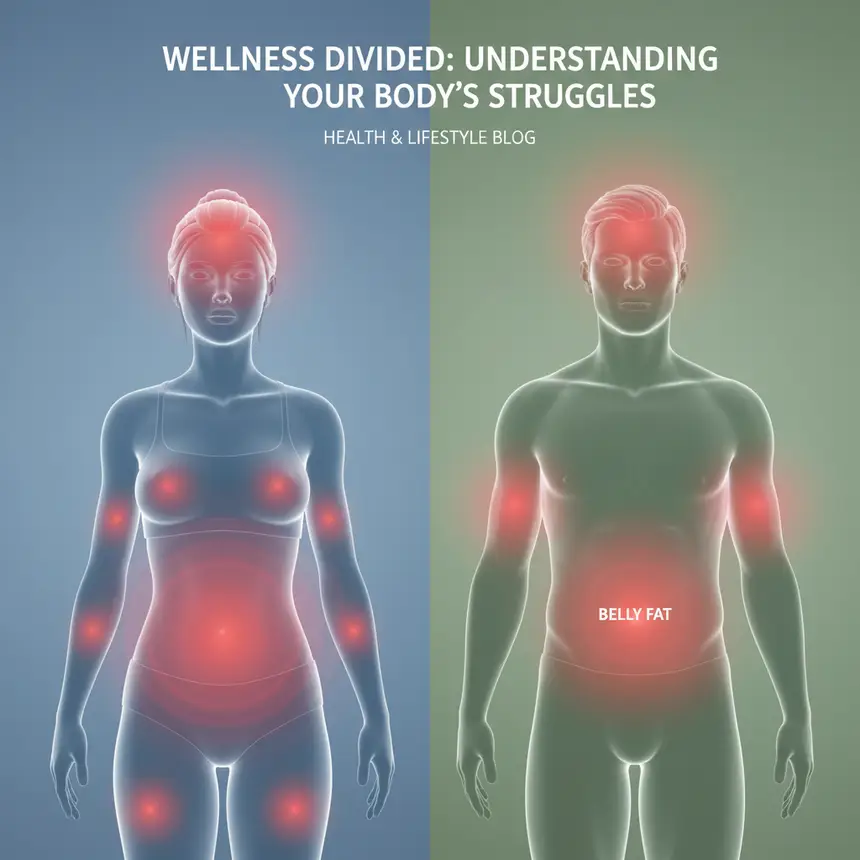
- For Women: Common signs include irregular menstrual cycles or changes in flow, unexplained mood shifts (irritability, sadness), weight gain or loss despite no dietary changes, skin problems like acne or dryness, hair thinning, and sleep disturbances. During perimenopause and menopause, symptoms like hot flashes, night sweats, vaginal dryness, and bone density concerns become more prevalent.
- For Men: Symptoms often involve reduced libido, decreased muscle mass, increased abdominal fat, persistent fatigue, lack of motivation, and cognitive issues such as memory lapses or difficulty concentrating. These are frequently linked to declining levels of testosterone.
The Thyroid's Role in Hormonal Health
The thyroid gland produces hormones vital for regulating the body's metabolic rate. An overactive thyroid (hyperthyroidism) can lead to weight loss, rapid heartbeat, heat intolerance, and tremors. Conversely, an underactive thyroid (hypothyroidism) often causes weight gain, profound fatigue, swelling, cold intolerance, constipation, and dry skin. Since these symptoms can overlap with other hormonal issues, careful attention is necessary.
Lifestyle Factors Disrupting Hormonal Harmony
- Chronic Stress: Excessive secretion of cortisol, the stress hormone, can interfere with the normal functioning of other hormones.
- Insufficient Sleep: Poor sleep quality and quantity can disrupt the production of hormones like melatonin and growth hormone.
- Nutritional Deficiencies: A lack of essential nutrients (healthy fats, vitamins, minerals) needed for hormone synthesis can throw the system off balance.
- Environmental Toxin Exposure: Certain plastic compounds (BPA) and pesticides can act as endocrine disruptors in the body.
- Excess Body Fat: Adipose tissue itself produces hormones like estrogen, which can further complicate hormonal balance.
※ This post contains affiliate links. I may earn a commission at no extra cost to you.


Practical Strategies to Restore Hormonal Balance Daily
If you suspect a hormonal imbalance, seeking professional medical advice is the most accurate approach. However, you can also proactively support your body's balance through mindful daily habits.
1. Prioritize Quality Sleep: Establishing a consistent sleep schedule is paramount. Deep sleep, particularly between 10 PM and 2 AM, is critical for hormone regeneration and secretion. Create a cool, dark sleep environment and limit screen time before bed.
2. Master Stress Management: Chronic stress elevates cortisol levels, which can throw your hormones out of whack. Find and consistently practice stress-reduction techniques that work for you, such as meditation, deep breathing exercises, gentle walks, or yoga.
3. Embrace Balanced Nutrition: Hormones are built from nutrients like proteins, healthy fats (especially omega-3 fatty acids), vitamins (particularly D and B-complex), and minerals (magnesium, zinc, selenium). Ensure your diet includes whole grains, fresh fruits and vegetables, lean proteins, nuts, and seeds to provide your body with the necessary building blocks.
4. Minimize Environmental Toxin Exposure: Opt for glass or stainless steel containers over plastic, reduce consumption of processed foods, and consider organic options when possible to lessen your exposure to endocrine-disrupting chemicals.
If your symptoms persist despite these efforts or significantly impact your quality of life, it's crucial to consult a healthcare professional, such as an endocrinologist or gynecologist/urologist. They can conduct blood tests to evaluate hormone levels and provide personalized guidance. While achieving hormonal balance isn't an overnight fix, consistent self-care and attention can lead to significant improvements.
1. Prioritize Quality Sleep: Establishing a consistent sleep schedule is paramount. Deep sleep, particularly between 10 PM and 2 AM, is critical for hormone regeneration and secretion. Create a cool, dark sleep environment and limit screen time before bed.
2. Master Stress Management: Chronic stress elevates cortisol levels, which can throw your hormones out of whack. Find and consistently practice stress-reduction techniques that work for you, such as meditation, deep breathing exercises, gentle walks, or yoga.
3. Embrace Balanced Nutrition: Hormones are built from nutrients like proteins, healthy fats (especially omega-3 fatty acids), vitamins (particularly D and B-complex), and minerals (magnesium, zinc, selenium). Ensure your diet includes whole grains, fresh fruits and vegetables, lean proteins, nuts, and seeds to provide your body with the necessary building blocks.
4. Minimize Environmental Toxin Exposure: Opt for glass or stainless steel containers over plastic, reduce consumption of processed foods, and consider organic options when possible to lessen your exposure to endocrine-disrupting chemicals.
If your symptoms persist despite these efforts or significantly impact your quality of life, it's crucial to consult a healthcare professional, such as an endocrinologist or gynecologist/urologist. They can conduct blood tests to evaluate hormone levels and provide personalized guidance. While achieving hormonal balance isn't an overnight fix, consistent self-care and attention can lead to significant improvements.
Frequently Asked Questions
Q. Who is most likely to experience hormonal imbalances?
A. Hormonal imbalances are common in modern individuals facing high stress, sleep deprivation, or irregular eating habits. Women are particularly susceptible due to significant hormonal fluctuations throughout their life stages, including menstrual cycles, pregnancy, and menopause. Men can also experience symptoms related to declining testosterone levels, often starting in their 40s.
Q. What are the key signals to watch for when self-assessing for hormonal imbalance?
A. The most crucial aspect is noticing 'persistent changes that are out of the ordinary.' This includes unexplained weight changes, persistent fatigue, extreme mood swings, irregular menstrual cycles, decreased libido, and noticeable changes in skin or hair. Pay closer attention when multiple symptoms appear together.
Q. Can specific foods help balance hormones?
A. Yes, a well-balanced diet is essential for maintaining hormonal equilibrium. Foods rich in omega-3 fatty acids (like fatty fish, nuts, seeds), zinc (oysters, legumes), and those that support Vitamin D production are beneficial. Crucially, ensure ample intake of antioxidant-rich fruits and vegetables.
Q. How does stress affect hormones?
A. Chronic stress stimulates the adrenal glands to produce cortisol. Elevated cortisol levels can disrupt the balance of other sex hormones and thyroid hormones, potentially leading to sleep disturbances, weight gain, and weakened immunity.
Q. Where can I get my hormone levels checked?
A. Women can consult a gynecologist for sex hormone tests, while men can visit a urologist. For both genders, an endocrinologist can perform comprehensive hormone panels, including thyroid hormones. It's best to choose the appropriate specialist based on your symptoms for proper consultation and testing.