Discover the various health benefits of curcumin, the key compound in turmeric, and learn practical ways to increase your curcumin intake through daily meals. Find natural vitality through sustainable dietary changes.

Curcumin: Nature's Gift for Cellular Wellness
In our modern lives, we're constantly exposed to various external stimuli and internal stressors. Amidst this, our body's cells work tirelessly to maintain balance. Curcumin, the vibrant yellow compound found in turmeric, is gaining significant attention as a type of polyphenol that can contribute to this internal equilibrium. For thousands of years, this ingredient has held a prominent place in traditional Eastern cuisine and wellness practices. More recently, scientific studies have shed light on its potential to protect cells from oxidative stress and support the body's normal inflammatory responses, re-evaluating its potential on a global scale. Let's explore how curcumin can be integrated into your daily meals to support your body's natural defense systems.
Smart Strategies to Maximize Curcumin Absorption
To truly experience the potential benefits of curcumin, it's crucial that our bodies absorb it effectively after consumption. Curcumin naturally has low bioavailability, but you can significantly improve this with a few simple methods:
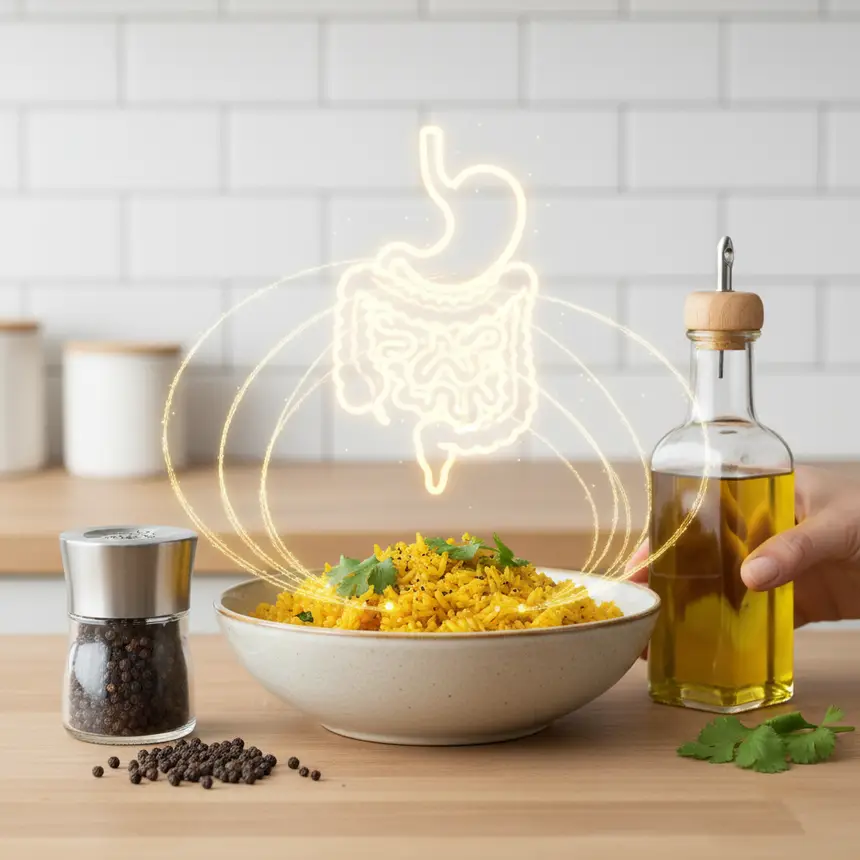
- Pair it with Black Pepper: The piperine compound found in black pepper can substantially increase curcumin's bioavailability. Make it a habit to add a pinch of black pepper when cooking with turmeric, or simply use it as a seasoning at the table. For instance, when adding turmeric powder to vegetable stir-fries or soups, a dash of black pepper can make a difference.
- Cook with Healthy Fats: Curcumin is a fat-soluble compound, meaning its absorption can be enhanced when consumed with healthy fats like olive oil, avocado oil, or coconut oil. When preparing turmeric rice or curries, use a small amount of healthy oil. Adding a spoonful of nut butter to a turmeric-infused smoothie is another excellent way to boost absorption.
- Integrate Naturally into Daily Meals: Turmeric can be easily incorporated in various ways: add a small amount when cooking rice for a golden hue, use it as a spice for chicken or fish dishes, or mix it into warm milk or plant-based beverages to create a 'golden latte.' These methods allow you to increase your curcumin intake without much effort.
※ This post contains affiliate links. I may earn a commission at no extra cost to you.

Building Sustainable Healthy Habits with Curcumin
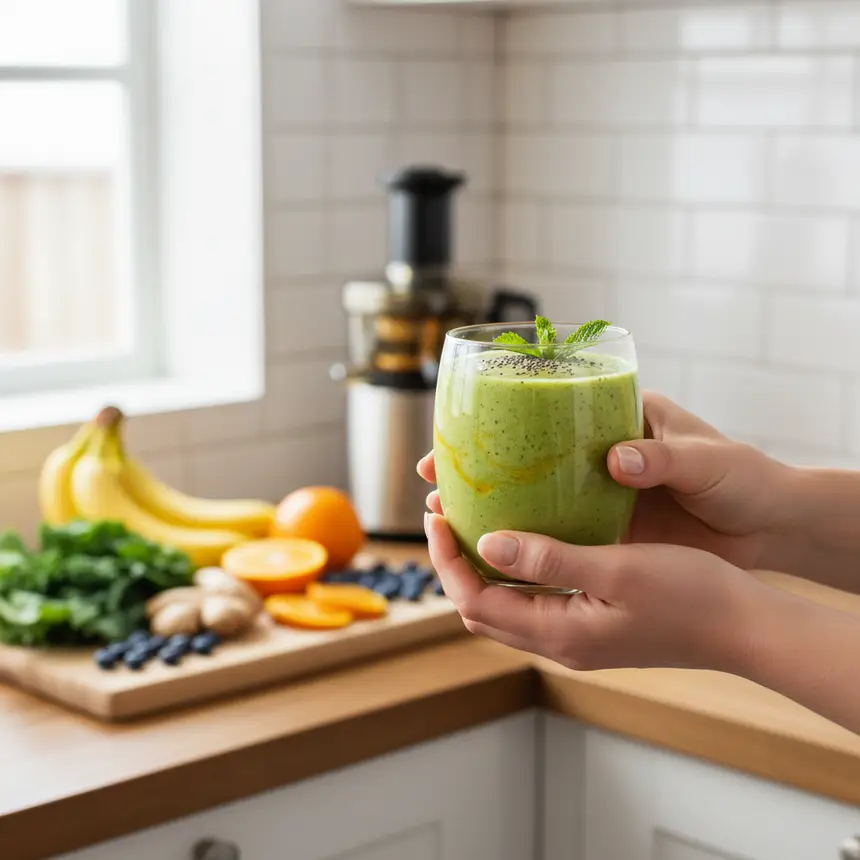
Rather than relying on any single nutrient, it's essential to integrate curcumin consumption as part of an overall healthy lifestyle. In addition to adding turmeric to your diet, practicing the following habits can create a synergistic effect:
- Balanced Diet: Consume plenty of fresh vegetables and fruits, whole grains, lean proteins, and omega-3 rich fish to ensure overall nutritional balance. Curcumin shines even brighter when it plays a supporting role in such a rich diet.
- Regular Physical Activity: From gentle walks to consistent workouts, regular physical activity tailored to your body is essential for promoting circulation and boosting overall vitality.
- Adequate Rest and Hydration: Getting 7-8 hours of quality sleep each night and drinking enough water are fundamental for your body's recovery and maintaining normal functions.
Frequently Asked Questions
Q. Are turmeric and curcumin the same thing?
A. Turmeric is the root of a plant belonging to the ginger family, and curcumin is one of the key active compounds found within turmeric. So, curcumin is a beneficial compound contained within turmeric.
Q. How much curcumin should I consume?
A. There isn't a specific recommended daily allowance when using turmeric as a spice in regular meals. However, if you are taking it in supplement form, it's best to follow the dosage instructions provided on the product label. Consistency with appropriate amounts is more important than excessive intake.
Q. Are there any precautions when consuming curcumin?
A. If you are taking medication for specific conditions (especially anticoagulants), it's important to consult with a healthcare professional before taking curcumin, as there's a possibility of interactions. Pregnant or breastfeeding individuals are also advised to consult their doctor before use.
Q. Can children consume turmeric?
A. Turmeric has been used as a food ingredient for a long time in regions like India. For children, it's generally best to start with small amounts and observe their reaction. Adding small quantities to their meals as a spice is common, rather than providing it in supplement form.