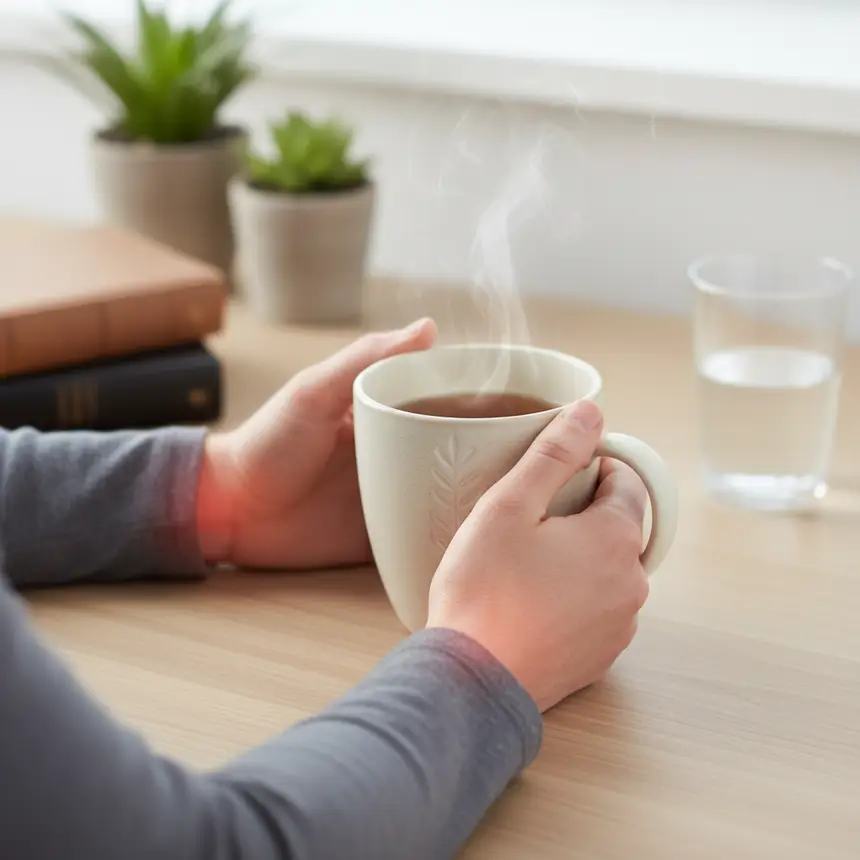
Winter outdoor activities can be fun, but they also carry risks like frostbite and hypothermia. Stay safe and enjoy your winter adventures with essential safety tips and prevention strategies.

The Crisp Winter Air: Hidden Dangers You Might Not Expect
Every winter, countless individuals flock to snowy landscapes and frozen trails to enjoy the great outdoors. The fresh air and beautiful scenery undoubtedly invigorate both body and mind. Yet, sometimes, minor discomforts that are easily overlooked can escalate into serious health issues. Have you ever experienced your hands and feet feeling unusually cold after extended time in the snow, or found yourself shivering uncontrollably and feeling dizzy after what seemed like a simple winter walk? These symptoms aren't just typical cold sensations; they could be warning signals from your body. Winter outdoor activities, while enjoyable, also bring an increased risk of conditions like frostbite and hypothermia, demanding careful attention. What do we need to know to stay healthy through the winter season?
Understanding the Cold's Impact on Your Body: Frostbite and Hypothermia Explained
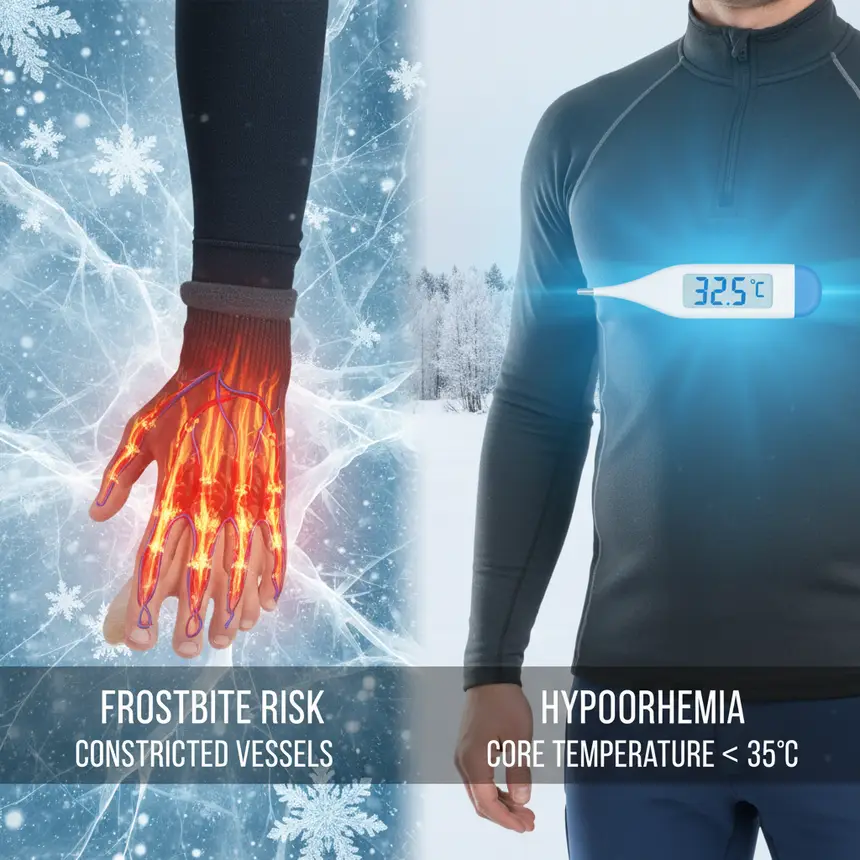
When exposed to cold environments, our bodies instinctively activate various defense mechanisms to maintain core temperature. The first response is often to constrict blood vessels close to the skin to reduce heat loss and generate heat through shivering. If this process is prolonged or severe, circulation becomes compromised, leading to damage in peripheral areas like fingertips, toes, ears, and the nose. This is where frostbite comes in. Frostbite is an injury caused by the freezing of skin tissue. Initially, it manifests as skin discoloration and reduced sensation, but in severe cases, it can lead to blisters or tissue necrosis. Furthermore, if the body's core temperature drops below 95°F (35°C), it's called hypothermia. Hypothermia impairs overall bodily functions and can lead to severe symptoms such as impaired judgment or confusion, requiring serious attention.
※ This post contains affiliate links. I may earn a commission at no extra cost to you.

Practical Steps for Safe Winter Outdoor Adventures
To safely enjoy the beauty of winter, thorough preparation and appropriate responses are crucial. The following practical strategies can effectively reduce the risk of frostbite and hypothermia:
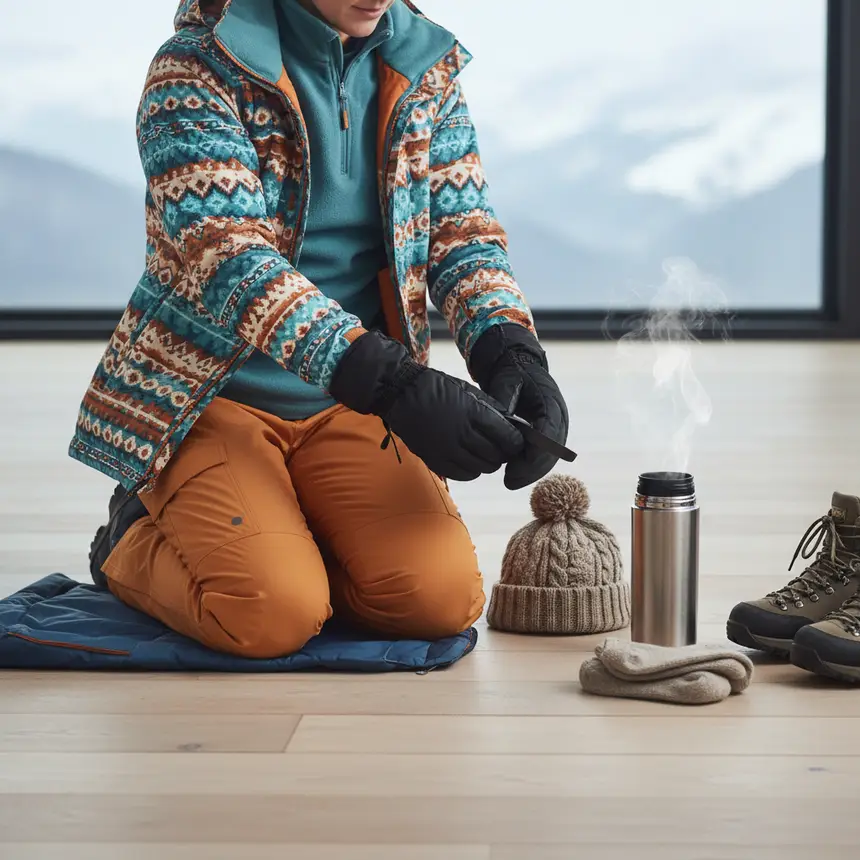
- Layer Your Clothing: Wear multiple thin layers to enhance insulation and allow for easy adjustment as your body temperature changes. Crucially, protect areas prone to significant heat loss like your head, ears, hands, and feet with waterproof and windproof hats, gloves, socks, and footwear.
- Manage During Activity: During prolonged outdoor activities, it's vital to take regular breaks in a warm spot to warm up. Clothes soaked with sweat can rapidly lower your body temperature, so carry dry spares and change immediately if you get sweaty. Also, consistently drink warm water or beverages to maintain hydration and body temperature. While alcohol might temporarily make you feel warmer, it actually impairs your body's ability to regulate temperature, so it should be avoided.
- Initial Response: If you suspect frostbite or hypothermia, immediately move to a warm, wind-protected indoor area. Remove any wet clothing and wrap the entire body in dry blankets or clothes for warmth. For suspected frostbite, immerse the affected area in lukewarm water (100-108°F or 38-42°C) for 20-30 minutes to slowly restore warmth; avoid rubbing or applying sudden intense heat. If a person with hypothermia is conscious, give them warm drinks slowly. If they are unconscious or symptoms are severe, call emergency services immediately for professional medical help.
Embrace Winter's Vitality Safely
Winter outdoor activities offer us fresh air and stunning scenery, contributing to better health by increasing physical activity. However, to fully enjoy these benefits, adequate awareness and preparation for winter hazards like frostbite and hypothermia are essential. It's paramount to pay close attention to the subtle signals your body sends. If you feel anything unusual—such as a tingling sensation in your fingertips or a slight shiver—it's wise to pause your activity and check your condition. With sufficient preparation and smart responses, you can safely enjoy vibrant and healthy outdoor activities even in the cold winter. Good health often begins with a little attentiveness.
Frequently Asked Questions
Q. If I suspect frostbite, should I rub or massage the affected area?
A. No, absolutely not. If you suspect frostbite, you should never rub or massage the affected area, as this can cause further damage to the frozen tissues. It is safest to gradually warm the area by submerging it in lukewarm water.
Q. I heard drinking alcohol helps keep you warm in winter to prevent hypothermia. Is that true?
A. That's a common misconception. While alcohol can make you feel temporarily warm by dilating blood vessels, it actually accelerates heat loss, causing your body temperature to drop further. For preventing hypothermia, it's better to drink warm tea or water instead of alcohol.
Q. Why is it important to wear multiple thin layers of clothing for winter outdoor activities?
A. Wearing multiple thin layers creates insulating air pockets between the layers, which provides superior warmth compared to a single thick garment. This layering also allows you to easily adjust your clothing by adding or removing layers as your body temperature changes during activity.
Q. Are children and seniors more susceptible to frostbite and hypothermia during winter outdoor activities?
A. Yes, they are. Children have less developed thermoregulation systems, and seniors often have reduced ability to maintain body temperature, making them more vulnerable to frostbite and hypothermia. They require extra care and attention during winter outdoor activities.