Explore the importance of essential nutrients like calcium, zinc, and manganese for growing elementary school children. Discover smart strategies to effectively supplement your child's diet and support their healthy development.

H2. Navigating Your Child's Growth: Common Nutritional Concerns for Parents
Every parent shares the same fundamental desire: to see their child grow up healthy and strong. During the elementary school years, when children are experiencing rapid development, ensuring a balanced intake of nutrients is paramount. However, the reality of daily life often makes it challenging to guarantee that a child eats a perfectly balanced diet, especially with picky eaters or fluctuating appetites. Research indicates that a significant number of children in certain age groups may not be meeting their recommended daily intake for essential nutrients like calcium. This nutritional gap can be a major source of concern for parents, as it can potentially impact a child's normal growth and development. This article aims to explore the key nutrients vital for your child's healthy growth and how you can effectively supplement their diet. A crucial first step is to take a closer look at your child's current eating habits and identify any potential areas of nutritional shortfall.
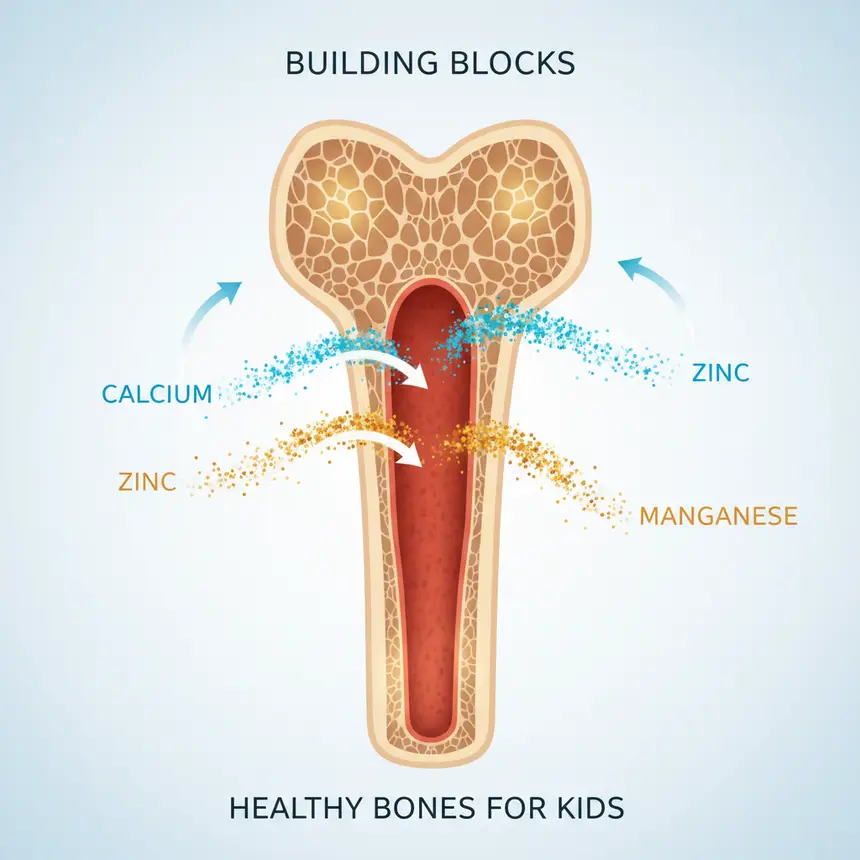
H2. The Vital Roles of Key Nutrients for Bone Health and Immunity
For children to thrive and grow actively, simply consuming enough food isn't sufficient; a consistent supply of core nutrients is critical. Specifically, calcium, zinc, and manganese are indispensable for children during their elementary school years. Calcium is the primary building block for bones and teeth, playing a pivotal role in the skeletal development of growing children. It is essential for forming strong bones and maintaining bone density; a deficiency can hinder proper growth. In fact, for some age groups, supplementing around 30% of the daily recommended calcium intake can be beneficial. Zinc contributes to cell division and immune function, supporting children's growth and development while also helping to defend the body against external challenges. Manganese, finally, is involved in bone formation and energy metabolism, aiding children's active lifestyles and maintaining various bodily functions. If these nutrients are difficult to obtain sufficiently through diet alone, considering a supplement can be a wise choice. When selecting a supplement, it's prudent to look for recognized certifications or quality assurance marks, such as those indicating adherence to Good Manufacturing Practices (GMP). Factors like nutrient bioavailability and a form that your child will readily accept should also be taken into account.
※ This post contains affiliate links. I may earn a commission at no extra cost to you.


H2. Smart Strategies for Consistent Nutrient Intake and Healthy Habits
Even the best nutrients won't yield benefits if they're not consumed consistently. It's crucial to help children take their supplements cheerfully and without resistance. While various forms of nutritional supplements are available, liquid forms are often favored by many children because they can be consumed directly without water and are easy to swallow. Individually packaged stick pouches offer the advantage of portability, making it easy to provide essential nutrients even when on the go. This can be a smart option for busy mornings, ensuring your child doesn't miss out on vital nutrition. To help your child develop the habit of taking supplements independently, try to establish a consistent routine, such as after breakfast or before bedtime. Furthermore, for children who dislike dairy products or have strong food aversions, or those who struggle with pills or powders, liquid supplements can be an excellent alternative. By paying close attention to your child's preferences and finding a flavor and texture they enjoy, you can successfully establish a consistent nutritional routine. Healthy habits like these will positively impact your child's growth and development, contributing to a vibrant and active life.
Frequently Asked Questions
Q. Why is calcium so important for children's growth?
A. Calcium is a crucial mineral that builds strong bones and teeth, forming the foundation of a child's skeleton. During rapid growth periods, sufficient calcium intake is essential for healthy bone development and overall physical growth.
Q. What other nutrients, besides calcium, are important for kids during their elementary school years?
A. Beyond calcium, zinc supports immune function and cell division, while manganese plays a vital role in bone formation and energy metabolism. Vitamin D is also critical for calcium absorption, and protein is essential for muscle and tissue development.
Q. How can I ensure my picky eater gets enough essential nutrients?
A. For picky eaters, supplementing their diet with a high-quality health supplement can help bridge nutritional gaps. It's best to choose supplements in flavors and forms (like liquid or chewables) that your child finds appealing to ensure consistent intake.
Q. Are liquid supplements generally better for children than pills or powders?
A. Liquid supplements can be a great option for children as they are often easy to swallow and don't require water, making them convenient. They can be particularly suitable for kids who have difficulty with pills or dislike the texture of powders. Individually packaged liquid forms also offer hygienic and portable solutions.
Q. What should parents consider when choosing a nutritional supplement for kids?
A. When selecting a children's supplement, look for products with recognized third-party certifications for quality and safety. Verify that it's produced in facilities adhering to strict manufacturing standards, and ensure the nutrient content and dosage are appropriate for your child's age and specific needs.